
Flying a plane is a dream for many, but most people want to know about the airline pilot salary UK before they start. In 2026, the typical pay for a pilot in the United Kingdom stays between £52,000 and £75,000 each year. While new flyers might start on a lower amount near £24,000, very senior captains at the biggest airlines can earn more than £170,000. These stats show that working in the sky is a very well-paid job for those who work hard and stay safe.
This career offers more than just a good monthly pay cheque. Pilots also get to travel the world and see amazing views from their office in the clouds. If you enjoy solving problems and visiting new countries, this could be the perfect path for you to follow.
Why Does an Airline Pilot Salary UK Change Between Companies?
Every airline in the UK has its own way of paying its staff. Some focus on a high basic wage, while others pay more for every hour you spend in the air.
Big airlines that fly all over the world usually offer the highest airline pilot pay in the UK because they have more money and larger planes. Companies like British Airways often pay their senior captains over £160,000 because these pilots look after hundreds of people on very long trips. In contrast, smaller budget airlines might pay a lower basic salary but give pilots more chances to fly every day. This means a pilot at a budget airline can still earn a lot by flying many short trips. Because every company has different rules and flight paths, the total money a pilot takes home can vary by thousands of pounds depending on where they choose to work.
Do Captains Get Paid More Than First Officers?
The Captain is the lead pilot and the person in charge of the entire aircraft. They carry the most responsibility for the safety of every passenger and crew member on board. Because they have the final say in every decision during a flight, they receive the highest rewards in their paycheck.
In most UK airlines, a captain earns a much higher salary than a First Officer, often taking home double the amount of money. While a First Officer is a skilled pilot who acts as the second-in-command and helps fly the plane, the Captain remains the one in charge of the whole mission. This extra pressure and years of experience are the main reasons why the person in the left seat gets paid the most.
When a pilot moves from being a First Officer to a Captain, they often see a huge jump in their earnings. For example, a senior First Officer, the pilot who supports the Captain, might earn around £80,000, but a new Captain at a large airline could start at over £100,000 immediately. As they spend more years as a leader and commander, this gap grows even wider between the two roles.
Highly experienced Captains on long trips across the ocean can eventually earn more than £150,000 every year. This clear difference in pay motivates many younger pilots to study hard and work toward becoming the leader of their own flight crew one day.
How Does Flying Big Planes Change Your Pay?
The size of your aircraft determines your total earnings.
- Small planes for short trips: Flying small planes on short routes usually offers a lower starting salary.
- Giant jets for long trips: Operating massive jets across the ocean brings the highest possible pay.
- Why heavy planes bring more money: Larger planes carry more passengers and require much more technical pilot skill.
A pilot who flies a giant jet across the world earns much more than one who flies small planes. This is because big planes carry hundreds of people and stay in the sky for many hours. Airlines pay extra to the pilots who can manage these heavy machines safely. If you want a top salary, you should aim to fly the biggest jets.
Does Living in a Big City Help Your Earnings?
Living in a large city like London often leads to a higher pilot salary in the UK because of the extra costs of city life. Many airlines give their pilots a special payment called ‘London Weighting’ to help them pay for expensive rent and travel to the airport. For example, a Captain based at a major London airport might earn around £100,000, while a pilot in a smaller regional town might earn a bit less. This extra money makes sure that pilots can afford to live close to where they work, especially in the busiest parts of the country.
However, even though the pay is higher in big cities, your daily life can be more expensive too. Pilots in smaller towns might have lower salaries, but their houses and food often cost much less. This means they might keep more of their money at the end of every month.
What Extra Money Do Pilots Get for Flying?
The basic salary is not the only money a pilot gets. They receive extra payments for their hard work through several different methods.
- Flight Duty Pay: This is extra money for every hour the pilot spends flying in the sky. It rewards those who take on more flights during the month.
- Meal Money: When a pilot stays away from home, the airline gives them cash to buy breakfast, lunch, and dinner. This keeps them well-fed while they travel to new cities.
- Overtime: If a pilot works more hours than usual, they get extra pay for that time. Many airlines offer very high rates for these extra shifts.
- Sector Pay: This is a small bonus paid every time a pilot takes off and lands. Pilots who fly many short trips can earn a lot from this.
These extra payments ensure that a pilot is rewarded for every part of their job. While the base salary stays the same, these bonuses change based on how much the pilot works. Most pilots see their total pay increase by thousands of pounds every year because of these extra rewards. This makes the job even more exciting for people who like to stay busy.
Do Long Flights Pay Better Than Short Ones?
The type of flight a pilot chooses changes the total money they take home at the end of the month. Long flights often pay a higher airline pilot salary in the UK because the planes are larger and the trips are much more demanding. Pilots who fly to faraway places like America or Asia spend many hours in the air and must manage difficult time zone changes. Because these trips require a lot of focus and keep the crew away from their families for several days, airlines provide higher basic pay to reward their hard work.
In contrast, short flights allow pilots to stay closer to home, but the extra payments work differently. Pilots on short routes might complete four or five small trips in a single day, which means they get more “sector pay” for every take-off and landing. However, they do not get the large “overnight allowances” that long-haul pilots receive for staying in expensive hotels abroad. While long-haul pilots usually earn the most money overall, short-haul pilots enjoy the benefit of sleeping in their own beds almost every night.
What Are the Costs of Becoming a Pilot?
Becoming a pilot requires a step-by-step plan and a large amount of money.
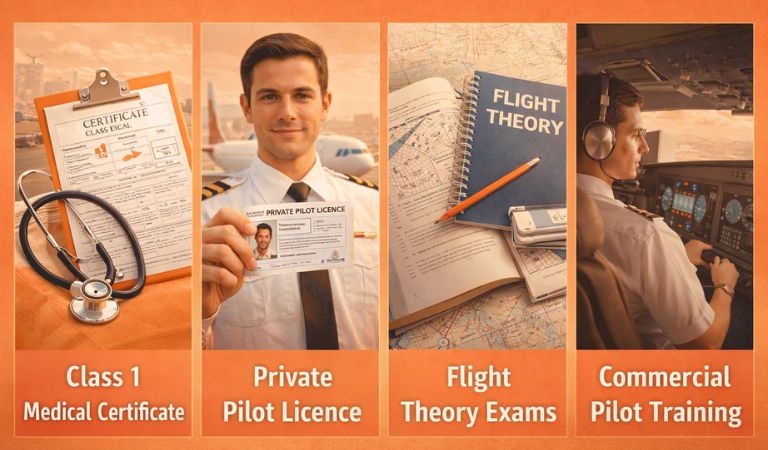
- Class 1 Medical Certificate: You must pay around £600 to prove you are healthy enough to fly.
- Private Pilot Licence: Learning the basics and flying solo costs between £10,000 and £15,000.
- Flight Theory Exams: Buying books and taking the required tests costs about £2,000 to £5,000.
- Commercial Pilot Training: The final stages to fly for airlines cost between £70,000 and £120,000.
The total cost to become a professional pilot is often more than £100,000. This is a very large investment for any student or family. While the price is high, it covers everything from your first lesson to the advanced jet simulators. Most people choose between a fast course or a part-time route to help manage the payments over two years.
Are There Other Benefits Besides the Airline Pilot Salary UK?
Money is not the only reward for flying planes in the UK because airlines offer many extra perks to their staff. These benefits help pilots save for the future and enjoy a better life with their families.
One of the most popular rewards is heavily discounted flight tickets for the pilot and their close family members. This means you can take your parents or children to see famous cities like New York or Paris for a very low price. Additionally, most airlines provide a high-quality pension plan where the company puts extra money into a special account for your retirement.
You also get private health insurance, which ensures you can see a doctor quickly if you feel unwell. Many companies even provide free uniforms and high-quality luggage to make sure you look professional when you arrive at the airport. These extra benefits make the total job package much more valuable than just the basic salary alone.
How Do You Move From a Low Salary to a High One?
To increase your earnings, you must focus on gaining as many flying hours as possible during your first few years. Most airlines use a seniority system, which means your basic pay naturally goes up for every year you stay with the company. You should also study hard to move from a Second Officer to a First Officer, as this rank brings a much better monthly pay cheque. By showing you are a safe and reliable pilot, you will quickly move through the starting levels of your career.
The biggest jump in your salary happens when you earn your command and become a Captain. This process usually takes between five and ten years of dedicated work and extra training sessions. Many pilots also choose to move from small regional airlines to large global companies that fly giant jets on long routes. These bigger planes and longer trips offer the highest rewards in the industry. If you stay committed to your learning, you can eventually reach the top pay scales at the best airlines in the UK.
Final Thoughts
Becoming a pilot is a big journey with many rewards. While the training costs are high, the airline pilot salary UK grows quickly as you gain more experience. Whether you fly big jets or short trips, this career offers a great future in the sky.
If you want to discover more about airline pilot salaries, check our other guide, “Airline Pilot Pay Rates: A Simple UK Career Guide”, and see the real numbers in detail.
Frequently Asked Questions (FAQs)
1. How much do airline pilots get paid in the UK?
- Most pilots in the UK earn between £52,000 and £75,000 every year. New flyers start on a lower amount, near £24,000. However, very senior captains at big airlines can earn more than £170,000.
2. Do pilots make 700k?
- No, pilots in the UK do not earn £700,000. Even the most senior captains at the biggest airlines usually top out around £180,000 to £200,000. High figures like 700k are not common in the airline industry.
3. Is a pilot a millionaire?
- Most pilots are not millionaires. While they earn a very good salary compared to other jobs, they also spend a lot of money on their training. It takes many years of work to save a large amount of wealth.
4. How much does a Jet2 pilot earn?
- A First Officer at Jet2 often earns between £60,000 and £90,000. Captains at this airline have a higher pay scale, with many earning between £130,000 and £170,000 per year.
5. Is 27 too old to be a Pilot?
- No, 27 is a great age to start. Many people begin their flight training in their late twenties or even their thirties. As long as you are healthy and can pass the medical tests, you can start your career.
6. Can I become a Pilot at 30 in the UK?
- Yes, you can certainly become a pilot at 30. Many airlines value older students because they have more life experience. You still have plenty of years left to fly and reach the rank of Captain before you retire.