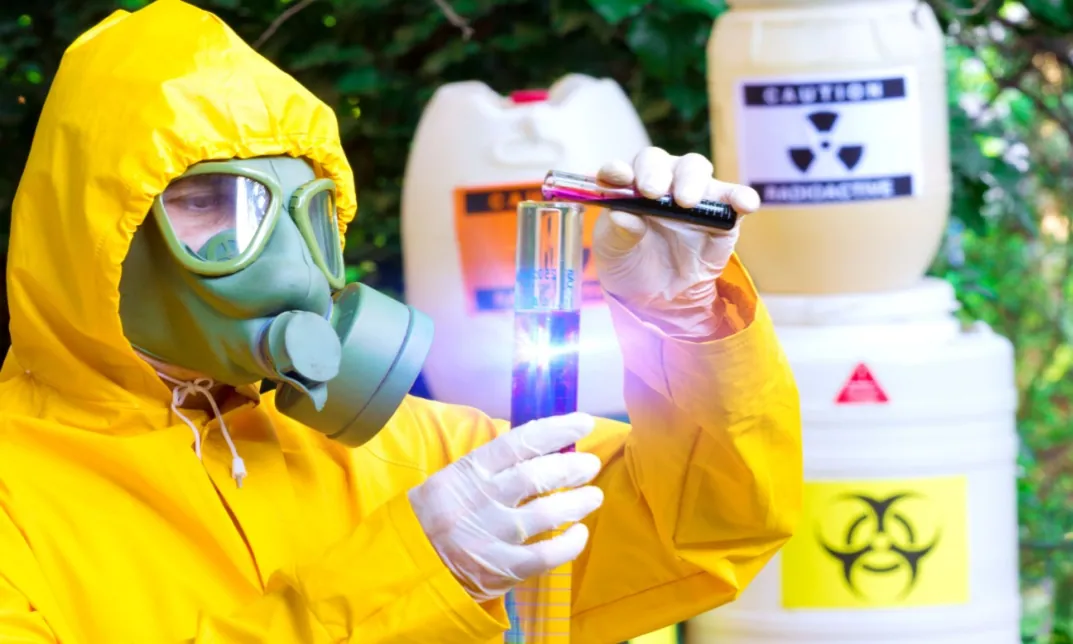
Have you ever wondered what the warning signs on chemical bottles mean? COSHH helps protect UK workers from harmful substances. The Health and Safety Executive (HSE) links around 11,000 lung disease deaths each year to past work exposure. So, knowing COSHH Symbols and Meanings helps workers spot dangers like fire, poisoning and skin burns. These symbols warn people about the risks of chemicals. However, workers must also read product labels and follow safety rules. This helps them use and store chemicals safely.
Read on to learn what each symbol means and how to stay safe at work.
What Are COSHH Symbols and Meanings in the UK?
COSHH stands for Control of Substances Hazardous to Health. It is a UK law that helps protect workers from harmful substances. These include cleaning products, paints, dust and strong chemicals.
COSHH symbols and meanings help workers spot chemical dangers quickly. The symbols appear on product labels and show risks such as fire, poisoning, skin burns or harm to health. For example, a flame symbol warns that a product can catch fire easily.
However the symbols alone do not give all the safety details. Workers must also read the label and check the safety data sheet. Employers must assess risks and give clear safety instructions. This helps everyone handle and store chemicals safely at work.
Why is Understanding COSHH Symbols Important for UK Employees?
Staying safe is the most important part of any job role. The UK government wants to ensure every worker goes home healthy. Understanding these icons is a big part of that safety goal.
Legal Compliance and the HSE
The Health and Safety Executive is the official government watchdog. We often call this group the HSE for short in England. They monitor workplace standards to ensure companies follow the law. If a company ignores COSHH rules they can face huge fines. As an employee, you also have a legal duty to follow signs. By learning the symbols, you help your company stay legally safe.
The Importance of Risk Assessment
Before you start a task, your boss must do a check. This is called a risk assessment in the UK workplace. These symbols inform the “8 Steps of a COSHH Assessment” for everyone.
- List the harmful substances.
- Decide who might be harmed.
- Evaluate the risks of the job.
- Decide what precautions are needed.
- Record your findings in a book.
- Review your assessment every year.
- Provide information and training.
- Plan for emergencies and accidents.
Emergency Response and First Aid
Accidents can happen even when we are being very careful. Knowing a symbol can speed up your response during a fire. If a bottle spills, you need to know if it burns. In a medical emergency, you can tell the doctor the symbol. This information helps medical staff give you the right treatment quickly. It could even save your life or the life of a friend.
How to Interpret COSHH Symbols and Meanings for UK Workplace Safety?
The previous section looked at physical dangers like fire and explosions. This section focuses on health hazards and how they affect your body. Understanding COSHH Symbols and Meanings helps you choose the right protective gear.
Toxic (The Skull and Crossbones)
The skull and crossbones is perhaps the most famous safety symbol. It indicates that a substance is poisonous or even deadly. These chemicals can hurt you if you swallow or touch them. Identifying acute lethality is the main goal of this specific warning. You might feel sick immediately after a very small amount of contact. Because of this, using personal protective equipment (PPE) is absolutely mandatory.
Health Hazard (The Exclamation Mark)
An exclamation mark means you should be cautious and stay alert. This symbol represents “lower-level” risks that are still quite annoying. For example, it might mean the liquid causes itchy skin rashes. It could also mean the fumes cause you to cough often. Many common cleaning products in the UK carry this specific sign. Always wash your hands thoroughly after using any product with this mark.
Serious Health Hazard (The Person with a Star)
This symbol shows a person with a white star on their chest. It warns you about long-term risks that develop over many years. For instance, some chemicals can eventually cause cancer or breathing problems. These are known as carcinogens or respiratory sensitisers in the medical world. You might not feel sick today, but your lungs could suffer. Therefore, using a high-quality face mask is often required for these.
Environmental Hazard (The Dead Tree and Fish)
This icon shows a dead tree and a fish out of water. It means the chemical is very harmful to nature and wildlife. You must never pour these liquids down a regular sink drain. Doing so could poison local rivers or harm the UK soil. Properly disposing of these chemicals is a requirement under UK law. Always use the special chemical waste bins provided by your employer.
What Should You Do if You See a Hazard Sign at Work?
Never assume that a bottle is safe just because it looks familiar. If you see a red diamond, stop and read the label. The picture is just a quick warning for your immediate safety. Often, the label has small text with very specific safety instructions. For example, it might tell you to wear a specific mask. If you are still confused, you must talk to your supervisor. Ask them for the Safety Data Sheet, which is often called an SDS. This document explains exactly how to handle the chemical without any risk.
You must also choose the correct safety gear for the specific hazard. If the symbol shows a corrosive risk, wear thick, long-sleeved gloves. If the symbol warns of fumes, ensure the room has open windows. In addition, always keep the lids on containers when you finish working. Never mix two different chemicals together unless you are told to. Mixing cleaners can sometimes create an invisible gas that is very deadly. Staying alert and asking questions is the mark of a great worker.
How Can You Read COSHH Symbols on Chemical Labels?
Reading COSHH symbols on chemical labels helps you spot dangers and stay safe at work. First, look for the hazard pictogram, which is a black symbol inside a red diamond. It shows the type of risk a chemical may cause, such as fire, burns or poisoning.
Next, check the signal word on the label. “Danger” warns of a more serious hazard, while “Warning” points to a less serious hazard.
You should also read the hazard and precautionary statements. Hazard statements explain the harm a chemical may cause. For example, a label may warn that a product causes skin burns. Precautionary statements tell you how to stay safe. They may advise you to wear gloves or keep the product away from heat.
However, never rely on the symbol alone. Always read the full label before using a chemical. This helps you understand the risks and follow the right safety steps.
You can also check the product’s Safety Data Sheet (SDS) for more details. It explains safe use, storage, first aid and what to do if a spill occurs. If you are unsure, ask your supervisor before using the product.
Which COSHH Symbols Are Common in Cleaning and Construction Jobs?
Cleaning and construction workers often use products that contain harmful chemicals. These include bleach, paint, glue and solvents. COSHH symbols warn workers about risks such as fire, skin burns and harmful fumes. Therefore, workers should learn what each symbol means. This helps them use products safely and protect their health.
Cleaning products may carry a corrosive symbol if they can burn the skin or damage the eyes. Some strong cleaners can cause serious harm if workers use them incorrectly. Also, the flame symbol warns that a product can catch fire easily. This warning is important when using flammable solvents, paints or adhesives.
Construction workers may face other risks. For example, dust from wood, cement or stone can harm the lungs. Paints, glues and solvents may also release harmful fumes. So, workers must follow safety rules and use suitable protective equipment.
Before using any chemical, always check the product label. Read the hazard warnings and follow the safety steps. You should also check the Safety Data Sheet for more details. If a warning is unclear ask your supervisor before using the product.
How Does the UK Law Protect You from Hazardous Substances?
The main law in Britain is the Health and Safety at Work Act. It was created in 1974 to stop people from getting hurt. Under this law, your boss has a very strict legal duty. They must identify every single hazard present in your work area.
Additionally, they must follow the “CLP Regulations” for every product they buy. These regulations ensure that manufacturers put the correct labels on every bottle. Because of this, you will always know what is inside a container.
Your employer must also provide you with free protective equipment, called PPE. This might include thick rubber gloves, safety goggles, or face masks. Furthermore, they must give you proper training on how to use chemicals.
You should never be asked to handle a dangerous liquid alone. In fact, you have the right to refuse unsafe work tasks. British law is designed to put your physical health before company profits. Ultimately these rules ensure a fair and safe environment for every immigrant.
Who Needs to Understand COSHH Meanings at Work?
Anyone who works with or near harmful substances needs to understand COSHH meanings. This includes cleaners, builders, factory staff and healthcare workers. Knowing these symbols helps them spot dangers and avoid harm. It also helps them follow safety rules and protect others at work.
Workers Who Need COSHH Knowledge
Many jobs involve chemicals or other harmful substances. For example:
- Cleaners: They use sprays, bleach and strong cleaning products.
- Builders: They may work with cement, paint, dust and glue.
- Factory staff: They may handle oils, gases and other chemicals.
- Healthcare workers: They may use cleaning fluids and products that can harm the skin.
- Gardeners: They may handle weed killers and other garden chemicals.
Therefore, workers need to know what the symbols mean before using these products.
Employer and Employee Responsibilities
COSHH sets duties for employers and workers to help keep the workplace safe. Employers must check the risks and take steps to control them. They must also give workers clear information, suitable training and the right safety equipment.
Workers must follow safety rules and use the equipment provided. They should also report spills, damaged containers or unsafe work conditions.
The Importance of COSHH Training
COSHH training helps workers spot hazards and handle harmful substances safely. It also teaches them about labels, safe storage, protective equipment and emergency steps.
As a result, workers can make safer choices and reduce the risk of injury or illness. A COSHH training course can help people build this knowledge before handling hazardous substances at work. However, training should match the risks and tasks involved in each job.
Which Red Diamond Hazard Signs Are Most Common in British Workplaces?
You will see the ‘Flammable’ symbol very often in most UK jobs. This shows a simple black flame and means the substance burns easily. However, you might also see a flame over a small circle. This symbol represents an ‘oxidising’ substance, which is slightly different from flammable. Oxidising chemicals provide extra oxygen to a fire, making it much hotter. For instance, some types of bleach can make a small fire explode.
Another common sign is the ‘toxic’ skull and crossbones image. You usually find this on very strong poisons or industrial chemicals. In contrast, the ‘Harmful’ exclamation mark is for less dangerous everyday items. It warns you that a liquid might make your skin feel itchy.
Always look for the ‘Corrosive’ sign on heavy-duty cleaning products as well. This sign shows a liquid pouring onto a hand and a pipe. It means the chemical can eat through your skin very quickly. Finally, the ‘Environmental Hazard’ sign shows a dead fish and a tree. This means you must never pour the liquid into a sink. British drains lead to rivers, and we must protect our local wildlife.
Conclusion on COSHH Symbols and Meanings
Understanding COSHH symbols helps you spot dangers and stay safe at work. These signs warn you about harmful chemicals, fire, skin burns and other risks. So, always read product labels and follow safety rules before using any chemical. To build your knowledge, join our Control of Substances Hazardous to Health (COSHH Training Course). It can help you learn how to spot hazards, handle harmful substances and follow safe work steps. With the right knowledge, you can help protect yourself and others and support a safer workplace.
FAQs About COSHH Symbols and Meanings
1. What does the COSHH symbol stand for?
- COSHH stands for Control of Substances Hazardous to Health. It is a UK regulation that helps protect workers from harmful substances.
2. What are the 7 safety symbols?
- There is no single official set of seven COSHH symbols. Chemical hazard labels use pictograms, while other safety symbols show risks, warnings or required actions.
3. What are the 10 hazard symbols?
- There are not 10 standard GB CLP chemical hazard pictograms. The system uses nine main pictograms to show hazards such as fire, poisoning, corrosion and health risks.
4. What are the 9 pictograms?
The nine main hazard pictograms are:
- Exploding bomb
- Flame
- Flame over circle
- Gas cylinder
- Corrosion
- Skull and crossbones
- Exclamation mark
- Health hazard
- Environmental hazard
5. How many official COSHH symbols are in use today?
- There are nine main GHS/CLP hazard pictograms commonly linked to COSHH in Great Britain. However, COSHH itself does not define a separate set of symbols.
6. What are the three main regulations of COSHH?
- COSHH is one set of regulations, not three separate regulations. Its key requirements include assessing risks, preventing or controlling exposure, and providing suitable information, instruction and training.