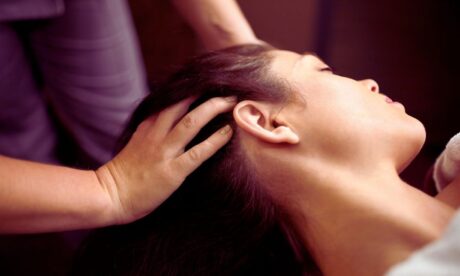
Have you ever thought about turning your interest in health and relaxation into a career? How do you become a massage therapist in the UK? The journey starts with the right training and practical skills. Massage therapists help people relax, ease muscle tension, and manage everyday stress. You do not always need a university degree to enter this career. However, you usually need a recognised qualification and hands-on training. A Level 3 qualification in massage or sports massage can provide a strong foundation. You will learn about anatomy, physiology, massage techniques, safety, and client care.
This guide explains the main steps to becoming a massage therapist. You will also learn about useful skills, qualifications, work settings, and career opportunities.
What Does a Massage Therapist Do?
A massage therapist does more than massage muscles. You work closely with people and help them feel relaxed and comfortable. Each client has different needs, so good listening is very important. Before a massage, you talk to the client about their needs and goals. You may ask about pain, muscle tension, daily habits, or past health problems. This helps you choose the right treatment.
During the session, you use suitable massage techniques. These may include Swedish, deep tissue, or sports massage. You should always work gently and follow safe methods. You also keep simple records about each client and their treatment. These notes can help you understand their needs during future visits. Good hygiene also matters. You need to keep your hands, equipment, and treatment area clean.
After the session, you can give the client simple aftercare advice. You may suggest resting, drinking water, or doing gentle stretches. Most importantly, you should make clients feel safe and respected. A friendly approach can help you build trust and strong relationships with your clients.
How Do You Become a Massage Therapist?
A career in massage therapy can feel rewarding when you enjoy helping other people. You can work closely with clients and help them feel more relaxed and comfortable. However, you need the right skills before you start treating clients. The following steps can help you understand the process.
1. Complete relevant massage therapy training
Start by choosing a recognised massage therapy course. Look for training that includes both theory and practical work. A Level 3 qualification in massage or sports massage can give you a useful starting point.
2. Learn anatomy, physiology, and massage techniques
You need to understand how the human body works. Your course should cover muscles, bones, joints, and basic body systems. You should also learn safe massage techniques and when you should not treat a client.
3. Gain practical experience
Reading about massage is not enough. You need hands-on practice to build confidence. Training courses often include practical sessions where you can practise different techniques. You may also gain experience through supervised work or placements.
4. Choose a massage therapy specialism
Think about the type of clients you want to help. You could specialise in sports massage, Swedish massage, deep tissue massage, or another area. Choosing a specialism can help you develop useful skills for your chosen career path.
5. Get professional insurance
Professional insurance can protect you if a client makes a claim about your work. Check that your policy covers the massage services you provide.
6. Check local registration requirements
Rules can vary across the UK. Some local councils may require massage therapists to register or hold a licence. Therefore, check with your local council before you start working.
7. Start working as a massage therapist
Finally, decide how you want to work. You could join a spa, gym, hotel, clinic, or wellness centre. Alternatively, you could become self-employed and build your own client base.
What Qualifications Do You Need to Become a Massage Therapist?
The right training can help you start your massage career. Many people begin with a Level 3 massage therapy qualification. This course can teach you basic massage skills and body knowledge. You also need to learn anatomy and physiology. This means learning about muscles, bones, joints, and how the body works. This knowledge helps you understand how massage affects the body.
A massage therapy course may cover:
- Massage techniques: Different ways to massage clients safely.
- Anatomy and physiology: Basic knowledge about the human body.
- Practical training: Hands-on practice to build skills and confidence.
- Health and safety: Safe ways to work with clients.
- Hygiene: Keeping hands, equipment, and treatment areas clean.
- First aid: What to do if a client feels unwell or has an accident.
Practical training is very important. You need time to practise with other people before working with clients. This helps you improve your skills and work more safely. Some massage jobs may need extra training. For example, sports massage may require a specialist qualification. Other treatments may also have their own training needs. Requirements can vary between employers and work settings. Therefore, check the course and job requirements before you start your training.
What Skills Do You Need as a Massage Therapist?
Good communication skills are important in this career. You need to explain treatments clearly and answer client questions. You should also listen carefully before starting a treatment. Active listening helps you understand what each client wants. It can also help you notice concerns about pain or discomfort.
You also need patience and kindness. Some clients may feel nervous during their first visit. A calm and friendly manner can help them feel more comfortable. Attention to detail is another useful skill. Every client has different needs. You should notice their comfort and adjust your approach when needed.
Good hand control and coordination also matter. Massage requires careful movements and steady pressure. Regular practice can help you improve these skills. You also need good customer service skills. Treat clients with respect and protect their privacy. Keep clear professional boundaries during every session. Finally, you should be reliable and organised. You may need to manage appointments, client notes, payments, and treatment rooms. These skills can help you give clients a smooth and professional service.
Where Can Massage Therapists Work?
Massage therapists can work in many different places. This gives you plenty of choice as your career grows. You can also change your work setting later if your interests change.
You could work in:
- Spas: Give relaxing treatments to help clients feel calm and refreshed.
- Salons: Offer massage as part of beauty and personal care services.
- Health clubs: Help members relax after exercise or busy days.
- Hotels: Provide massage treatments for guests who want to relax.
- Wellness centres: Help clients improve their general wellbeing and relaxation.
- Private clinics: Work with clients who need support with muscle tension.
- Sports settings: Work with active people, athletes, or sports teams.
- Mobile services: Travel to clients’ homes and provide treatments there.
- Self-employed practices: Run your own service and manage your clients.
Each workplace offers a different experience. A spa may have a quiet and relaxing atmosphere. In contrast, a sports setting can feel busy and active. You may also work with different types of clients. Some people want massage for relaxation. Others may want help after exercise or a busy week. If you enjoy meeting new people, a hotel or spa could suit you. If you like working independently, mobile work may feel more comfortable.
How Long Does It Take to Become a Massage Therapist?
The time can vary based on the course you choose. Some short courses take a few weeks or months. These courses can teach basic massage skills and give you an introduction to the job. Longer qualifications can take several months or more. They often cover more topics, such as anatomy, safety, massage methods, and client care. You also get more time to practise your skills.
Your study method can affect the timeline too. A full-time course may help you finish sooner. A part-time course can take longer. However, part-time study may suit people with jobs or family duties. Practical experience also takes time. You may need extra practice before you feel ready to work with clients. This can help you improve your hand control and confidence.
Remember, finishing a course does not mean you stop learning. Many massage therapists continue learning new techniques throughout their careers. Therefore, choose a course based on your goals, time, and budget. A short course may suit a simple career plan. A longer course may give you broader training and more confidence.
How Much Does It Cost to Train as a Massage Therapist?
Training costs can vary depending on the course, school, location, and level of training. It is useful to compare a few courses before you choose one. In the UK, professional massage therapy training can cost around £900 to £2,000. Short courses may cost less, while advanced courses can cost more. In the US, professional training can cost around $5,000 to $15,000.
A short UK course may cost around £400 to £800. These courses can suit beginners who want to learn basic massage skills. They can also help you decide if this career feels right for you. Professional courses may cost around £900 to £1,600 in the UK. They usually include more training and practical work. Advanced courses can cost around £1,900 to £3,500 and may cover specialist skills.
Remember that course fees may not include everything. You may also need money for books, equipment, insurance, exams, or registration. Always check the full cost before joining a course. This can help you plan your training and avoid unexpected costs.
How Much Does a Massage Therapist Earn in the UK?
A massage therapist in the UK can earn around £25,000 to £33,400 a year. This is about £18 to £25 an hour. However, pay can change from one person to another. Your pay can depend on your experience, location, and type of work. The place where you work can also make a difference.
Average Massage Therapist Pay
New massage therapists may earn around £16,000 to £25,000 a year. Many start work in spas, hotels, clinics, or health centres. With more experience, you may earn around £30,000 to £45,000 or more. Extra skills can also help you earn more.
Some therapists charge by the hour. Rates can range from around £12 to £60 or more. Self-employed therapists can often choose their own prices.
What Can Affect Your Pay?
- Location: Pay can be higher in London and the South East. Self-employed therapists may charge around £30 to £90 an hour. In the Midlands and North, rates may range from £25 to £60. Rural areas may offer around £20 to £50.
- Type of work: Employed therapists may earn £22,000 to £33,000 a year. Self-employed therapists may charge £45 to £75 an hour. However, they must pay for insurance, travel, equipment, and other costs.
Do You Need a Licence to Become a Massage Therapist in the UK?
You do not need one national licence to work as a massage therapist in the UK. However, local rules can change depending on where you work. Some councils may ask you to register or get a licence before you start. The rules may also depend on the type of massage you provide. Certain special treatments may have extra requirements.
Your treatment room must also meet health, safety, and hygiene standards. You should keep your hands, towels, equipment, and work area clean. You should also use safe equipment and give clients a clean and comfortable space.
Some councils may check your premises before you start working. They may also have rules about waste, washing facilities, ventilation, and treatment areas. The rules can differ across England, Scotland, Wales, and Northern Ireland. Therefore, always check the rules in your area. Contact your local council before you start working with clients. Ask about licences, registration, premises rules, and hygiene standards. This can help you avoid problems later.
How Do You Get Massage Therapy Insurance?
Insurance gives you useful protection when you work with clients. It can also give you peace of mind. Even careful therapists can face accidents, complaints, or claims. Professional indemnity insurance can help if a client claims that your treatment or advice caused harm or financial loss. This cover can be useful when a client questions your professional work.
Public liability insurance can help if a client gets hurt or their property gets damaged because of your work. For example, a client could trip inside your treatment room. Before buying a policy, check exactly what it covers. Make sure it covers all the massage treatments you provide. Some policies may exclude certain treatments.
Also check the cover limits, policy conditions, and any training requirements. If you work from home, travel to clients, or rent a treatment room, tell the insurer. Good insurance can help you work with greater confidence and protect your growing business.
Final Thoughts on How Do You Become a Massage Therapist
Starting a career in massage therapy can be an exciting step. If you are asking how do you become a massage therapist, begin with good training and plenty of practice.
A recognised qualification can help you build useful skills and confidence. You should also check local rules and get suitable insurance before working with clients.
Then, you can look for jobs in spas, hotels, clinics, gyms or wellness centres. You could also work for yourself as your experience grows.
If you want to build your massage knowledge first, explore the Massage Therapy Course from Unified Course. It can help you learn key massage techniques, client care and important safety topics.
With care, patience and regular practice, you can build a rewarding career. If you enjoy helping people feel relaxed and comfortable, massage therapy could be a great fit for you.
FAQs
1. How long does it take to qualify as a massage therapist?
It can take a few weeks to several months, depending on the course. Longer courses offer more training and practice.
2. Is it difficult to be a massage therapist?
It can be challenging at first. You need good hand skills, body knowledge, patience, and strong communication skills.
3. What is the quickest way to become a massage therapist?
A short, recognised massage course can be the quickest route. However, make sure it gives you enough practical training for the work you want to do.
4. Do I need a licence to massage in the UK?
There is no single UK-wide massage licence. However, some local councils may require registration or a licence. Check your local council before starting work.
5. How much does a masseuse earn in the UK?
A massage therapist may earn around £25,000 to £33,400 a year. Pay can vary based on experience, location, and type of work.
6. What is a red flag in massage?
A major red flag is a therapist who ignores your consent or makes you feel unsafe. Poor hygiene, unclear prices, and unwanted touching are also warning signs.