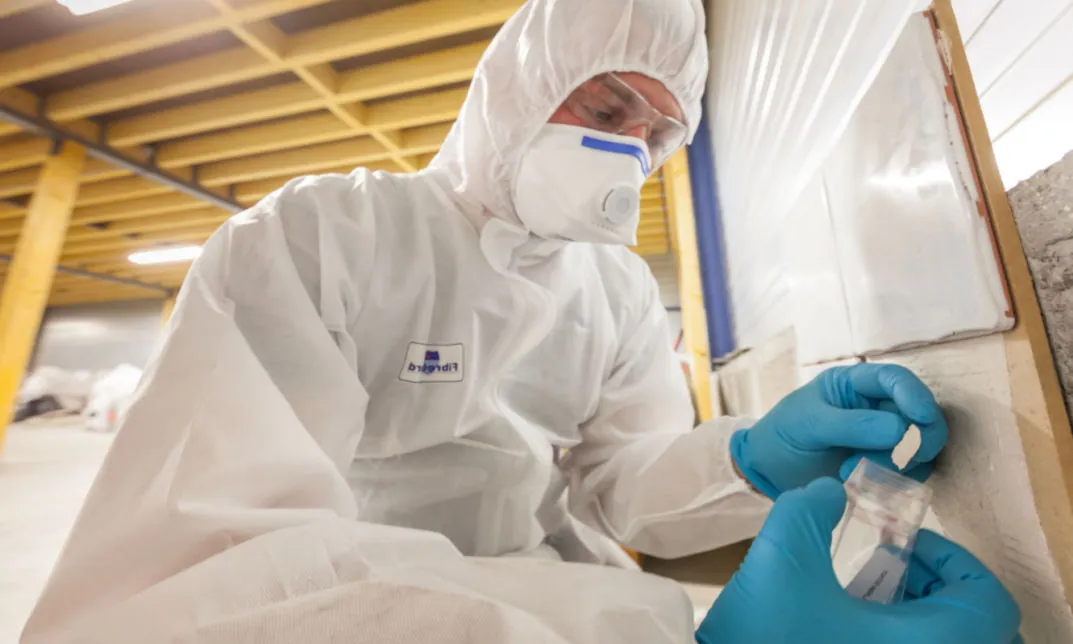
How do you recognise asbestos? It can be hard to tell if a material contains asbestos just by looking at it. Asbestos can look like many other building materials. Only proper testing can confirm if asbestos is present. Older homes and buildings can contain asbestos in different areas. You may find it in old ceilings, walls, floor tiles, pipe coverings, and roof sheets. It can also be hidden under old glue or other materials. If you think a material may contain asbestos, do not touch or damage it. Do not drill, cut, or break it. Instead, ask a trained asbestos professional to check it. This can help keep you and others safe.
What Does Asbestos Look Like?
Asbestos does not have one set look. It can be white, brown, or blue. However, you cannot know if something contains asbestos just by looking at it. Asbestos can mix with other materials. So, it may look like cement, tiles, insulation, or old boards. It can also look smooth, rough, or dusty. This can make it hard to spot.
You may find asbestos in older roofs, walls, ceilings, floors, and pipes. Some old building materials may look normal but still contain asbestos. Damaged asbestos can release tiny fibres into the air. You cannot see these fibres easily. If you breathe them in, they can harm your health. Therefore, do not cut, drill, sand, or break a material that may contain asbestos. If you are unsure, ask a trained professional to check it.
Where Might You Find Asbestos In A Building?
Asbestos can be found in many parts of old buildings. So, it helps to know where you may find it.
- Old homes and buildings: Older buildings may have asbestos in many places.
- Pipe insulation: You may find it around old pipes and boilers.
- Cement sheets and panels: Old garages and sheds may have these sheets.
- Ceiling tiles: Some old ceiling tiles may contain asbestos.
- Textured ceilings: Some old textured coatings may contain asbestos.
- Floor tiles: Old floor tiles and vinyl flooring may contain asbestos.
- Roofs and gutters: Some old roofs, gutters, and panels may contain asbestos.
- Boilers and heating: Asbestos may be found around old heating systems.
- Walls and partitions: Some old wall panels may contain asbestos.
If you think a material contains asbestos, do not touch or damage it. Ask a trained professional to check it instead.
Can You Tell If a Material Contains Asbestos?
You cannot tell for sure if a material contains asbestos by looking at it. Many building materials can look very similar. However, they may contain very different substances. For example, an old ceiling or floor tile may look harmless. Yet, it could contain asbestos. That is why visual checks alone cannot give you a safe answer.
An asbestos survey can help find materials that may contain asbestos. A trained professional can take a sample and ask a lab to test it for asbestos. The test can confirm if asbestos is present. If you find a material that looks suspicious, do not touch or damage it. Do not drill, cut, sand or break it. It is better to stay safe and ask a trained asbestos professional for help.
What Are the Common Signs of Asbestos?
Some signs can make you think about asbestos, especially in an older building. However, these signs cannot confirm that asbestos is present.
- Old building materials: Older homes may have asbestos in walls, floors, ceilings, and roofs.
- Damaged insulation: Old pipe or boiler insulation may look dry, cracked, or brittle.
- Textured coatings: Some old textured ceilings and wall coatings may contain asbestos.
- Cement products: Old cement sheets and panels may sometimes show small fibres or a rough surface.
- Old floor tiles: Some older tiles and floor materials may contain asbestos.
If you notice these signs, do not panic. Just avoid disturbing the material. A trained professional can check it safely.
When Was Asbestos Commonly Used In The UK?
The UK used asbestos in many buildings for many years. It became popular because it could resist heat and fire. It also worked well for insulation. Builders used asbestos in homes, schools, offices, factories, and shops. They used it in roofs, walls, ceilings, floors, pipes, boilers and heating systems.
Asbestos use became a serious health concern. Asbestos could no longer be used in the UK after 1999. However, older buildings can still contain asbestos materials today. Buildings from before 2000 may still have asbestos materials. This does not mean every old building has asbestos. However, you should take extra care when working on an older property. If you find an old material that you do not recognise, leave it alone. Do not drill, cut, or break it. Instead, ask a trained asbestos professional for advice.
How Can You Check For Asbestos Safely?
If you think a material may contain asbestos, stay calm and take care. Do not try to check it yourself.
- Stop work: Stop working on the material at once.
- Keep people away: Keep other people away from the area.
- Do not damage it: Do not drill, cut, sand, scrape, or break it.
- Get expert help: Contact a trained asbestos professional.
- Test the material: A professional can take a sample and send it to a lab.
Following these steps can help keep asbestos fibres out of the air. Never try to remove asbestos on your own. Always get help from someone with the right training.
What Should You Do If You Find Suspected Asbestos?
Finding a material that may contain asbestos can feel scary. However, try to stay calm. The safest thing to do is leave it alone. Do not touch, move, or break the material. Also, stop any DIY work near it. Keep children, pets, and other people away from the area.
Do not sweep or vacuum any dust near the material. This can spread tiny asbestos fibres into the air. You may then breathe them in. Instead, leave the area and contact a qualified asbestos professional. They can check the material and tell you what to do next.
If the material looks damaged, take extra care. Do not try to clean, repair, or remove it yourself. Keep everyone away until an expert checks it. A few simple steps can help keep the risk low. Most importantly, never try to deal with suspected asbestos on your own.
How Do You Recognise Asbestos
You cannot confirm asbestos just by looking at a material. Many old building materials look very similar. So, a visual check cannot give you a sure answer.
A trained asbestos professional can check the material safely. The process may include:
- Professional inspection: A trained person checks the material and the area around it.
- Safe sampling: They may take a small sample from the material.
- Laboratory testing: A suitable laboratory checks the sample for asbestos fibres.
- Clear results: The test can confirm whether the material contains asbestos.
- Safe advice: The professional can explain what you should do next.
Never take an asbestos sample yourself. Cutting or breaking the material can release tiny fibres into the air. You could breathe these fibres in without knowing it. Therefore, always use a competent asbestos professional for testing. If you feel unsure about an old material, it is much safer to ask for help.
Is Asbestos Dangerous If You Do Not Disturb It?
Asbestos can cause serious health problems when you breathe in its fibres. However, asbestos that stays in good condition may pose less risk. The main danger comes when asbestos gets damaged or disturbed. For example, drilling, cutting, sanding, or breaking it can release tiny fibres into the air.
You may not see these fibres. However, you can still breathe them in. That is why you should never disturb a material just to check it. If you think something contains asbestos, leave it alone. If it looks cracked, broken, or damaged, keep people away from it. Then, contact a trained asbestos professional. They can check the material and suggest the safest next step. This can help protect you, your family, and other people nearby.
What Health Problems Can Come From Asbestos?
Asbestos can cause serious health problems when you breathe in its tiny fibres. These fibres can enter your lungs when damaged asbestos releases them into the air.
Asbestos exposure can lead to several serious health problems, including:
- Mesothelioma: This rare cancer affects the lining around the lungs.
- Lung cancer: Asbestos exposure can raise the chance of developing lung cancer.
- Asbestosis: This condition causes scarring in the lungs. It can make breathing harder.
- Long-term lung damage: Asbestos fibres can damage lung tissue over time.
- Breathing problems: Some asbestos-related diseases can make breathing difficult.
The worrying part is that these health problems may not appear quickly. Symptoms can take many years, or even decades, to develop after exposure. So, do not disturb suspected asbestos. You may feel fine after exposure, but health problems can appear much later. If you think asbestos may be present, ask a trained professional for help.
How Can You Avoid Asbestos Exposure?
You can take simple steps to avoid asbestos exposure. First, never disturb a material if you do not know what it contains. Do not drill, cut, sand, scrape, or break old materials that may contain asbestos.
If you find a material that looks suspicious, leave it alone. Do not try to check or remove it yourself. Instead, ask a trained asbestos professional to inspect it. They can test the material and give you safe advice. You should also use professionals for asbestos surveys and removal. They have the right skills, tools, and safety methods for the job.
If you work where asbestos may occur, always follow your workplace asbestos procedures. Your employer should give you clear safety instructions before the work starts. Suitable control measures can also lower the risk. These may include keeping people away and controlling dust. Most importantly, never remove suspected asbestos as a DIY job. It may seem like a quick fix, but it can release harmful fibres. When in doubt, stop work and ask a professional for help.
Final Thoughts
Seeing an old ceiling, floor tile, or pipe covering may not seem worrying at first. But what if it contains asbestos? Knowing how do you recognise asbestos can help you make safer choices. You cannot confirm asbestos by looking at it alone. So, never drill, cut, break, or remove a material that may contain asbestos. Instead, leave it alone and ask a trained professional to check it. If you work around older buildings, asbestos awareness can also protect you and others. An Asbestos Awareness Training Course can help you learn the risks and safer ways to work.
FAQs
1. What colour are the 3 most common asbestos types?
The three main types have different colours:
- Chrysotile: White asbestos
- Amosite: Brown asbestos
- Crocidolite: Blue asbestos
However, colour alone cannot tell you if a material contains asbestos.
2. Is a little bit of asbestos exposure okay?
No. There is no known safe level of asbestos exposure. Even small exposure can cause health risks. So, avoid disturbing suspected asbestos.
3. How do I know if it has asbestos?
You cannot tell by looking at it. A trained asbestos professional can take a sample. A lab can then test the sample and give a clear answer.
4. How much does an asbestos check cost?
The price can vary across the UK. It depends on the property and the type of check. A basic check may cost around £200 to £500.
5. What does 1% asbestos mean?
It means about 1% of the material contains asbestos. Even this small amount needs care. Do not cut or break the material.
6. Is it illegal to bury asbestos in my garden?
Yes, you should never bury asbestos in your garden. It can harm people and the environment. Use a proper waste service for asbestos disposal.