Bricklaying is more than just putting bricks together. It builds the homes we live in, the offices we work in, and the public places we use every day. But the fact is, most of us don’t understand the full role of a bricklayer. We don’t even know how much do bricklayers get paid or what affects their pay. Knowing this can help you plan your career if you want to become a bricklayer.
To give an idea, apprentices usually earn about £11,000 a year. Newly qualified bricklayers can make around £32,000. Employed bricklayers often earn close to £40,000. Those who run their own business can earn between £56,000 and £59,000 a year. Pay also changes depending on where you work. London and the South East usually pay more than other areas. By understanding these figures, you can set clear expectations and make smarter career decisions.
Now, let’s dive in and take a closer look at the whole picture of bricklayer pay UK.
Average Wage for a Bricklayer UK
The average pay for bricklayer is totally based on your experience, skills, and the type of work you do. For example, apprentices usually earn around £11,063 a year. Next, newly qualified bricklayers can make about £31,942. Employed bricklayers often earn close to £40,102 a year.
If you run your own business as a sole trader, you could earn around £56,052. Ltd company owners often earn the most, about £59,002 a year. Also, where you work makes a difference. London and the South East usually pay more than other areas. This means your pay grows with your skills, experience, and the types of projects you take.
How Much Do Bricklayers Earn by Experience
Wages for bricklayers are influenced by your experience, just like other jobs. To start, apprentices usually earn around £6.30 an hour, which is about £50 a day. Next, newly qualified bricklayers can make £18.19 an hour, or roughly £145 a day. Employed bricklayers often earn a little more. The number is around £19.28 an hour, about £154 a day.
After that, being a self-employed bricklayer can pay around £38 an hour, or £304 a day. Ltd company owners usually earn the highest figures, around £40 an hour or £320 a day. Also, where you work and the kind of projects you take can significantly impact your bricklaying pay rates.
How Much Do Bricklayers Get Paid Per Brick
Some brickis get paid for each brick instead of by the hour or day. This can be a great way to earn more, primarily if you work quickly or take on special projects.
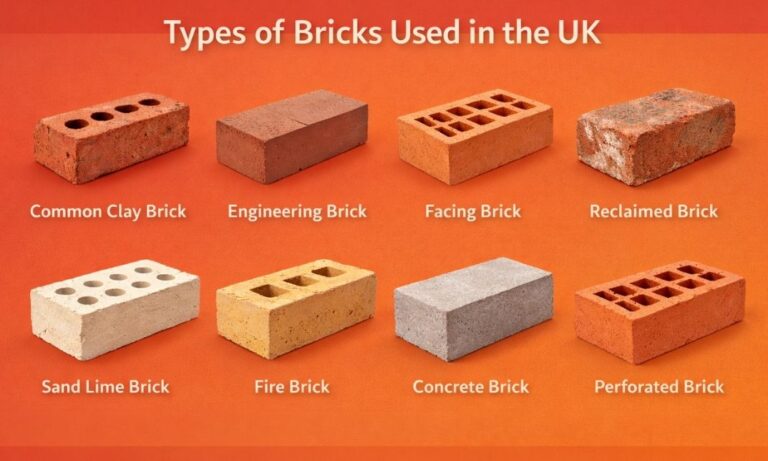
When it comes to pay per brick, standard bricks usually earn between £650 and £1,500 for 1,000 bricks. Engineering bricks can pay a little more, about £650 to £1,790 per 1,000. Facing bricks are the most valuable and can bring in £2,260 up to £5,000 for 1,000 bricks. On a typical day, a bricklayer can lay around 500 bricks. This helps you see clearly how much you could earn each day, depending on the type of bricks and the work you do.
If you are finding the answer of how much money do bricklayers make per brick UK or do bricklayers get paid by the brick, these numbers give you a transparent idea.
Factors Affecting Bricklaying Wages UK
Here’s what affects how much does bricklayer earn:
- Location: Bricklayers in London and the South East usually earn more, while pay in other areas can be lower. Big cities have more building projects, and the cost of living is higher, so wages are higher too.
- Type of work: Pay depends on the kind of jobs you do. Whether it’s home renovations, new builds, commercial projects, or heritage work, some jobs pay more because they need extra skills or care.
- Complexity: Harder jobs, like building arches, adding decorative patterns, or using eco-friendly methods, usually earn more. The more skill and effort a job needs, the better the pay.
- Employment type: Your pay can also change depending on whether you work for a company or run your own business. Self-employed bricklayers can earn more, but they also pay for tools, insurance and other expenses.
Self-Employed vs Employed Bricklayer Earnings
Employed Bricklayers
Working for a company gives you steady pay, holidays, and support. At the same time, you don’t need to buy tools, pay for insurance, or handle paperwork. This makes life easier and helps you know exactly what you will earn each month. Employed bricklayers earn around £40,102 per year, which is roughly £19.28 an hour or £154.24 a day. The downside is less freedom because you usually cannot pick your projects or decide your rates.
Self-Employed Bricklayers
Running your own business can earn you more money, but it comes with extra responsibilities. You must pay for your own tools, insurance, van, fuel, marketing, accountant, PPE, and training. Even after these costs, your take-home pay can be good.
- Sole trader: £37,589
- Ltd company owner: £38,830
At the same time, being self-employed gives you control. You choose the projects, set your rates, and decide how much you want to earn.
Now it’s easier to see the path that can get you higher pay and better opportunities.
Ways to Boost Your Bricklayer Pay
Here are some practical ways to increase your earnings and get the most from your work.
- Learn new skills: Take on heritage work, decorative designs, or eco-friendly projects to earn more.
- Get certificates: NVQs and other qualifications show your skills and help you charge higher rates.
- Price your work smartly: Make sure your quotes cover your time and effort so you get paid fairly.
- Find more clients: Promote your services, offer extra work, and take innovative opportunities to increase your income.
Regional Pay Differences for Bricklayers in the UK
Where a brickie works matters most in how much does bricklayers get paid. Here’s a quick look at the main regions:
- London & South East: These areas offer the highest rates, but the cost of living is also higher.
- Birmingham & Manchester: You can find steady work on new builds and regular projects.
- Scotland, Wales, Northern Ireland: Pay varies depending on the city and the type of project.
As you can see, bricklayers in London and the South East can earn around £45,000–£50,000 a year, which is higher than most other areas. In Birmingham and Manchester, pay is a little lower, about £38,000–£42,000 a year, but work is steady and reliable. In Scotland, Wales, and Northern Ireland, most bricklayers earn between £30,000 and £40,000 a year, depending on the city and type of project. This shows clearly that where you work can make a big difference to how much you earn, so it’s worth thinking carefully about location when planning your career.
Tools, Costs, and Job Readiness for Bricklayers
If you want to achieve a good income as a brickie, you need more than skills. First, you need the right tools. Self-employed bricklayers need trowels, spirit levels, scaffolding and mortar boards. You also need safety gear like helmets, gloves and bright clothing. A reliable van or car helps you reach every job on time. You can also use simple software to keep quotes, invoices and schedules in order.
Next, you need to think about costs. Insurance, tools, and software take some money from your earnings. However, they are important. They keep you safe, help your work run smoothly and let you do every job well.
Being ready makes a big difference. You can take bigger jobs, set fair prices and earn more money. How well you prepare and plan will change how much you can make as a bricklayer.
Final Thoughts on Bricklaying Price Work
So, how much do bricklayers get paid in the UK? Now you know the answer. It depends on your experience, where you work, and the type of jobs you do. Apprentices earn around £11,000 a year. Employed bricklayers make about £40,000. Self-employed bricklayers or business owners can earn up to £59,000. Some bricklayers also get paid per brick. For 1,000 bricks, the pay can be between £650 and £5,000 depending on the type.
Next, a few things can change how much you earn. Location plays a big role and London and the South East usually pay more. At the same time, if you specialise in heritage, decorative, or eco-friendly work, you can earn higher rates. Your experience and skills also make a noticeable difference.
Finally, keep learning and improving your skills. CPD, certificates, and training help you get better jobs and work faster. This way, the more prepared and skilled you are, the more money you can make as a bricklayer.
FAQs
How much do bricklayers get paid in the UK?
- It depends on experience. Apprentices earn about £11,000 a year. Employed bricklayers make around £40,000, and business owners can earn up to £59,000.
How much should I pay a bricklayer per day?
- Daily rates vary. Apprentices earn roughly £50 a day. Experienced bricklayers can make £154 a day while self-employed pros earn £304–£320 a day.
Do bricklayers get good money?
- Yes, pay grows with experience and skills. Self-employed bricklayers with extra skills or certifications can earn very well.
Do bricklayers get paid per brick?
- Some do. For 1,000 bricks, common bricks pay £650–£1,500. Engineering bricks can earn £650–£1,790 and facing bricks up to £5,000.
Can you lay 1,000 bricks a day?
- Not usually. Most bricklayers lay about 500 bricks a day, depending on skill and project type.
Can bricklayers make 100k a year?
- It’s possible but rare. You’d need your own business, top skills, and steady, high-paying projects.
Is bricklaying hard?
- Yes, it’s physical work and needs skill. But with practice, you can become faster and more efficient.