
Are you interested in knowing how to become a plumber in the UK? Then you are on the right track. If you want a hands-on job that feels useful every single day, plumbing is a great choice.
This guide will show you the main routes, skills, training, and qualifications you need. You’ll also see how long it takes, pay, and first job options. For example, a Level 3 Plumbing & Domestic Heating apprenticeship usually takes 48 months to finish before the end-point assessment (Skills England). You must follow the legal rules. To work with gas, you need to be on the Gas Safe Register. Water and hot-water work often needs a Water Regulations course and G3 (unvented) certification. Plumbers earn a median of £38,100 a year (~£19.54/hour), giving a clear idea of starting pay.
Let’s take a closer look at what it takes to become a plumber and how to start safely, so you learn the trade well and stay protected on the job.
What Does a Plumber Do?
A plumber’s day feels busy, hands-on, and rewarding. In homes and small sites, plumbers work with water, heat, and drainage systems that people use every day. The job includes many clear, steady tasks that keep everything safe and working well. Here are the main plumber duties UK in simple words:
- Install and fix cold and hot water systems in houses.
- Set up and repair home heating systems, including radiators and boilers.
- Keep drainage systems working so waste water moves out safely.
- Handle modern home tech, such as heat pumps and solar thermal units.
- Measure pipes carefully before fitting them.
- Cut, bend, and shape metal and plastic pipes to the right size.
- Join pipes tightly so they do not leak.
- Check systems for issues and sort problems fast.
All these tasks fit together to form real plumbing and domestic heating work that keeps homes warm, clean, and comfortable.
How to Become a Plumber?
To be a good plumber, you need a mix of practical and people skills, including:
- Mechanical skills – handle tools and work with pipes confidently.
- Safe working – follow health and safety rules at all times.
- Basic electrical awareness – understand controls and simple circuits.
- Fault finding – identify and fix problems quickly.
- Customer service and communication – explain work clearly to clients.
- Numeracy – measure and fit pipes accurately.
- Attention to detail – ensure work is precise and high quality.
These skills make plumbing work rewarding and keep everyone safe.
Training Options for New Plumbers
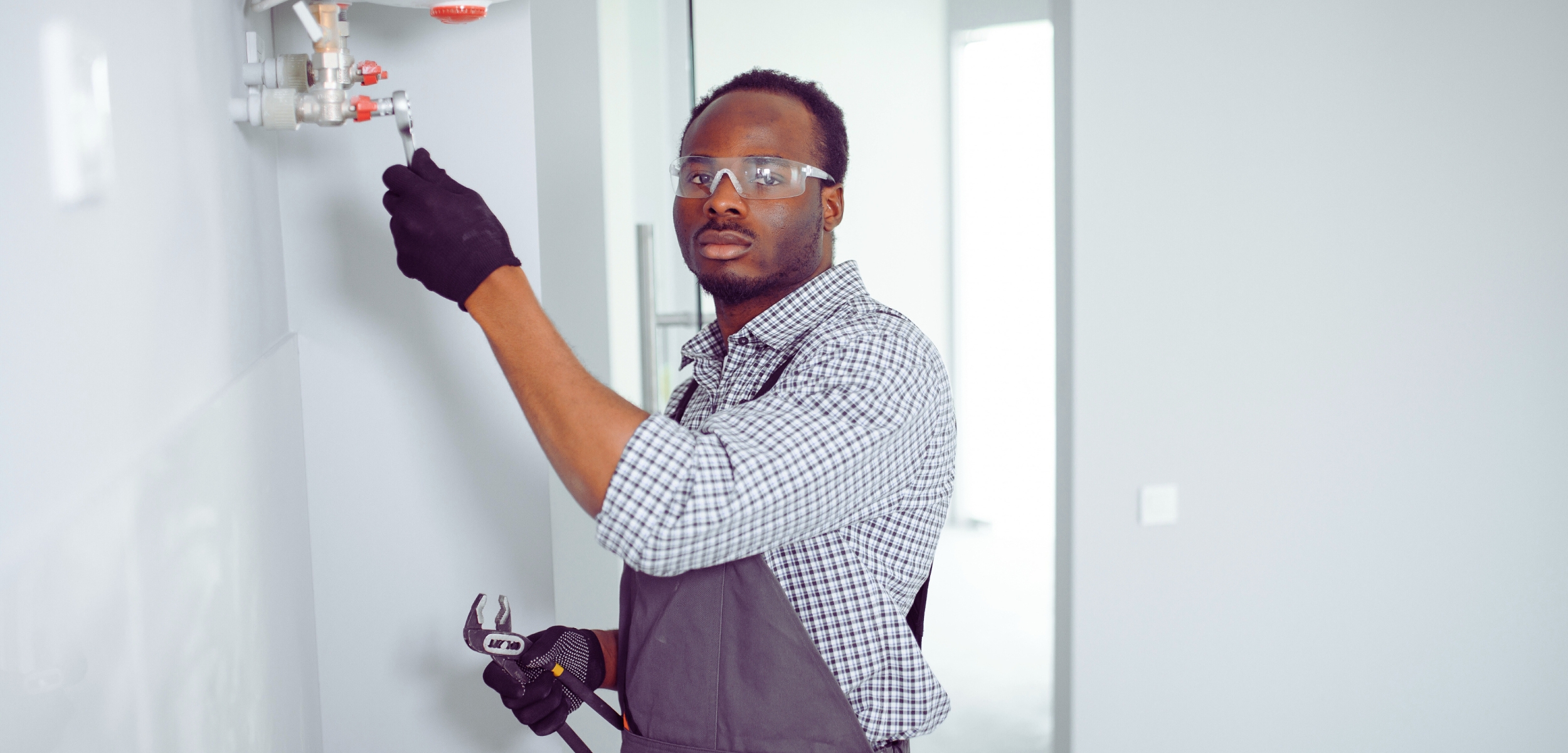
If you want to start a plumbing career, there are two main plumbing training routes in the UK. Each has its own way to learn and grow, so you can pick what suits you best.
- Apprenticeship (Level 3)
This is a great choice if you like learning while earning. You work for a company, get real on-site experience and also do off-the-job training. The full apprenticeship usually takes about 48 months before you reach the final assessment. It’s hands-on, keeps you busy, and helps you build real confidence as a plumber. - College Route
If you prefer studying first, you can start with Level 1–2 plumbing courses at college. Then you progress to Level 3 plumbing, where you gather on-site evidence and practical skills to reach full competence. This route gives a clear step-by-step path while still letting you get real work experience.
Both paths combine learning and practice. Whether you choose college vs an apprenticeship, you gain the skills, knowledge, and confidence needed to start a rewarding plumbing career.
Plumbing Apprenticeships Explained
The main apprenticeship today is the Plumbing & Domestic Heating Technician (Level 3). You can choose options like Natural Gas, Environmental Technologies, or other special areas. Most apprenticeships take about 48 months to complete before the end-point assessment (EPA). During this time, you learn on the job and gain real experience fixing and installing plumbing systems.
Entry requirements depend on the employer, but most ask for English and maths at Level 2. Apprentices usually spend one day a week at college to study theory and practise skills. For example, City & Guilds offers courses to support your learning.
This apprenticeship is practical and hands-on. You earn while you learn, gain confidence, and get ready for a real plumbing career. By the end, you can work independently and take pride in your skills.
Plumbing Courses for Beginners
If you are just starting, there are clear courses to help you learn the basics:
- City & Guilds 6035 (Plumbing Craft) Level 1–2 – teaches basic skills like fitting pipes, using tools, and understanding water and heating systems.
- Level 3 NVQ or Diploma – courses such as 6189, 9189, or 9289 help you reach full competence. This includes on-site work to show your skills in real plumbing jobs.
- Hands-on practice – courses give real experience and build confidence.
- Career ready – Level 3 prepares you for skilled roles and working safely with customers.
- Qualification reminder – Level 1–2 alone does not make you fully qualified; Level 3 with on-site evidence is required for most skilled jobs.
These courses guide you step by step, helping you start a rewarding plumbing career.
Do You Need Qualifications to Be a Plumber?

Yes, qualifications are very important if you want a career in plumbing. They show employers that you are skilled, safe and ready for real work. Here’s what you typically need:
- Level 3 Plumbing & Domestic Heating qualification – Required for full competence in most plumbing jobs.
- Gas Safe Register – Legally required to work on gas appliances and systems.
- WRAS Water Regulations certificate – Shows you understand water safety rules and standards.
- G3 unvented hot water qualification – Needed for working with certain hot-water systems.
Having these plumbing qualifications UK:
- Keeps you and others safe on the job.
- Makes you more attractive to employers.
- Opens doors to better pay and skilled roles.
- Gives confidence to work on homes, small sites, and modern heating systems.
With the right certificates, you can start a trusted, long-term career in plumbing.
How Long Does It Take to Become a Plumber?
Many people wonder how long to become a plumber in the UK. The answer depends on the route you choose, but here are realistic timelines.
- Apprenticeship route – Most Level 3 Plumbing & Domestic Heating apprenticeships take around 48 months to reach the gateway for the end-point assessment (EPA). This lets you earn while you learn and gain real hands-on experience.
- College + site experience – If you start with Level 1–2 plumbing courses at college and then gather on-site evidence for Level 3, expect 2–4 years to reach full competence. The exact time depends on how quickly you gain practical experience.
Getting Experience as a New Plumber
Getting hands-on plumbing work experience is key to becoming a skilled plumber. Here’s how to start:
- Join a plumbing firm – Look for entry-level or assistant roles on sites where you can learn from experienced plumbers.
- Keep an on-site portfolio – Log every job you do. This shows your skills and progress when applying for higher roles or certifications.
- Work under supervision – For gas or unvented systems, always work with a qualified plumber until you are fully certified.
- Complete industry cards – Finishing standard training links to CSCS plumber cards and the JIB PMES Gold Card, which prove your competence on sites.
By following these steps, you gain real skills, build confidence, and prepare for a strong, safe, and trusted career in plumbing.
Starting Work as a Plumber
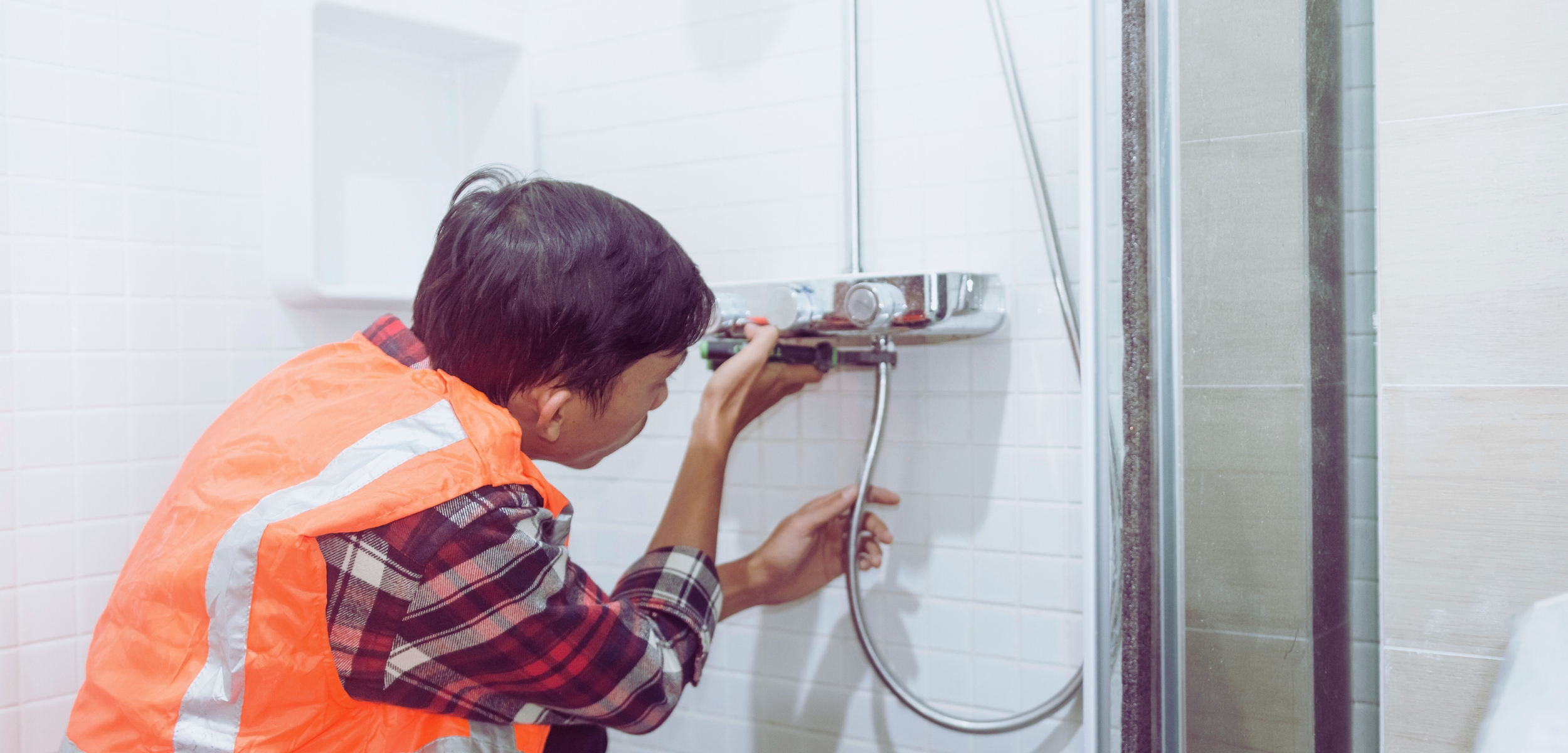
When you finish training, you have a few options for your plumber’s first job. Each path has its own benefits, so choose what fits you best.
- Employed plumber – Working for a company gives a steady stream of work, mentoring from experienced plumbers, and often a clear career path. Many apprentices continue with their training employer for their first jobs.
- Self-employed/sole trader – You can set your own day rates and choose your jobs. You must handle your own insurance, tools, and compliance, such as keeping your Gas Safe registration renewed if you work with gas. Local contractors or small businesses are often a good starting point.
Understanding the employed vs self-employed plumber life helps you plan your career. Both paths let you gain experience, earn money, and build a trusted reputation in the plumbing trade.
How Much Do Plumbers Earn?
Many people want to know about a plumber’s salary UK before starting. On average, plumbers and heating/ventilating installers (SOC 5315) earn about £38,100 a year, which is around £19.54 per hour for a 37.5-hour week. This is the official “going rate” from the Home Office.
In real life, pay can be a bit higher or lower. Recent data shows plumbing and heating engineers often earn close to £40,000 a year, depending on their location, experience, and type of work.
Other things can affect pay, too:
- Working in cities usually pays more than in smaller towns.
- Specialising in gas, renewable energy, or unvented systems can increase earnings.
- Self-employed plumbers can set day rates, but must cover insurance, tools, and compliance.
Final Thoughts on Becoming a Plumber
Becoming a plumber in the UK is a great choice if you like hands-on work and helping people every day. You can learn through an apprenticeship or college courses. Getting the right skills and certificates, like Gas Safe and WRAS, is very important. Gaining real experience on job will make you confident and skilled. Plumbers earn good pay, have steady work, and can even run their own business. With practice and training, you can have a long, safe, and trusted career in plumbing.
FAQ
Do Plumbers Earn Good Money?
Plumbers can earn good money. Beginners usually make around $30,000–$40,000 a year. Experienced plumbers can earn $50,000–$80,000 or more. Pay can change depending on skills, location, and type of work.
Quickest Way to Become a Plumber
The fastest way is to join a registered apprenticeship with a licensed plumber. You can find programs through local unions, government schemes, or master plumbers. Apprentices earn money while learning on the job and in class.
Can Plumbers Make £100k a Year in the UK?
Yes, self-employed plumbers can earn a lot. They can charge up to £90 per hour, about £1,000 per week. With long hours and 24-hour services, they could make £100,000 a year.
Is Plumbing a Stressful Career?
Plumbing can be stressful. Jobs may have tight deadlines and hard work sites. Emergency problems, like a burst pipe at 2 AM, can be very challenging.
How Can I Become a Plumber with No Experience?
If you have no experience, start a Level 3 Advanced Apprenticeship. You can train as a Plumbing and Domestic Heating Technician or a Building Services Engineering Craftsperson.
How to Become a Plumber?
Start a plumbing apprenticeship or college course, gain skills, get certified, and gain work experience.