
What is a transport manager and what does a transport manager do? Transport managers mainly help prevent accidents and delays in logistics and transport. Primarily, they ensure drivers and vehicles comply with the law, remain safe, and operate properly. For example, they check driver’s licences, watch driving hours, and keep cars in good condition. But the main question is: how to become a transport manager in the UK?
The way to start is simple. You need the Certificate of Professional Competence (CPC) to show you can manage drivers and fleets safely and legally. On top of this, the right skills, training and experience are essential. As a result, this position provides decent pay, security, and career progression in logistics, operations, or consultancy. With the proper preparation, you can have a career that pays well and is respected.
Now, let’s dive in and see what is transportation management system and how you can become one.
What is a Transport Manager?
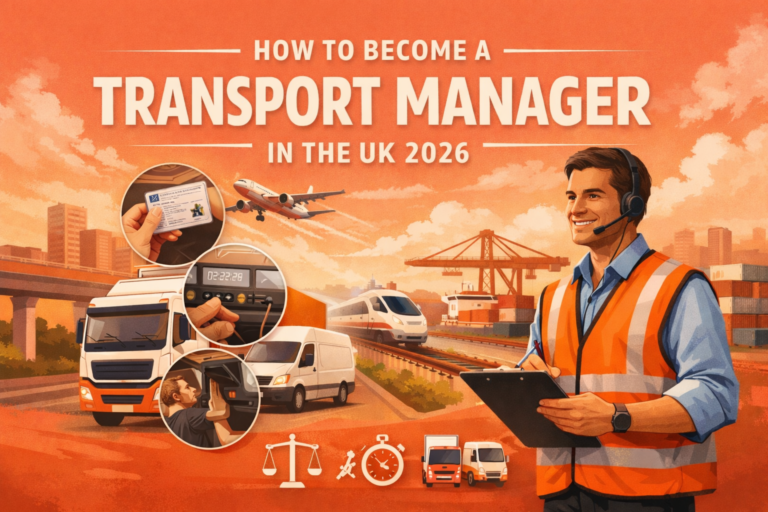
A transport manager is the person who ensures drivers and vehicles operate safely, follow the law, and run smoothly. In simple terms, they keep a fleet organised and help the business comply with UK transport rules. For that reason, every company with commercial vehicles needs a transport manager to ensure compliance with safety and legal requirements.
There are two main types of transport managers. Internal managers work full-time for one company and only look after that company’s fleet. On the other hand, external managers work as freelancers and can manage fleets for several companies at the same time. Both types must have the CPC qualification. However, external managers usually have more responsibilities and handle different operations at once.
Transport Manager Job Responsibilities
- Keep vehicles safe: Check trucks and vans are roadworthy, insured, taxed, and in good condition.
- Look after drivers: Monitor working hours, rest breaks, and safe driving. Provide training when needed.
- Follow the law: Make sure the company follows UK transport rules and environmental standards.
- Plan routes and deliveries: Schedule trips, organise routes, and keep deliveries on time.
- Keep records: Maintain logs of vehicles, drivers, and incidents. Report to the Traffic Commissioner when required.
- Manage costs: Watch expenses, fuel use and reduce waste to save money.
- Lead the team: Guide drivers, check performance, and keep everyone safe and productive.
- Use smart tools: Apply transportation management solutions to make operations faster and easier.
Why Businesses Need a Transport Manager
How a transport manager protects the business:
- Follow the law: A transport manager makes sure the company meets all Operator Licence (O-Licence) rules.
- Keep vehicles safe: They check that all trucks and vans are insured, taxed, and in good condition.
- Take care of drivers: They watch working hours, rest breaks, and make sure drivers are safe.
- Run operations smoothly: With good planning and transportation management solutions, deliveries happen on time.
- Avoid problems: They help prevent fines, licence issues, and accidents.
- Support the business: By handling transport manager responsibilities, they protect the company, staff, and the public.
Key Qualities and Skills of a Successful Transport Manager
To handle transport manager responsibilities well, you need to be a strong leader and a clear communicator. For example, you guide drivers, organise your team, and explain instructions in a simple way. You must also pay attention to details and manage your time carefully. This helps keep schedules on track, check vehicles, and avoid fines or delays.
Problem-solving and quick decision-making are very important. Things can go wrong, like route changes or vehicle issues, and you must act fast. You should also know basic IT and how to use transportation management solutions (TMS) and spreadsheets. These abilities keep fleets safe and schedules on time.
Transport Manager Certification and Courses
To become a transport manager, you need the Certificate of Professional Competence (CPC). This shows you can manage drivers and vehicles safely and follow UK law. Even though the certificate lasts for life, taking refresher courses helps you keep your skills and knowledge up to date.
There are two main types of CPC courses. Road Haulage CPC is for trucks and goods vehicles. Passenger Transport CPC is for buses, coaches and public transport. Both courses prepare you to handle transport manager roles and responsibilities confidently.
Next, you can choose how to study. Classroom courses let you learn directly from teachers and ask questions. Transport manager course online puts you in control of when and how you study. Both teach the skills you need to manage drivers, follow rules and keep operations safe and smooth.
How to Become a Transport Manager Step-by-Step
Step 1: Choose Your Learning Method
First, decide how you want to learn. Classroom courses let you meet teachers and ask questions directly. Online courses let you study from home at your own rhythm. Both ways teach you everything you need for the CPC exams and the skills to manage drivers and vehicles safely.
Step 2: Register and Prepare for the CPC Exams
Next, sign up for your CPC exams. These tests cover managing drivers, vehicles, and following UK transport rules. Use your course materials and practice papers to get ready. This helps you feel confident before the exam.
Step 3: Pass the Exams and Get Your CPC
After preparation, take the exams and pass both parts. Once you succeed, you will get your Certificate of Professional Competence (CPC). This certificate shows you can manage a fleet safely, legally and professionally.
Step 4: Apply for the TM1 Form
Finally, fill out the TM1 form to be added officially as a transport manager on a company’s Operator Licence. After approval, you can start managing drivers, vehicles and deliveries. This lets you run operations safely and keep everything on track.
Legal and Regulatory Requirements
Here’s what the law expects from every transport manager:
- Your record matters: A clean background is essential. Serious offences can stop someone from working as a transport manager.
- Money management is important: Transport costs must be handled properly to run operations smoothly. This helps protect drivers, vehicles, and the public.
- Knowledge of the law is essential: UK transport rules, safety laws, and environmental regulations must be clearly understood.
- Safety always comes first: Driver hours rules and vehicle safety standards must be followed at all times.
- Environmental care matters: Fuel use, emissions, and waste must be managed correctly to reduce harm.
- Rule-breaking has serious results: Poor compliance can lead to fines, licence loss, or a temporary or permanent ban from the role.
Transport Manager Pay in the UK
Transport managers in the UK earn good money, and pay increases with experience. At the start, most people earn around £30,000 a year. As you gain experience, salaries can go up to £58,000 or more. Entry-level jobs usually pay between £28,000 and £35,000, while senior roles can reach £45,000 to £60,000+. So, the more you learn and manage bigger fleets, the more you earn.
Location also makes a big difference. London generally pays more, with salaries around £40,000 to £50,000+. Some busy areas pay even higher. For example, Falkirk can offer up to £62,500 while Wembley pays £48,425 and East London pays £47,261. Having a CPC qualification and working for large logistics companies can also increase your pay. In short, being a transport manager gives you good money, steady growth and strong job security in the UK.
Working Hours and Daily Routine
A transport manager’s working hours depend on the fleet size and type of role. For example, internal managers usually work normal hours for one company. But external managers can have irregular hours because they manage fleets for several companies at the same time.
Their daily routine is all about keeping things running safely and on time. This means planning routes, checking vehicles, tracking driver hours, and making sure safety rules are followed. At the same time, good scheduling helps prevent delays and keeps drivers and vehicles safe. So, transport managers must stay organised and ready to handle any unexpected problems. Shortly, their day is busy but every task helps the fleet run smoothly and safely.
Using Transportation Management Systems (TMS)
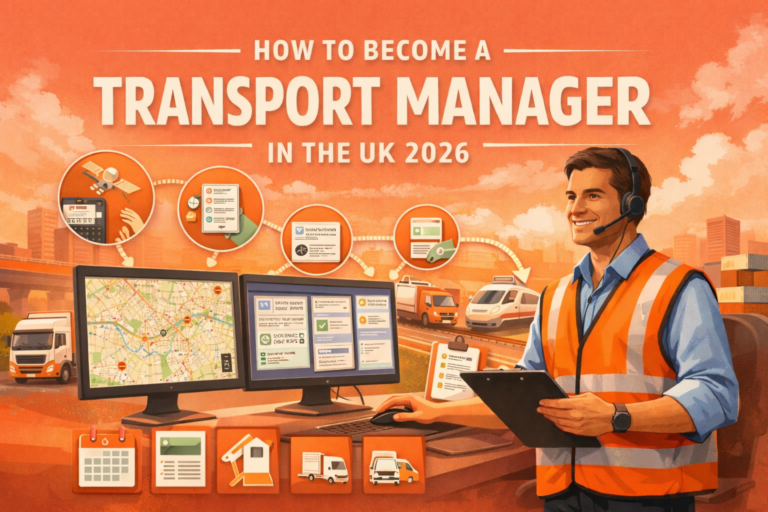
A Transportation Management System (TMS) is a digital tool that makes managing a fleet easier and more organised. For example, it helps managers track vehicles, check drivers and follow rules all in one place. Without it, keeping everything on time can be stressful and confusing.
With a TMS, managers can see where every vehicle is and check driver hours. It also keeps important information about fuel, routes and vehicle maintenance. This helps managers make quick decisions and avoid delays or problems.
On top of that, a TMS links scheduling and reporting. Routes can be planned automatically, drivers assigned, and reports created quickly for the company or the Traffic Commissioner. In short, a TMS keeps fleets safe, deliveries on time, and drivers on track, making the manager’s job easier, faster and more reliable.
How to Get Your First Transport Manager Job
Here are the key steps to get started
- Make your CV count: Show your skills in planning, following rules, and using computers. This tells employers you can manage vehicles and drivers safely.
- Use any experience: Even small jobs matter. Show you can organise work, solve problems, and work with people.
- Write a strong cover letter: Be clear and honest. Explain why you want this job and why you are a good fit.
- Prepare for the interview: Use real examples to answer questions. Explain what you did, how you did it, and the result. This shows you can handle the work.
- Make a good first impression: A clear CV, good cover letter, and confident interview answers can help you get your first transport manager job.
Final Thoughts on Becoming a Transport Manager
So, how to become a transport manager? First, learn the rules and know your responsibilities. Next, complete your CPC certificate. Then, apply for the job and start managing drivers and vehicles safely. This way, you can get good pay, steady work, and chances to grow. For example, you can move up to operations manager, depot manager, or even start your own transport business.
Also, the transport industry changes all the time. New rules, safety standards, and technology come regularly. That is why you should keep learning. Staying updated helps you stay confident and ready for challenges. By focusing on learning and taking action, you will reach new heights.
Frequently Asked Questions (FAQs)
1. What does it take to be a transport manager?
- You need to be organised, responsible, and good at planning. You also need to know UK transport rules and keep drivers and vehicles safe.
2. How do you become a transport manager?
- First, learn about transport management. Then take a CPC course and pass the exams. Finally, get your name on an Operator Licence, and you are ready to work.
3. How long is the transport manager course?
- It usually takes a few weeks. Online courses are flexible, so you can learn at your own pace.
4. Is the transport manager exam hard?
- It is not easy, but not impossible. The exam checks your knowledge of rules, safety and managing vehicles. With practice, most people pass.
5. How much is a transport manager course?
- It depends on the provider, but most courses cost between £400 and £700.
6. Is CPC harder than CCS?
- CPC is about real transport work and safety. CCS is more theoretical. CPC can feel harder if you are new to transport.
7. How many pass the CPC exam first try?
- Many people pass the first time if they prepare well. Practice and understanding the rules make a big difference.