
If you want to know how to become electrician, pick a route that makes you skilled, certified, and ready for work—without wasting time. Start with a Level 3 apprenticeship if you’re new, or the Experienced Worker NVQ if you already have experience. Make sure to learn the 18th Edition (BS 7671) and plan for the AM2/AM2S assessment from the start.
A typical apprenticeship usually takes about 48 months, so keep building your on-site portfolio along the way. This way, you’ll be fully prepared for your final assessment. The good news? Once qualified, electricians in the UK earn a median salary of around £38.8k a year, which is about £18 an hour. That effort truly pays off!
How to Become Electrician the Smart Way
Follow a clear path to get skilled, qualified, and ready for work:
- Level 3 Apprenticeship – Choose the Installation & Maintenance Electrician route if you are new. It usually takes about 48 months and includes the AM2S assessment.
- Experienced Worker Route – If you have around 5+ years of experience but no NVQ, take the C&G 2346 Experienced Worker route. Get NVQ Level 3 + AM2E and then apply for the ECS Gold Card.
- Courses and Fees – The 18th Edition (C&G 2382-22) course costs about £288–£558, and the AM2S assessment fee is around £935. Plan your budget.
- ECS Gold Card – Aim for the ECS Installation Electrician Gold Card. It proves your skills with NVQ Level 3 + BS 7671 + AM2 and helps you get jobs.
This way, you build your skills step by step and show employers you are ready to work. To learn more about the full process and timing, check out Unified Course’s “How long does it take to become an electrician in the UK?” It’s a clear guide to planning your career step by step.
What Does an Electrician Do?
Electricians do many jobs to keep homes and workplaces safe and working. Their tasks include:
- Install and maintain electrical systems – Work on homes, offices, and factories.
- Test and check work – Make sure everything meets BS 7671 standards.
- Fix problems – Find and repair electrical faults.
- Work with new technology – Install EV chargers and solar panels.
- Do regular inspections – Carry out EICRs and other safety checks.
- Gold Card electricians – Can work alone and sign off their own work, showing they are fully skilled.
What Skills Do You Need?
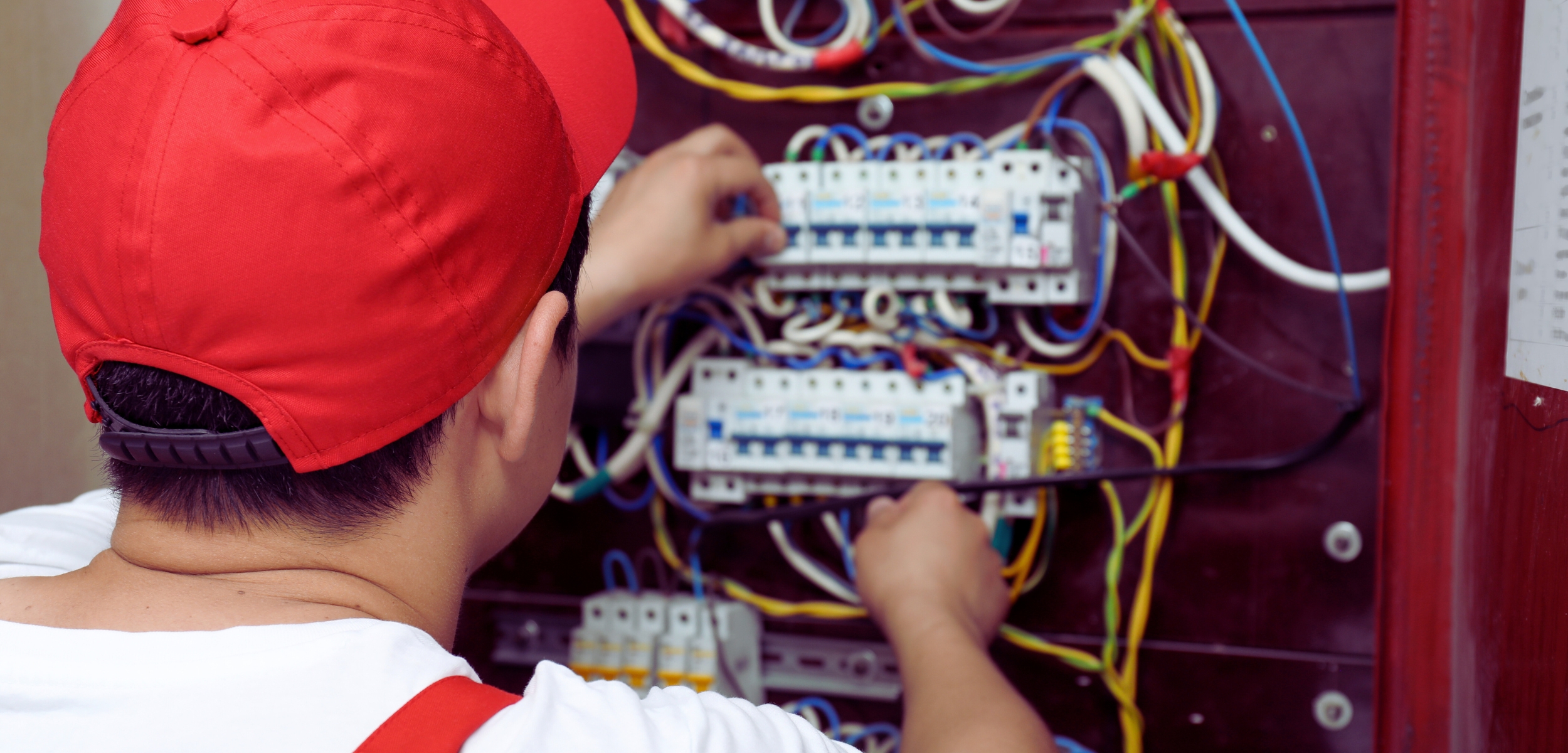
To do well as an electrician, you need a mix of practical and everyday skills. And don’t worry — you build these step by step. First, you need core skills. This includes working safely, using the right wiring methods, checking your work, reading simple drawings, and filling out paperwork correctly. These skills help you stay safe and do the job the right way.
Then, there are transferable skills. Things like basic maths for cable sizing, solving problems when something doesn’t work, noticing small details, and talking clearly with customers. These skills make your day easier and help people trust your work.
As you grow, you can learn progression skills too. This includes advanced inspection and testing, and getting better at finding tricky faults. These higher-level skills make you more confident and open the door to better jobs. Step by step, your skills grow — and with each new skill, you feel more ready for the job.
What’s the Smartest Way to Start?
Starting your career as an electrician is exciting, but it’s important to plan carefully. Here’s how to do it step by step:
- Find a Level 3 Apprenticeship – Look for employers who offer clear off-the-job training and a structured path to complete the AM2S assessment. This route helps you gain real skills while getting paid.
- Consider an Alternative Route – If you cannot get an apprenticeship straight away, start with a recognised diploma. Then, find an employer who can guide you through your on-site NVQ. This keeps your progress moving.
- Organise Your Evidence Early – From day one, collect photos, test results and RAMS. Link them to NVQ units. Doing this early prevents last-minute stress before your AM2 assessment.
- Stay Consistent – Regularly update your portfolio and ask for feedback. This shows employers your commitment and helps you improve your skills faster.
By following these steps, you can start confidently, stay organised, and reach your goal of becoming a qualified electrician more easily.
Apprenticeship or Course — Which Is Best?
Choosing the right start is important. Here’s a clear comparison:
Apprenticeship (Level 3, ST0189)
- Earn while you learn – get paid while gaining real experience.
- Duration – usually about 48 months.
- Assessment – finishes with AM2S end-point assessment.
- Recognition – highly respected by employers and gives long-term credibility.
- Hands-on experience – work on real jobs from day one.
College or Private Diploma
- Focus – mainly theory and classroom learning.
- Assessment – you still need on-site NVQ evidence and AM2/AM2E to get the Gold Card.
- Experience – less practical work on real sites.
- Time & cost – can be quicker, but you may need extra work to reach full qualification.
Eventually, Apprenticeships give real work experience, pay, and recognition, while courses teach theory but need extra steps for full qualification.
What Qualifications Do You Need?
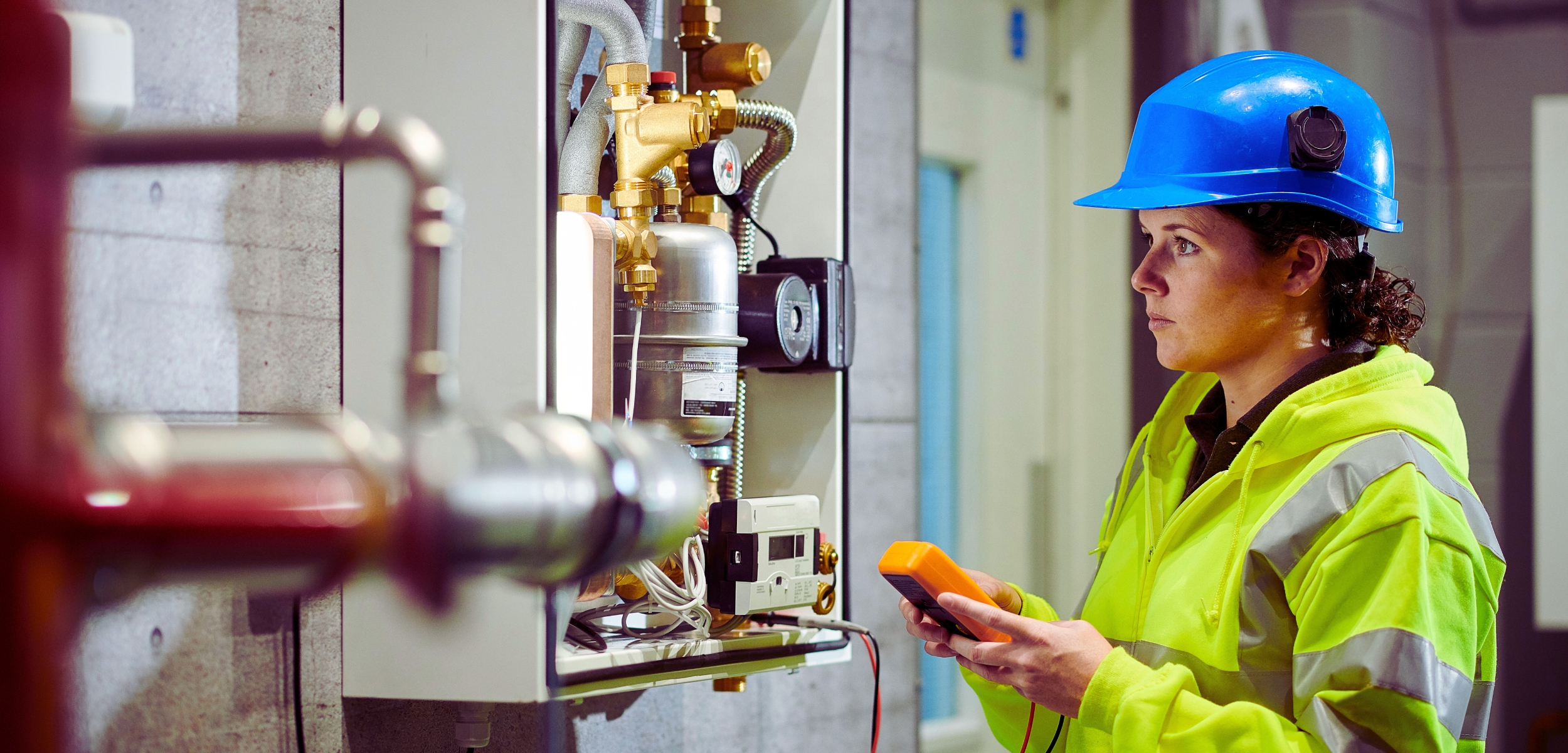
To become a fully qualified Installation Electrician, you need a few main things:
- NVQ Level 3 – Shows you can do the job safely and correctly.
- 18th Edition (C&G 2382-22) – Teaches the rules for electrical work.
- AM2 / AM2S / AM2E assessment – Checks your practical skills.
- ECS Gold Card – You get this after finishing the above. It proves you are skilled and trusted.
To move up to Approved Electrician or JIB grading, you also need:
- Inspection & Testing (C&G 2391-52) – Learn more advanced checking and testing.
- Work experience after qualifying – Get more practice to meet industry rules.
These qualifications help you get better jobs, earn more, and show employers you are ready.
How Do You Get Experience?
First, try to find an employer who can support you. This part can feel tough, but once you get someone willing to guide you, everything becomes easier. A good employer helps you learn, gives you real jobs to practise on, and supports your NVQ journey.
As you start working, save every bit of evidence. Take photos of your installs, keep copies of test sheets, and note down any faults you fix. Even small jobs matter. All these pieces show that you can do real electrical work, and they will help a lot when you build your portfolio. Using a digital e-portfolio is a big help. It keeps all your work in one tidy place, so nothing gets lost. Watching your progress build up over time also gives you a real boost and keeps you motivated.
And finally, book your assessor visits early. This keeps you on track and stops things from piling up later. Regular visits also give you feedback, so you can improve faster and feel more confident. Step by step, you build real experience — and that experience is what brings you closer to becoming a fully qualified electrician.
How Much Does Training Cost?
Training for electricians costs different amounts depending on the course and assessment:
18th Edition (C&G 2382-22)
- Classroom course: Around £288–£558 including VAT.
- Exam only: From about £168.
AM2 Assessments (2025/26 fees)
- AM2: About £860
- AM2S: About £935
- AM2E: Between £935 and £1,300, depending on the centre.
It can seem expensive, but these courses help you get a good job and earn well once qualified.
How Much Can Electricians Earn?
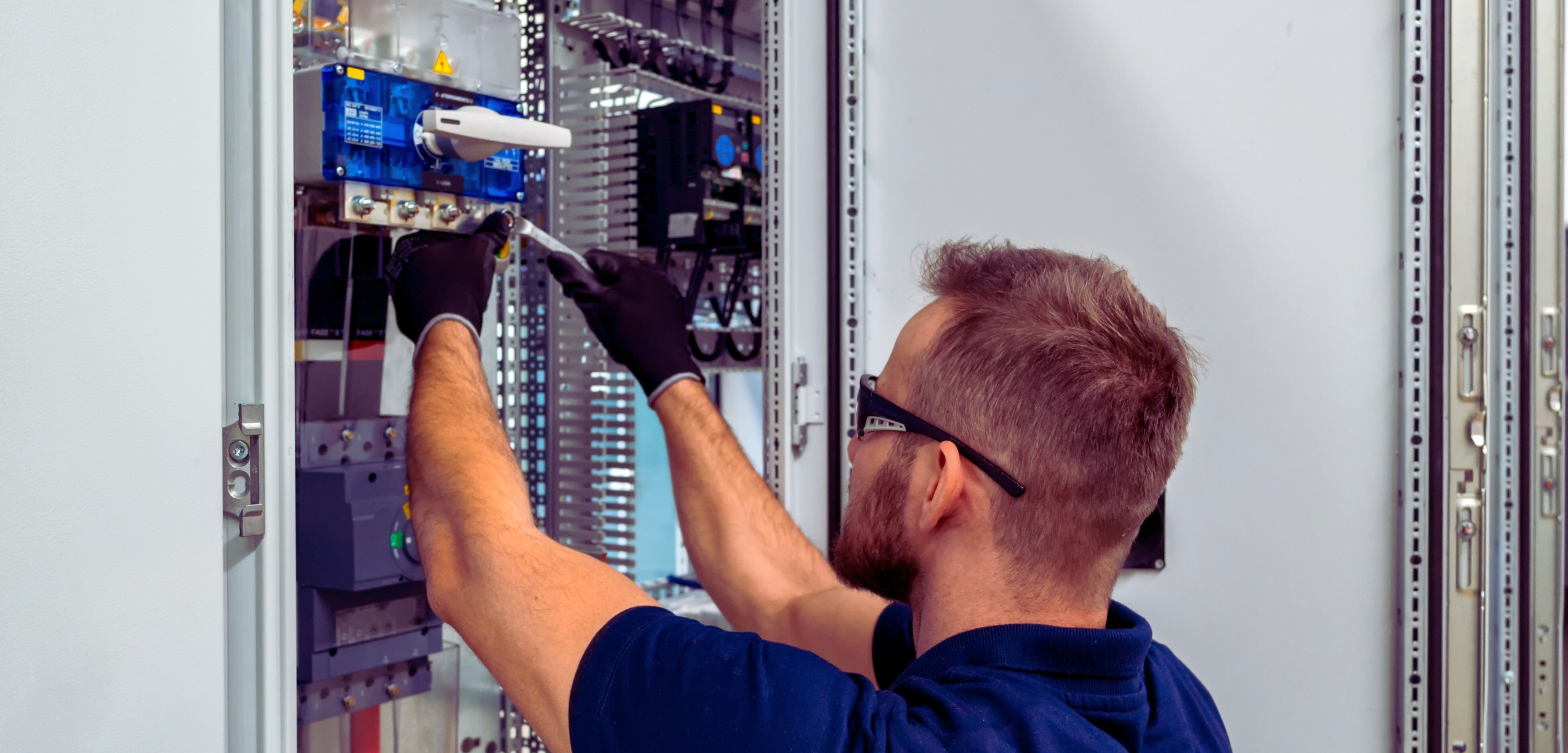
Electricians can earn a good salary, but it depends on experience and location. Here’s a simple guide:
- Median pay in the UK – Around £38,760 per year (about £18 per hour) for full-time electricians.
- Higher pay areas – London and some other regions usually pay more.
- Experience matters – The more skills and qualifications you have, the higher your pay can be.
Overall, becoming an electrician is a smart career choice because you can earn well and grow over time.
Final Thought
Becoming an electrician is a smart move when you follow the right path. Start with solid training, collect real on-site experience, and plan early for your AM2 assessment. Whether you choose an apprenticeship or take the Experienced Worker route, each step builds your skills and confidence. With the right qualifications, you can earn well, work safely, and open doors to better jobs. In the end, the effort pays off, and you set yourself up for a strong, reliable career.
FAQ
Can electricians make 70k a year?
Yes, some electricians can make £70k a year. New electricians usually earn around £19k–£22k.
As you get more experience and skills, your pay can rise a lot. Some experienced electricians reach about £70k a year.
Do electricians earn good money?
Yes, electricians earn good money. Your pay depends on your experience, where you work, and the type of jobs you do.
What is an electrician’s salary in the UK?
The average electrician in the UK earns about £33,636 a year. This is higher than last year’s average of £32,540.
What is the disadvantage of being an electrician?
One disadvantage is that the work can be risky. Electricians must be careful because they can face shocks, burns, cuts, or falls if safety rules are not followed.
Why is electricity one of the largest job site killers?
Electricity is very dangerous on job sites. Workers can get shocks, burns, or fall, which can cause serious injuries or even death.