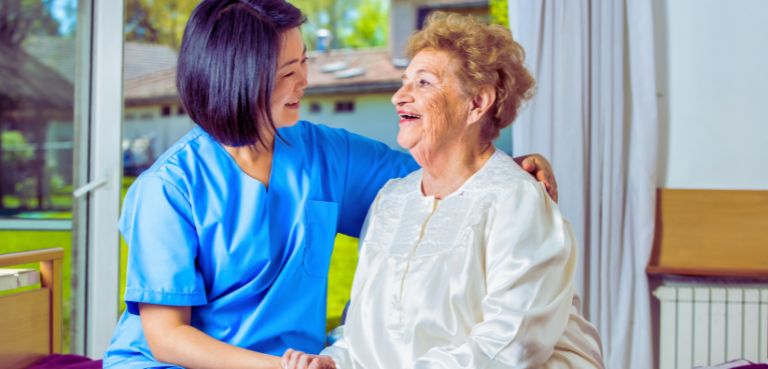
Protection health and social care means keeping people safe from harm, abuse, neglect, and danger. It helps protect children, older people, adults at risk and anyone who needs care and support. It also respects each person’s rights, privacy, and dignity. Every care worker should help create a safe place where people feel secure and respected.
Protection is important because it helps prevent harm and gives people the care they need. It also helps build trust between care workers and the people they support. Key parts of protection include safeguarding, health and safety, keeping personal information private and treating everyone fairly.
In this guide, you will learn what protection means, why it is important, and how it helps keep people safe every day.
What Does Protection Mean in Health and Social Care?
Protection in health and social care means keeping people safe from harm, abuse, neglect, and danger. It also means treating everyone with care, respect, and kindness. Care workers help protect people while supporting them to live as independently as they can. This helps people feel safe, happy, and respected.
The main purpose of protection is to stop harm and keep people safe. It also makes sure people get help when they need it. Good protection builds trust between care workers, patients, and families. Because of this, people feel more confident and comfortable with their care.
Every care setting needs good protection. Clear rules, safe ways of working and regular training help keep everyone safe. Care workers should report any concerns as soon as possible. When everyone works together, they can give safe and good-quality care to every person.
Why is Protection Important in Health and Social Care?
Protection is very important in health and social care. It helps keep people safe and gives them the care they need. It also helps care workers provide safe and respectful support every day.
Keeps People Safe From Harm
Protection helps stop abuse, neglect, accidents and other dangers. Care workers look for risks and act quickly to keep people safe.
Protects Dignity and Human Rights
Everyone deserves respect and kindness. Protection helps people keep their dignity, privacy, and rights. It also supports their right to make choices about their own care.
Builds Trust Between Carers and Service Users
People feel more relaxed when they know they are safe. They trust care workers who listen, care and take their concerns seriously. This trust creates better relationships.
Improves the Quality of Care
Good protection helps people receive safe and better care. Care workers follow safe steps and give the right support at the right time. As a result, people feel more confident and cared for.
Supports Legal and Ethical Practice
Care workers must follow the law and do the right thing. They should treat everyone fairly and report any worries straight away. This helps keep people safe and improves the standard of care.
Who Needs Protection Health and Social Care?
Many people need protection in health and social care. Some people need more help because of their age, health, or life situation. Protection keeps them safe from harm, abuse, and neglect. It also helps them feel safe, respected, and cared for.
Children need protection because they are still growing and learning. They depend on adults to keep them safe and meet their needs. A safe place helps children grow, learn, and feel happy.
Older adults may need extra help because of poor health or old age. Some may find it hard to do everyday tasks. Protection helps them stay safe and live with dignity and respect.
Adults at risk, including people with disabilities or mental health conditions, may need extra care and support. Protection helps keep them safe. It also helps them make their own choices and enjoy the same rights as everyone else.
Patients in hospitals and care homes also need protection. They trust care workers to look after them. Good protection helps stop abuse, neglect, accidents and poor care. As a result, people feel safe, supported, and valued every day.
What are the Main Types of Protection in Health and Social Care?
Health and social care uses different types of protection to keep people safe. Each type has an important job. Together, they help protect people’s health, rights, and wellbeing. They also help care workers give safe and good care every day.
- Physical protection: Keeps people safe from injuries, abuse, neglect and accidents. Care workers make the environment as safe as possible.
- Emotional protection: Helps people feel happy, respected, and supported. Care workers listen, speak kindly, and show care.
- Financial protection: Keeps people safe from theft, scams, and money abuse. Care workers protect people’s money and belongings.
- Digital and information protection: Keeps personal information safe and private. Care workers only share information with the right people.
- Legal protection: Protects people’s rights and makes sure everyone receives fair treatment. Care workers follow the law and respect every person.
- Infection prevention and control: Helps stop the spread of germs and illness. Care workers wash their hands, clean equipment and use protective clothing when needed. This helps keep everyone safe and healthy.
What is Safeguarding in Health and Social Care?
Safeguarding means keeping people safe from abuse, neglect and harm. It helps children and adults at risk live in a safe place. It also protects their rights, dignity, and wellbeing.
Protection and safeguarding are closely linked, but they are not the same. Protection means keeping people safe from harm. Safeguarding means taking steps to stop harm before it happens. Both help people feel safe and respected. Good safeguarding puts people first. It respects their wishes, listens to their concerns and treats everyone fairly. It also encourages people to speak up if something feels wrong.
Safeguarding is everyone’s responsibility. Care workers, managers, families, and visitors should report any concerns. When everyone works together, people receive safer and better care.
What Laws Protect People in Health and Social Care (UK)?
The UK has several laws to keep people safe in health and social care. These laws protect people’s rights and help them receive safe and good care. They also guide care workers and explain what they should do every day.
The Care Act 2014 helps protect adults who need care and support. It also helps stop abuse and neglect. Moreover, the Health and Social Care Act 2008 sets rules to keep people safe and make sure they get good care. Care services must follow these rules to keep people safe.
The Human Rights Act 1998 helps make sure everyone is treated fairly and with respect. The Mental Capacity Act 2005 helps people who cannot make some decisions on their own. It makes sure others make decisions that are best for them.
The Equality Act 2010 helps protect people from unfair treatment because of their age, disability, race, religion, sex, or other protected characteristics. The Data Protection Act 2018 (UK GDPR) keeps personal information safe and private. The Children Act 1989 and 2004 protects children and helps make sure they grow up in a safe and caring environment.
What are the Challenges of Protection in Health and Social Care?
Protection health and social care means keeping people safe from harm, abuse, neglect, and danger. It helps protect children, older people, adults at risk and anyone who needs care and support. It also respects each person’s rights, privacy, and dignity. Every care worker should help create a safe place where people feel secure and respected.
Protection is important because it helps prevent harm and gives people the care they need. It also helps build trust between care workers and the people they support. Key parts of protection include safeguarding, health and safety, keeping personal information private and treating everyone fairly. In this guide, you will learn what protection means, why it is important, and how it helps keep people safe every day.
Who Needs Protection in Health and Social Care?
Many people need protection in health and social care. Some people need more help because of their age, health, or life situation. Protection keeps them safe from harm, abuse, and neglect. It also helps them feel safe, respected, and cared for.
Children need protection because they are still growing and learning. They depend on adults to keep them safe and meet their needs. A safe place helps children grow, learn, and feel happy.
Older adults may need extra help because of poor health or old age. Some may find it hard to do everyday tasks. Protection helps them stay safe and live with dignity and respect.
Adults at risk, including people with disabilities or mental health conditions, may need extra care and support. Protection helps keep them safe. It also helps them make their own choices and enjoy the same rights as everyone else.
Patients in hospitals and care homes also need protection. They trust care workers to look after them. Good protection helps stop abuse, neglect, accidents and poor care. As a result, people feel safe, supported, and valued every day.
Protection vs Safeguarding: What is the Major Difference?
Protection and safeguarding both help keep people safe. They are closely linked, but they are not the same. Protection means keeping people safe from harm, abuse, neglect and other dangers. Safeguarding means taking action to stop harm before it happens. Both are important in health and social care.
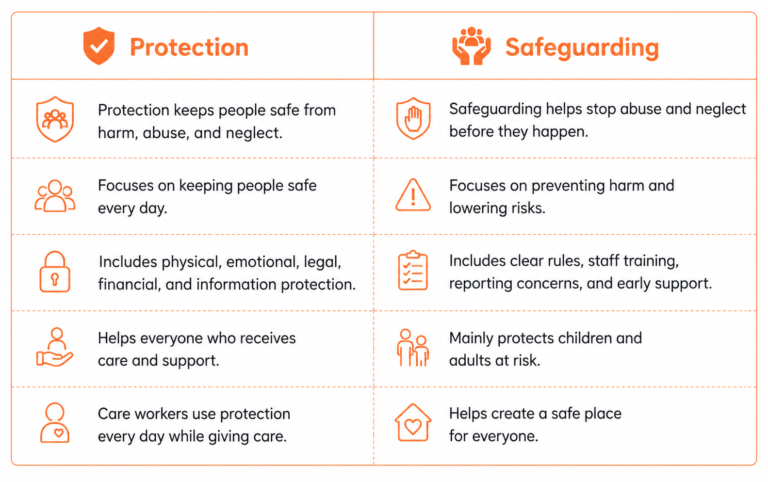
Protection and safeguarding work together. Protection keeps people safe now, while safeguarding helps prevent future harm. Together, they help people feel safe, respected, and supported. They also help care workers give safe, kind, and high-quality care every day.
How Does Duty of Care Work in Health and Social Care?
Duty of care means that care workers must keep people safe. They should do their job carefully and always think about the person’s safety and wellbeing. Every person has the right to receive safe, kind, and respectful care. Good duty of care helps people feel safe and supported.
Care workers have many daily duties. They should follow care plans, work safely and treat everyone with respect. They should also report any problems, follow workplace rules, and ask for help if they need it. These simple steps help keep everyone safe.
You can see duty of care every day. A care worker may help a person walk safely, give the correct medicine or report signs of abuse. They also keep personal information private and listen to people’s needs. These actions help people feel safe and cared for.
What is Risk Assessment and Why is it Important?
A risk assessment helps care workers find things that could cause harm. It also helps them make the care setting safer. This protects service users, staff, and visitors from accidents and injuries.
A risk assessment is simple. First, care workers look for anything that could be dangerous. Next, they decide who could get hurt. Then, they take simple steps to keep everyone safe. After that, they check the plan often to make sure it still works. This helps everyone feel safe and protected.
Some common risks include wet floors, heavy lifting, unsafe equipment, fires, and infections. Care workers should deal with these risks as soon as they find them.
Risk assessments help stop accidents before they happen. They make the workplace safer for everyone. As a result, people feel safer and receive better care every day.
Conclusion on Protection Health and Social Care
Protection health and social care is an important part of health and social care. It helps keep people safe from harm, abuse, and neglect. It also protects their rights, dignity, and wellbeing. Safeguarding, safe working and respect help create a safe place for everyone. Care workers should follow the law, keep personal information private, and report any concerns quickly. They should also continue learning through regular training and follow good working practices every day. When everyone works together, people receive safe, kind, and high-quality care and feel valued, respected, and supported.
FAQs
1. What is meant by protection in health and social care?
Protection in health and social care means keeping people safe from harm, abuse, neglect and avoidable risks. It also protects their rights, dignity and wellbeing.
2. What are the 5 main areas of safeguarding?
The five main areas of safeguarding are empowerment, prevention, protection, partnership, and accountability. These principles help keep people safe and support good care.
3. Why is protection important in healthcare?
Protection is important because it helps keep people safe. It respects their rights, gives them better care, and builds trust with care workers.
4. What are 6 principles of safeguarding?
The six principles of safeguarding are empowerment, prevention, proportionality, protection, partnership and accountability. These principles guide safe and respectful care.
5. How is protection different from safeguarding?
Protection means keeping people safe from harm. Safeguarding means taking steps to prevent harm before it happens. Safeguarding includes protection.
6. What is an example of health protection?
A good example of health protection is giving vaccinations to prevent diseases. Hand washing and infection control are also examples of health protection.