One wrong decision can turn a small emergency into a serious crisis. For that reason, the role of safety and security management in an emergency is to stop danger from spreading.
At that point, teams need a clear way to judge risk and act fast. Managers must decide whether people should leave, move indoors or stay in a secure area. In practice, strong planning keeps routes open, messages clear and support ready. It also helps security staff, first aiders and emergency services work together. As a result, UK organisations can reduce mistakes, control panic and protect people when every second counts.
Now, let’s explore the role of safety and security management in an emergency in more detail.
What Is the Role of Safety and Security Management in an Emergency?
Safety and security management connects people, plans, systems and decisions. Its role is to protect life, control risks and guide a safe response when facts remain incomplete.
Strategic control sets goals. Tactical control chooses the safest response. Operational control puts that decision into action across the site. Safety management mainly reduces accidental harm from fire, injury, spills and equipment failure. Security management mainly deals with crime, violence, threats and unlawful entry.
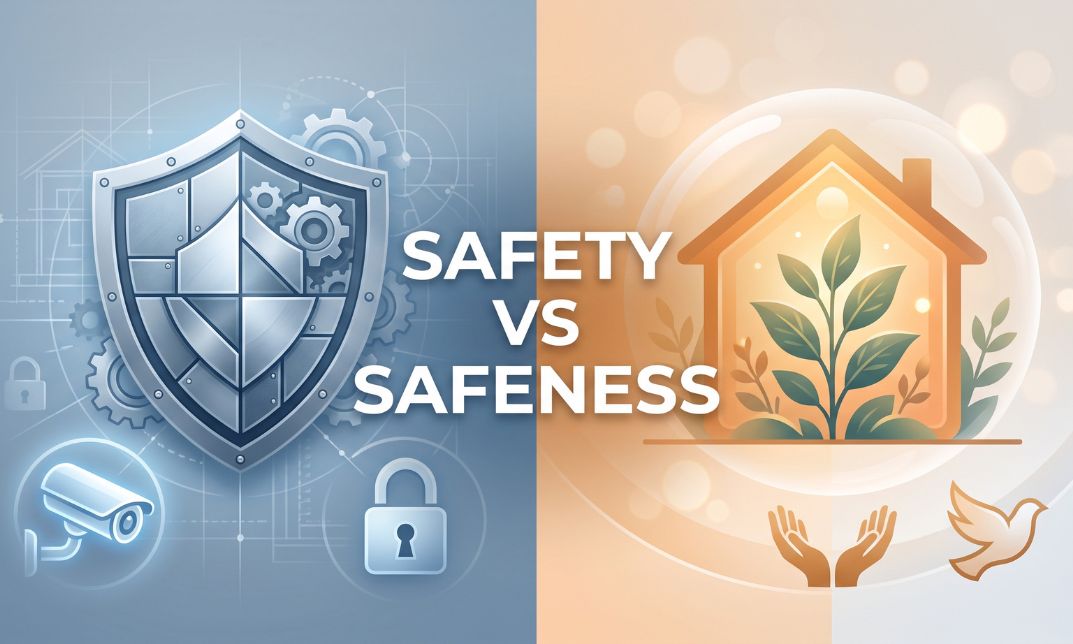
Many emergencies affect both areas at the same time. For example, a fire alarm can cause crowd pressure. An outside threat can also make the meeting point unsafe. Therefore, the response must stay flexible. The main aim is clear. First, move people away from danger safely. Then, protect property, data and key services where possible.
Why Can a Safety Control Create a Security Risk?
Safety controls can lower one danger but may create another. This problem often happens during an emergency. So, managers should check each action before they take it.
Locked doors can stop intruders from coming in. However, they can also block people who need to escape. In the same way, open gates can help people leave quickly. However, they may make the site less safe.
Fire assembly points often work well during practice drills. However, they may not be safe during an outside attack. General alarms may also send people towards danger.
A full lockdown can control who comes in and goes out. However, it may become unsafe if there is smoke or fire inside. Therefore, managers must keep checking each safety control. They must also think about how it may affect other risks.
This approach helps reduce secondary harm. NPSA guidance covers evacuation, invacuation, lockdown and combined responses. It supports flexible planning because every emergency develops differently.
What Must an Emergency Plan Decide Before an Incident Happens?
An emergency action plan should support quick and clear choices. It should not become a long file that nobody uses. Staff must know it before pressure begins.
A strong emergency plan should cover these areas:
- Likely events: Include fire, violence, illness, bad weather and power loss. Also cover unsafe items, gas leaks, building damage and absent key staff.
- Action triggers: Set clear signs for alarms, evacuation, lockdown or shutdown. Staff should know when each action starts.
- Authority and cover: Name who can start each response. Name a trained cover person for each key role.
- Medical planning: Check the needs of staff, guests and the public. Plan first aid, ambulance access, casualty areas and hospital travel.
- Displaced people: Some people can be safe but unable to leave. They could need shelter, water, news, transport or family contact.
- Outside support: Plan contact with police, fire, ambulance and nearby sites. Large events should also speak with local health teams.
- Site resources: Check exits, radios, lights, keys, alarms and first-aid kits. Add backup power and other ways to communicate.
HSE says event plans should match the size and level of risk. Its advice also covers medical care, ambulance access, casualties and displaced people.
How Should Managers Choose Evacuation, Invacuation, Lockdown and Communication?
Managers should move people away from the real danger. They should not send everyone outside by default. The threat and its location should guide the choice.
When Is Evacuation the Safest Option?
Evacuation moves people outside a site or building. It normally suits danger inside the site. Fire, smoke, gas or building damage could need this action. A full evacuation clears the whole site. A partial evacuation clears one area. Large sites can use phased, zonal or directional evacuation.
Directional evacuation moves people away from a known danger. A phased evacuation moves groups in a planned order. As a result, fewer people gather near small or narrow exits.
However, a terrorist incident may need different routes from a fire. The usual meeting point may also be unsafe. Therefore, people may need to spread out and move to safer places.
Current Martyn’s Law guidance lists several evacuation methods. These include full, partial, phased and directional evacuation. It also explains why terrorist and fire plans can differ.
When Is Invacuation Safer Than Leaving?
Invacuation means moving people to a safer place inside a building. It can also bring nearby people indoors. This action is useful when the danger is outside.
The safe place should be away from windows and open doors. It should also have enough space for everyone. However, crowded rooms can cause health and movement problems.
Practically, invacuation can come before a lockdown. Staff can bring people inside and secure some doors. Police could later advise a safe exit.
NPSA defines invacuation as movement to a safer place inside. It can protect people when leaving could move them towards danger.
When Should Managers Use Lockdown?
Lockdown controls entry, exit or movement around a site. It aims to slow a threat. It also stops people from walking into danger. A one-way lockdown stops entry but allows escape. A two-way lockdown limits both entry and exit. Partial and zonal lockdowns cover chosen areas.
Basically, the safest form depends on the threat and site layout. Lockdown should never become an automatic choice. Fire, smoke, injury or crowd pressure can change the plan.
NPSA says a partial lockdown can support directional evacuation. It also says staff can change the response as the risk changes.
Why Must Communication Support Every Response?
Communication starts and guides every other action. People need clear words before they can act safely. Poor messages can waste time and spread fear. Messages should tell people what to do. They should state where people should go. They should also name routes or areas to avoid.
Martyn’s Law lists four public protection procedures. These are evacuation, invacuation, lockdown and communication.
How Does Dynamic Risk Assessment Improve the Decision?
The safest choice can change within minutes. Managers should keep checking the threat, routes, smoke and crowd flow. They should also review system faults and new police advice. This ongoing check is called dynamic risk assessment. It helps managers change the response when new facts arrive. They could also need to use two actions together.
For example, danger outside could need invacuation and partial lockdown. A fire inside could then need directional evacuation. The plan must follow the changing risk.
NPSA supports flexible plans and dynamic action. Its guidance also says different protective procedures can work together.
Who Controls the Emergency Before Professional Responders Arrive?
A security officer can act before police or paramedics arrive. However, this does not make every officer a formal responder. Their role depends on training, authority and the site plan.
Emergency response roles should stay clear:
- Responsible manager: Makes sure the site has plans, people, tools and training.
- Incident lead: Checks the known facts and starts the agreed response.
- Security control room: Collects reports from alarms, radios, CCTV and door systems.
- Security officers and wardens: Raise alarms, guide people and guard unsafe areas.
- First aiders: Give care within their skills and training.
- Technical staff: Stop machines or services when trained and allowed.
The emergency services use their own command system after arrival. They can take control of the unsafe area. Site staff can still manage safe parts.
HSE says sites should appoint people to carry out emergency procedures. Staff should know who gives instructions and how to raise alarms.
How Should Security Officers Respond to Different Emergencies?
Security officers need more than one set response. They should protect life, raise the alarm and call for help. They must also stay within their training.
Security officers should follow these emergency response steps:
- Fire or smoke: Raise the alarm and call the fire service. Guide people through safe routes and keep access clear.
- Medical event: Call an ambulance and protect the person’s space. Control the crowd and send someone to meet the crew.
- Violence or weapons: Move people away and call police. Share clear facts about the person, place and danger.
- Unsafe item: Do not touch or move it. Clear the area, call 999 and stop access.
- Bomb threat: Write down the caller’s exact words. Tell police and follow the site’s threat plan.
- Gas or chemical leak: Keep people away and avoid sparks or flames. Call skilled help and follow site rules.
- Power failure: Guard dark areas, lifts, doors and key rooms. Use backup systems and check if the site remains safe.
- Severe weather: Move people from weak or open areas. Check flood, heat, travel and falling-object risks.
What Emergency Procedures Should Security Officers Know?
ProtectUK uses the 4Cs for a suspicious item. They are:
- Confirm
- Clear
- Communicate and
- Control
The HOT check helps staff decide whether an item looks suspicious. It asks whether the item is hidden, obviously suspicious or unusual for that location.
Run, Hide, Tell gives safety advice to the public during a terrorist attack. It does not replace the site’s emergency plan. Security staff should follow their training, site procedures and police instructions.
An appointed person manages basic first-aid arrangements. They can call emergency services and keep first-aid supplies ready. However, they should only give first aid when properly trained.
How Should Emergency Communication Reduce Panic and Delay?
Emergency messages should state the action, route, danger and expected conduct. The words must stay calm and easy to grasp. Long messages can hide the key point. Internal messages can include more detail. Public messages should stay short and simple. Everyone should know which channel gives official news.
Agreed wording can save time. Radios, speakers, phones, loudhailers and face-to-face orders can support the plan. Backup options should be ready. Staff must split known facts from unproven reports. A report should state what someone saw or heard. It should not treat a guess as fact.
Some trained sites use M/ETHANE for an early report. It covers:
- M- Major incident status
- E- Exact location
- T- Type of incident
- H- Hazards
- A- Access routes
- N- Number of casualties
- E- Emergency services present or needed
M/ETHANE helps responders and control rooms share key facts. Other groups can use it after training. It is not a rule for every private security officer.
How Should Security Teams Move Crowds When Routes Become Unsafe?
Crowd control needs calm staff and clear routes. People may follow a familiar path without checking if it is safe. Therefore, staff must guide them towards the safest route.
Security teams should focus on these controls:
- Keep exits usable: Routes should stay clear and easy to open.
- Change the flow: Use other routes when one area becomes unsafe.
- Stop counterflow: Prevent people from returning for bags, cars or relatives.
- Control tight points: Place trained staff near gates, doors, stairs and turns.
- Protect responder access: Keep roads and entry points clear.
- Check meeting areas: Make sure the normal point stays safe.
- Stop unsafe return: Allow return only after proper safety approval.
HSE says that exits should stay clear, ready and unlocked. Where security causes concern, staff should guard the exit. They should not lock it.
How Should Plans Protect Disabled and Vulnerable People?
Emergency plans should protect people with different needs. These needs can be long-term, temporary or caused by the emergency. Smoke, fear or injury can also make someone need extra help.
A good plan should cover disabled people, children, older people and visitors. It should also support people who struggle with English. Clear signs, lights, sounds and simple spoken instructions can make a big difference.
Some people may need a personal emergency evacuation plan. Visitors will need general support that works without warning. Staff should know who may need help and how to give it safely.
Most importantly, staff should ask people what support they need. They should never guess based on age, appearance or disability. Private health details should only be shared with authorised staff.
NPSA and HSE guidance both stress the need to support disabled and vulnerable people. Security staff should speak clearly, stay patient and offer calm support throughout the emergency.
What Keeps the Response Working When Technology Fails?
A strong emergency response needs reliable backup systems. Power cuts can stop CCTV, alarms, lights, radios and electronic doors at the same time. That is why every emergency plan needs simple manual options. Staff should have spare radios, batteries, torches, keys and printed contact lists. Paper maps and headcount sheets can also help.
Managers should know how electronic doors behave during a power failure. Doors must not trap people inside. They should not leave secure areas open without control. The plan should also name a backup control point. Staff need another way to call 999 when the main system fails. Technical teams should know how to shut down unsafe equipment.
HSE advises organisations to plan around real site risks. This means checking alarms, escape routes, equipment, staff training and regular practice.
When Should an Organisation Stop Normal Operations?
An organisation should stop normal operations when continuing could put people at risk. This could affect a performance, machine, road, public entrance or shop floor. The emergency plan should clearly name who can order the stop. It should also explain who informs staff, visitors and contractors. Clear, agreed messages help prevent confusion.
Work should only restart when the main danger has passed. Staff must return to their roles and key safety systems must work properly.
HSE show-stop guidance supports clear authority and planned public messages. It also advises organisations to consult relevant agencies before restarting an event.
Which UK Duties Shape Emergency Safety and Security Plans?
UK emergency duties depend on the nation, workplace and type of premises. Organisations should check the rules that apply to their own site. One general UK policy may not cover every legal duty.
In England and Wales, the responsible person manages fire safety. They must check fire risks and put safety steps in place. They must also make an emergency plan and train staff.
Scotland and Northern Ireland have different fire safety laws. So, businesses in these areas should follow local government and fire service advice.
Martyn’s Law will apply across the whole UK when the main rules begin. It became law on 3 April 2025.
The government will give people at least 24 months to get ready. Then, Parliament will confirm the official start date. After that, the Security Industry Authority will manage the new system.
What Should Happen After the Immediate Danger Passes?
Recovery starts when the main danger is under control. However, the site should not rush to open again. Safety, care and evidence work still remain.
The recovery team should:
- Account for people: Check staff, guests, contractors, missing people and casualties.
- Support displaced people: Offer a safe area, water, shelter, news and travel help.
- Protect welfare areas: Keep people away from hazards and active response work.
- Keep evidence: Save CCTV, body-camera files, door logs, photos and radio records.
- Record choices: Note what managers knew and when they knew it.
- Protect private data: Limit access to health and personal records.
- Complete reports: Send work and legal reports when the rules require them.
- Support staff: Offer practical care, a fair review and mental health support.
- Control reopening: Fix failed controls and check the remaining risk.
- Track changes: Give each action an owner and a due date.
RIDDOR does not cover every work accident. A report is only needed for set work-related events and injuries. Reports should state facts, not just blame or opinion. Standard forms can make records clearer. Private first-aid records should stay secure.
How Should Organisations Test Emergency Decisions?
Organisations should test how people make choices under pressure. A simple fire drill only checks a route people already know. However, it does not show how teams will react when things suddenly change.
To make the exercise more useful, teams should deal with real problems. For example, the main exit could be blocked. The usual incident leader could also be absent. Another test could include a radio failure during a power cut. Teams could also place a danger near the normal meeting point.
In the same way, some drills should include visitors. Visitors may not know the site well. Teams can also practise helping someone who becomes ill during a lockdown. These situations can show problems that simple drills may not find.
Tabletop exercises help test leadership, communication and decision-making. However, live drills test escape routes, safety equipment, crowd movement and access control.
Most importantly, strong exercises should force teams to change their response. Staff might move from evacuation to invacuation. They could also switch from lockdown to directional evacuation.
How Can Managers Measure Real Emergency Readiness?
Managers need clear measures to check whether their emergency plan works. A signed policy does not prove staff can respond well. Drills, tests and real incidents provide stronger evidence.
Here are the key emergency readiness measures managers should track:
- Threat recognition time: Track how quickly staff notice and report danger.
- Alarm response time: Measure how long teams take to raise the alarm.
- 999 call time: Check how quickly staff contact emergency services.
- Headcount time: Record how long teams need to account for everyone.
- Equipment test results: Note failed radios, alarms, lights and backup systems.
- Role coverage: Check for empty roles or missing replacement staff.
- Action completion: Track late safety tasks from drills or past incidents.
- Report quality: Check whether reports give clear locations, threats and routes.
- Casualty details: Make sure staff share correct injury information.
- Support for added needs: Review support for disabled or vulnerable people.
These measures show how well the plan works under pressure together. More importantly, they reveal weak areas before a real emergency happens.
Final Thoughts on Emergency Safety and Security Management
The role of safety and security management in an emergency becomes clear when normal systems start to fail. Strong planning brings order to confusion. It also helps teams protect people without creating new risks.
Still, no written plan can predict every turn. Trained staff must read the situation and act with care. Managers must also change direction when the danger moves or grows.
Good emergency management depends on calm choices. Clear roles, helpful updates and quick action can reduce harm. Together, they help people reach safety and recover more easily.
FAQs
What Is the Role of a Safety and Security Manager?
- A safety and security manager protects people, buildings and key assets. They assess risks, lead staff, test emergency plans and work with emergency services.
What Is the Role of Security in an Emergency?
- Security staff raise alarms, control access and guide people away from danger. They also share clear updates with police, fire crews and ambulance teams.
What Are the 5 Cs of Security?
- There is no single official UK list. A common emergency model uses Command, Control, Communication, Coordination and Cooperation. For suspicious items, ProtectUK uses four Cs instead: Confirm, Clear, Communicate and Control.
What Are the Three Main Roles During Emergency Management?
- The three levels are strategic, tactical and operational. Strategic leaders set the direction, tactical managers build the plan and operational teams carry it out.
What Are the Four Pillars of Emergency Management?
- The four common pillars are mitigation, preparedness, response and recovery. They reduce risk, build readiness, manage the emergency and restore normal life.
What Are the Six Critical Functions of Emergency Management?
- A common six-part model uses prevention, protection, preparedness, mitigation, response and recovery. However, names can change between sectors and organisations.