
The 3 aims of first aid are simple, but they can really save lives. Knowing them helps you stay calm, act quickly and give the right care when it really matters. First, Preserve Life – this is about doing what you can to keep someone alive. In the UK, about 30,000 people have a cardiac arrest outside the hospital each year, but less than 10% survive. Doing CPR quickly can save lives. Then comes Prevent Deterioration, which is all about stopping things from getting worse. And finally, Promote Recovery – helping the person heal and get stronger.
These aims aren’t just for professionals. Anyone who knows first aid can use them. They give you clear steps and make you feel more confident, even in stressful situations. Just imagine stepping in and making a real difference. Even a small action can matter a lot. So, why wait? Test Your Knowledge with our First Aid Quiz or Book First Aid Training Today and be ready when it counts.

Table of Contents the 3 aims of First Aid
We never know when we might face a difficult situation. In any emergency, it is important to give first aid before going to the hospital. To provide this care, you need to understand the 3 objectives of first aid. So, what are the three aims of first aid? Today, we will go into more detail about that subject.
Preserve Life: The Highest Priority
The first goal in any emergency is to save life. Learn how to stay calm, check for danger, and help someone breathe. Quick action can save lives.
Prevent Further Injury: Minimise Harm
Next, stop the situation from getting worse. Learn how to move someone safely and prevent injuries. Small steps can make a big difference.
Promote Recovery: Preparing for Medical Care
After the person is safe, help them feel better. Make them comfortable, reduce pain, and get them ready for medical care. This helps them recover faster.
Legal Responsibilities
Know your duties when giving first aid. Understanding the law keeps you and the person safe. It helps you act confidently.
Importance of Proper First Aid Training
Training gives you the right skills to act correctly. Practising with experts builds confidence and can save a life.
How to Teach the 3 Ps Effectively
Teaching others is powerful. Learn simple ways to explain the 3 Ps so anyone can remember and use them in emergencies.
Preserve Life: The Highest Priority
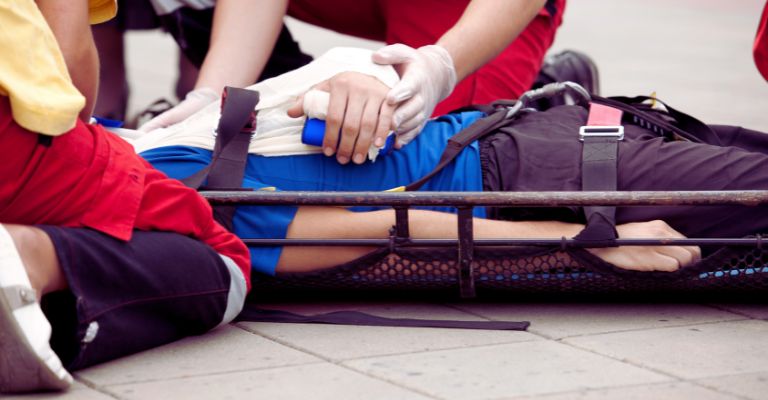
You may want to know what is the most important consideration when providing first aid. Preserving life is the most important step in any emergency. First, if someone’s life is at risk, every second counts. Knowing what to do can really save a life. Life-threatening situations can happen anywhere. For example, heavy bleeding, breathing problems, or cardiac arrest need fast action. That’s why learning how to preserve life is so important.
Techniques to Preserve Life
CPR (Cardiopulmonary Resuscitation): CPR keeps blood and oxygen moving in the body until help arrives. It is one of the most useful first aid techniques you can learn.
Airway Management: Next, make sure the person can breathe. Clear their airway and watch their breathing carefully. Small steps here can save lives.
Bleeding Control: Also, stop heavy bleeding quickly. Apply pressure and use bandages if you have them. Every minute matters.
Quick Steps for Immediate Action
- Make sure the place is safe for both you and the person.
- See if they respond by calling their name or tapping them gently.
- Look for normal breathing and begin CPR if they are not breathing.
- Stop bleeding – press on any heavy bleeding immediately.
Finally, knowing these steps gives you confidence to act fast. Don’t wait to learn – Book CPR and AED Training Here and get the skills to help when it matters most.
2. Prevent Further Injury: Minimise Harm
Stopping injuries from getting worse is very important. To begin with, you need to stabilise the situation. This protects the person and gives them the best chance to recover. Knowing how to prevent deterioration can make a real difference.
Key Strategies
Keep the injured still: Use splints, slings, or supports to help the person stay still. After that, this prevents broken bones or other injuries from getting worse.
Ensure safe surroundings: Meanwhile, check the area for dangers like fire, chemicals, or traffic. Make sure both you and the injured person are safe before helping.
Comfort and calm: In addition, speak gently and stay calm. Stress can make injuries worse. Your calm presence can make the person feel safer and less scared.
Five Key Actions to Prevent Deterioration
- Maintain airway – make sure they can breathe properly.
- Control bleeding – press on wounds to stop heavy bleeding.
- Manage shock – keep the person warm and comfortable.
- Treat other injuries – help with cuts, bruises, or broken bones.
- Monitor the person – watch breathing, pulse, and response closely.
Tips on moving the casualty safely: Only move the person if it is necessary, like if there is danger nearby. Move slowly and carefully to avoid extra harm. Finally, following these steps helps protect the person and speed up recovery. Learning first aid, safety and injury management gives you confidence to act when it matters most.
3. Promote Recovery: Preparing for Medical Care
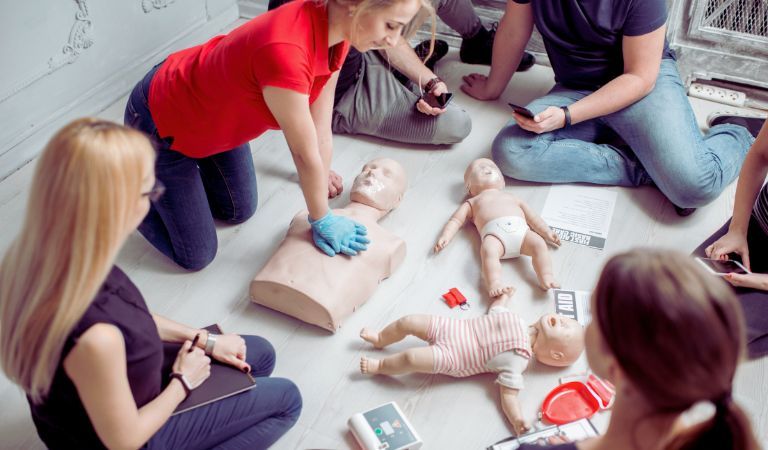
After saving a life and stopping injuries from getting worse, the next step is to promote recovery. This means helping the person heal and feel better while waiting for medical help. Proper care at this stage can improve how well they recover and reduce complications.
Steps to Promote Recovery
Keep watching and checking vital signs: First, keep checking the person’s breathing, pulse, and level of response. If anything changes, you need to act quickly. Monitoring vital signs helps you know if the person is stable or needs urgent help.
Make the casualty comfortable: Next, help the person lie or sit in a safe and relaxed position. Use blankets, cushions or clothing to keep them warm. Comfort helps reduce stress and pain, which supports faster healing.
Prepare for professional medical help: Meanwhile, call for professional help or get ready for medical staff. Give them clear information about the situation, injuries, and what you have done so far. A calm and organised approach helps doctors and paramedics act faster.
Relieve pain and protect the unconscious: Also, try to reduce discomfort without moving the person too much. If someone is unconscious, make sure their airway stays clear, and they are in a safe position. Protecting them prevents more serious complications.
Follow the Five Aims of First Aid
The Five Aims of First Aid guide your actions: preserve life, prevent deterioration, promote recovery, relieve pain and protect the unconscious. Each aim works together to give the best care possible.
By learning how to promote recovery and provide first aid support, you can help someone heal faster and feel safer. Even small actions, like keeping them warm or calm, make a big difference in recovery after injury.
Legal Responsibilities
When giving first aid, it’s important to know your first aid legal requirements in the UK. These rules protect both you and the person you are helping. They also give you confidence to act quickly and safely in emergencies.
Health and Safety (First-Aid) Regulations 1981
To start with, this law says every workplace must provide first aid equipment and trained staff. It makes sure help is available immediately when accidents or injuries happen. Even a small delay can make a big difference.
First Aid Needs Assessment
After that, workplaces must check what first aid support is needed. Employers consider risks, staff numbers, and work conditions. This decides how many trained first aiders are needed, what equipment is required, and where it should be placed.
Human Rights Act Article 2
In addition, this law protects the right to life. It reminds everyone that acting responsibly to help someone in danger is both moral and legal. Ignoring a person in need could have serious consequences.
Duty of care in emergencies
Moreover, you have a legal and moral duty of care. You must do your best to help others. Simple actions like calling emergency services, giving first aid or keeping the person safe are all part of this duty. Even small steps, like checking breathing or controlling bleeding, can save lives.
Following these rules helps you stay ready and confident. It also ensures your workplace meets workplace first aid standards. Understanding your legal responsibilities is an important part of being prepared.
Importance of Proper First Aid Training
It takes more than a few simple steps to understand first aid. To start with, formal first aid training gives you the confidence and skills to act quickly in emergencies. It helps you stay calm and give the right care when someone needs help the most.
Here is why proper first aid training is so important:
- Be ready for real situations – For example, if someone falls at school or collapses at work, you can check their breathing, give CPR, or stop heavy bleeding. Acting quickly can save lives.
- Learn practical skills – Also, practical first aid lets you practise bandaging wounds, moving injured people safely, helping someone choking, and using a defibrillator. Practising makes it easier to remember and use these skills in real emergencies.
- Training for your environment – Bespoke first aid courses in the UK are available for workplaces, schools, and emergency responders. This means you learn exactly what you need for your situation.
- Understand emergencies better – Training teaches you how to stay calm, think clearly, and act safely. You also learn how to protect yourself and the injured person.
- Confidence to help – Finally, proper training makes you confident. Even small actions, like checking breathing, controlling bleeding or calling for help, can make a big difference.
Good first aid training can save lives, reduce injury, and make people feel safe. It also prepares you for unexpected events. Start learning today and be ready to help when it matters most.
How to Teach the 3 Aims of First Aid Effectively
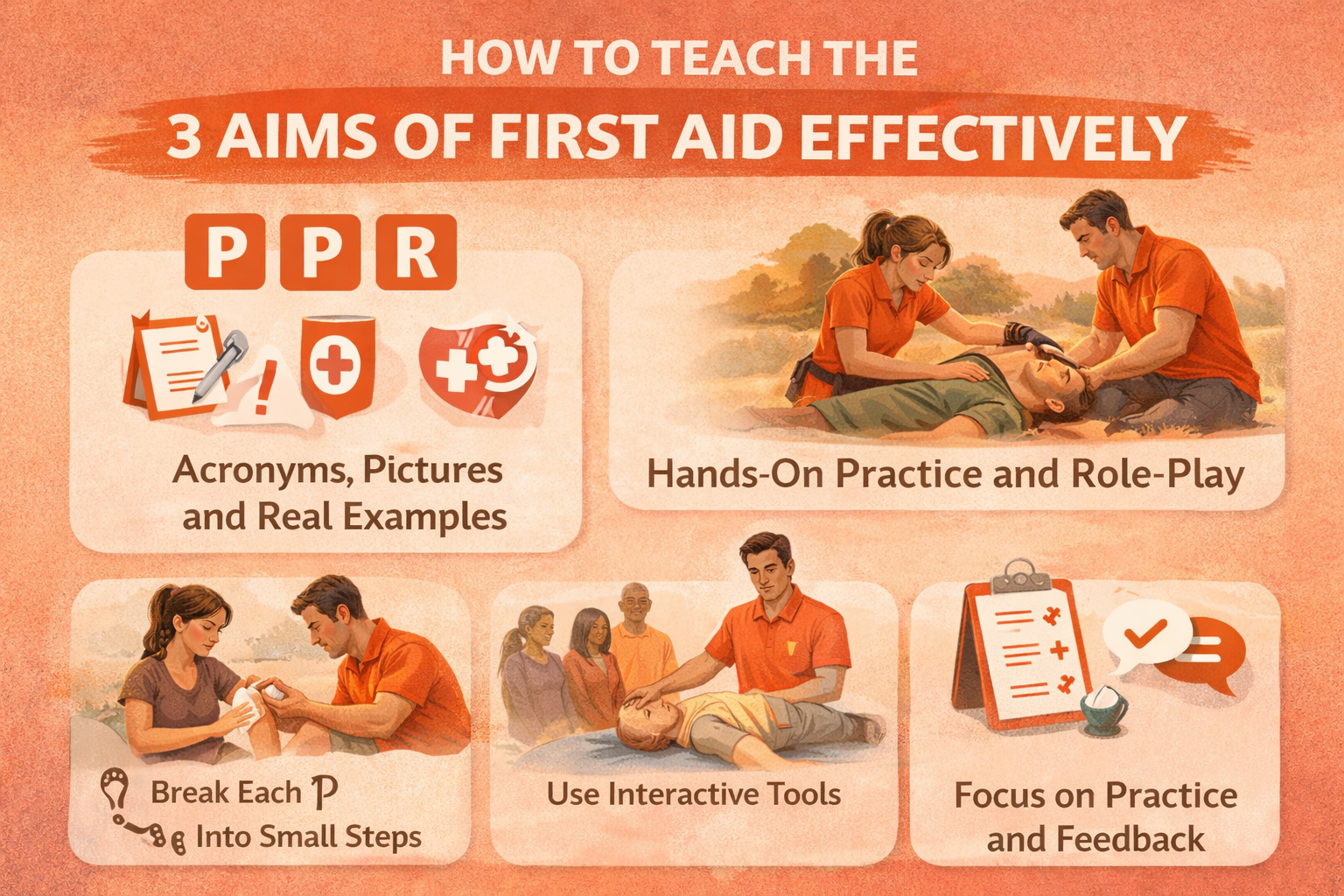
Teaching the 3 Ps of first aid training works best when learners can see, practise and understand each step. First of all, make lessons simple and relatable.
Tips for teaching first aid:
- Use acronyms, pictures, and real examples – For instance, showing a picture of CPR or a cut being treated helps learners remember what to do. Short acronyms make steps easy to recall.
- Hands-on practice and role-play – After that, let learners practise bandaging, checking breathing or helping someone choking. Role-play makes it feel real and builds confidence.
- Break each P into small steps – Explain Preserve Life, Prevent Deterioration, and Promote Recovery in easy steps. Learners can remember them better this way.
- Use quizzes, videos, and interactive tools – In addition, short quizzes, case studies, or videos keep learners engaged. They can also check their knowledge.
- Focus on practice and feedback – Lastly, let learners practise often and give feedback. This helps them know what they do well and what they need to improve.
Using these first aid teaching methods makes learning the 3 Ps of first aid simple, clear, and practical. With practice and real examples, learners feel ready and confident to act in emergencies.
Common Mistakes to Avoid
Even people who know a little first aid can make mistakes. Right away, learning what not to do is just as important as learning what to do. Avoiding these errors can save lives and stop injuries from getting worse.
Common first aid mistakes to avoid:
- Moving the casualty unnecessarily – Specifically, moving someone with a broken bone or neck injury can make it worse. Only move them if there is immediate danger.
- Delaying CPR – Meanwhile, waiting too long to start CPR can reduce survival chances. Start immediately if the person is not breathing.
- Ignoring severe bleeding – In particular, not controlling heavy bleeding quickly can be life-threatening. Apply firm pressure and get help.
- Panicking or staying silent – On the other hand, staying calm matters. Panic can confuse the casualty and slow help. Speak gently and reassure them.
- Skipping safety checks – Above all, always check the scene for dangers like fire, traffic or electricity before helping. Your safety comes first.
Avoiding these common first aid errors helps you act faster, safer and more effectively. Learning first aid mistakes to avoid builds confidence and shows others they can trust you in an emergency.
Safety in Different Environments
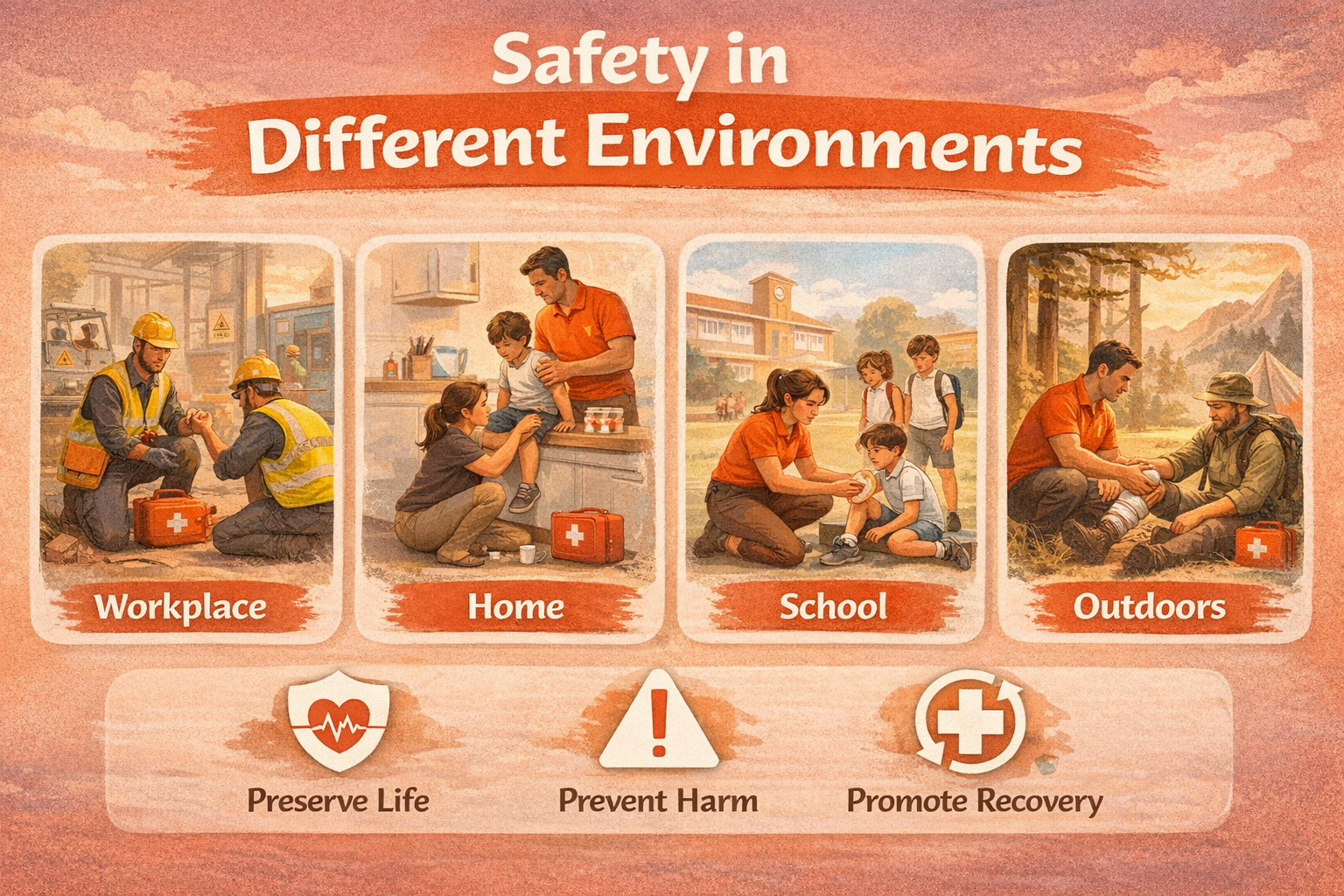
First aid is important everywhere – at work, at home, at school, or outdoors. Right away, knowing how to act in different places keeps everyone safer and helps you respond quickly in emergencies.
In the workplace, offices, factories and shops each have their own risks. Heavy equipment, chemicals, or busy areas can cause accidents. In addition, following the Three Ps first aid – Preserve Life, Prevent Deterioration, Promote Recovery – helps protect colleagues and yourself. Learning workplace first aid UK standards ensures you are ready.
At home, accidents can happen to anyone. Cuts, burns, falls or choking are common. For instance, using home first aid tips allows you to act fast, stop injuries from getting worse and help family members recover. Meanwhile, schools need careful attention. Children, staff, and visitors face risks like slips, playground injuries, or asthma attacks. Applying the 3 p’s of first aid and having trained staff makes a huge difference.
Outdoor activities, such as parks, sports fields, and camping, can be risky too. Similarly, first aid knowledge helps you respond to cuts, sprains, bites or heatstroke quickly and safely. Some places are high-risk environments, like construction sites, chemical labs, or sports arenas. Above all, serious injuries can happen in these areas. Knowing the 3 Ps of first aid and having proper training is essential. You must preserve life first, prevent injuries from getting worse and support recovery until professional help arrives.
Being aware of risks in every environment helps you stay calm and act safely. Ultimately, whether at work, home, school, or outdoors, first aid knowledge gives you confidence to protect yourself and others.
Final Thought
First aid is more than a skill – it can save lives. Knowing the three p’s of first aid – Preserve Life, Prevent Deterioration, and Promote Recovery – helps you stay calm and act fast in an emergency. Every small action matters. Accidents can happen anywhere – at work, home, school, or outdoors. Being ready with the right training and knowing what to do gives you confidence to help safely.
If you want to learn more first aid tips and application skills, check out our blog. We share easy guides, real-life examples and advice to help you be prepared. Don’t wait for an emergency – read our blog and get ready to make a difference.
Frequently Asked Questions (FAQs)
What are the 3 principles of first aid?
- The 3 principles of first aid are Preserve Life, Prevent Deterioration, and Promote Recovery
What are the 3Ps of first aid?
- The 3 Ps of first aid mean Preserve Life, Prevent Deterioration, and Promote Recovery.
What does the 3 P’s stand for?
- The 3 P’s stand for Preserve Life, Prevent Deterioration, and Promote Recovery.
What are the P3 of first aid?
- P3 means the same as the 3 Ps of first aid: Preserve Life, Prevent Deterioration, and Promote Recovery.
What are the 3 P’s of CPR?
- The 3 P’s of CPR focus on preserving life, preventing further harm, and promoting recovery until help arrives.
What are the 3 Ps in healthcare?
- In healthcare, the 3 Ps usually mean Prevent illness, Promote health, and Protect life.