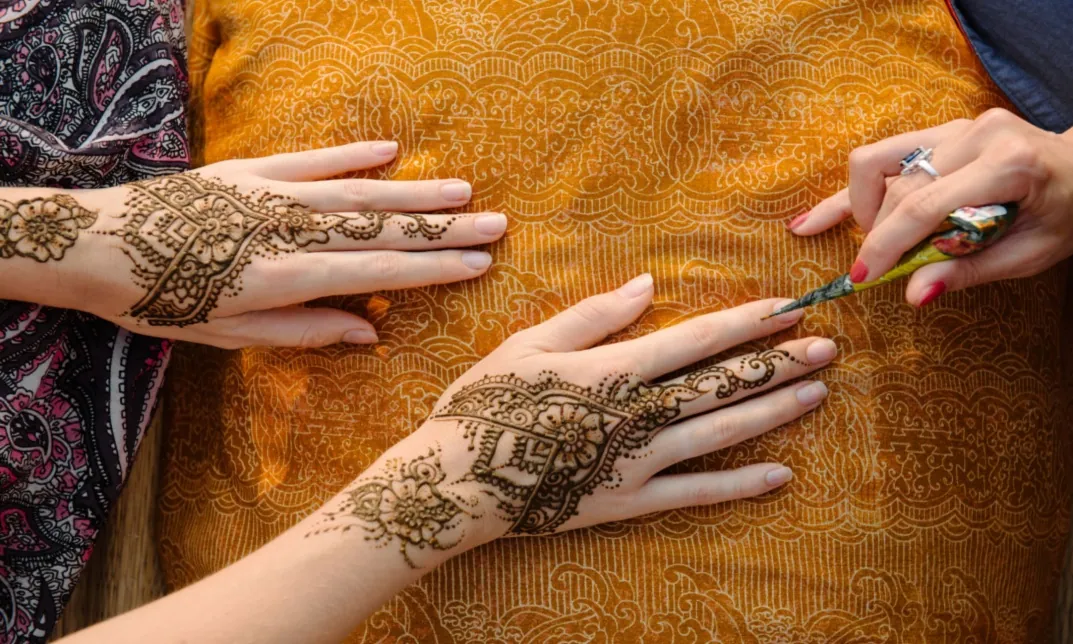
Welcome to our friendly guide about this beautiful tradition. Henna, or Mehandi, has a long and colorful history. People have used it for thousands of years. Today, it is very popular across the United Kingdom. You will see it at many weddings and festivals. British shoppers now love choosing natural beauty items over chemicals. Because of this, henna is a top choice for hair and skin. However, you must stay safe while using it. Do you know what henna made of specifically? Understanding the ingredients keeps your skin healthy. Let us explore the wonderful secrets of this green powder together.
What henna made of?
To understand this art, we must look at nature first. Pure henna starts as a shrub called Lawsonia inermis. Many people call this the “Henna Tree” in English. This plant loves to grow in very hot, dry places. You can find it in Africa and Southern Asia. Furthermore, the leaves are the most important part of the tree. Farmers harvest these leaves carefully when they are mature. After harvesting, they dry the leaves under the hot sun. Once they are dry, they become very brittle and crunchy. Next, workers grind these leaves into a very fine powder.
What is the difference between pure and synthetic Henna?
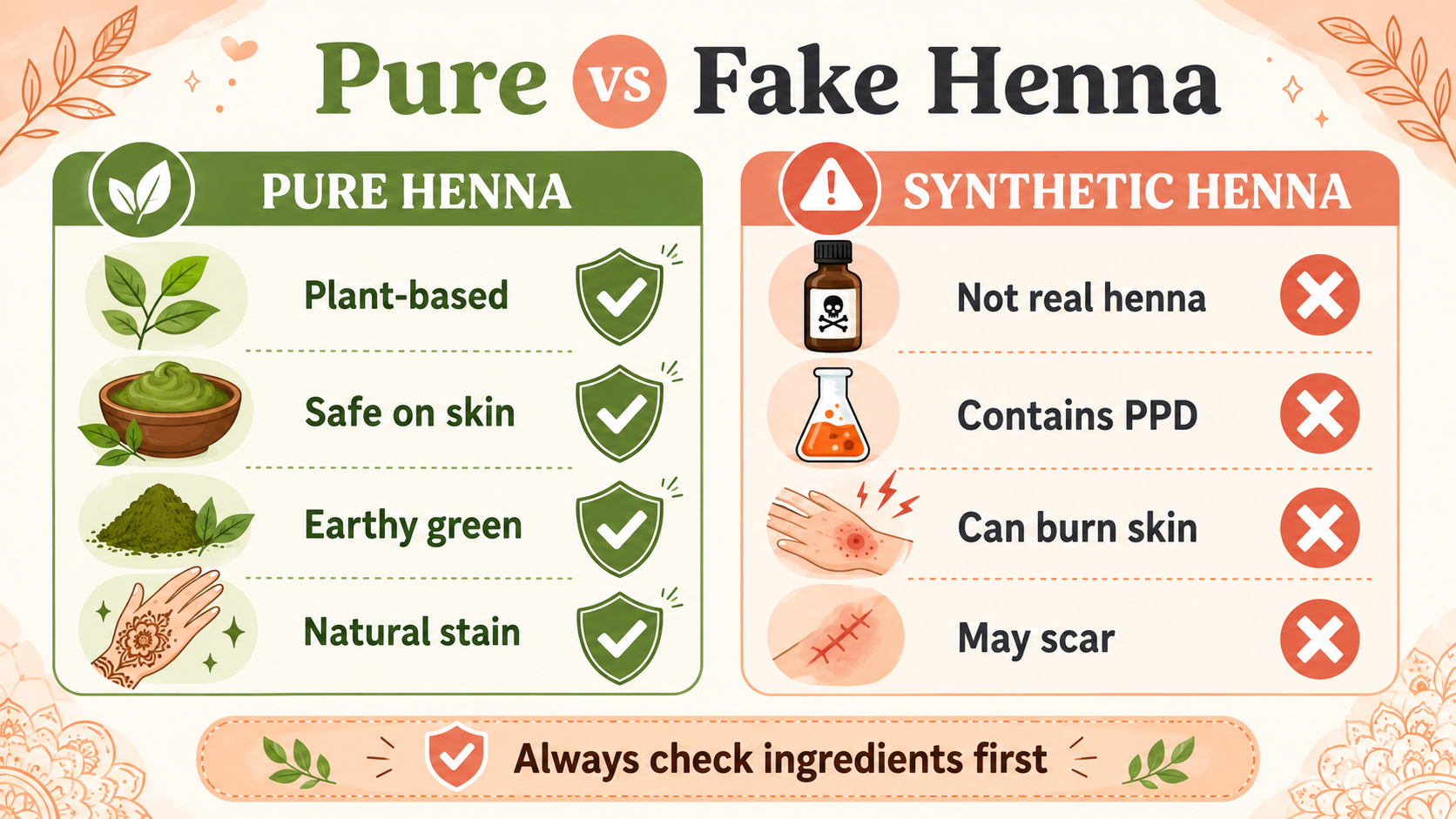
Knowing the difference between real and fake products is vital. Real henna is always safe and comes from a plant. However, some shops sell a dangerous product called “Black Henna.” This is not real henna at all. Instead, it contains a chemical called PPD. In the UK, PPD is used in hair dyes. Consequently, it should never be applied directly to your skin. This chemical can cause very bad burns and scars. Therefore, you must always ask what henna is made of before buying. Pure henna will always have a natural, earthy green colour.
How to mix the paste and what henna is made of for art
Creating the perfect paste is like following a cooking recipe. You start with the sifted green leaf powder. Next, you must add a mildly acidic liquid. Many artists in London use fresh lemon juice for this. The acid helps to release the dye from the leaves. In addition, a little bit of sugar is often added. This makes the paste creamy and easy to squeeze. Consequently, the sugar helps the design stick to your skin. Finally, the mixture must rest for several hours to develop. This process ensures the colour is very bright.
What Role Do Essential Oils Play in Henna?
Essential oils are a key part of the mixing process. Artists add them to make the stain much darker. These oils contain special chemicals called “terps” or terpenes. Lavender oil is a very popular choice in the UK. Furthermore, it is very gentle on young or sensitive skin. Some people use tea tree or cajeput oil instead. These oils help the Lawsone molecule penetrate the skin deeply. As a result, your henna design will last much longer. Always ensure your artist uses high-quality, skin-safe essential oils. This keeps the whole experience natural.
How Can You Check Henna Quality by Its Ingredients?
You can tell a lot about henna just by looking. High-quality powder should look like very fine, dusty flour. If you see big chunks, it was not sifted well. Furthermore, the colour should be a dull, khaki green. If it looks like bright neon green, stay away. This usually means the maker added artificial green food colouring. Such additives can sometimes cause mild skin irritation for users. Moreover, pure powder should not have any sandy or gritty feeling. Quality matters because it affects how smooth your artistic lines will be.
Why the Lawsone molecule is what henna is made of for colour
Inside the leaf, a tiny molecule does all the work. This molecule is called Lawsone or hennotannic acid. It is the core of what henna is made of for staining. When the paste touches your skin, the molecule migrates. It moves from the paste into the top layer of skin.
Moreover, it binds strongly to the protein called keratin. Keratin is found in our skin, hair, and nails. Because of this bond, the colour does not wash off. It only fades as your skin naturally exfoliates over time. This makes it a perfect temporary tattoo.
How Does Temperature Affect Henna During Use?
Temperature plays a very big role in the staining process. Henna plants grow in hot climates for a reason. Consequently, the dye releases much better when the environment is warm. If you are in a cold UK home, take care. Your stain might look light if your hands are freezing. In addition, the paste should be kept at room temperature. Never put your fresh henna paste in the microwave to heat it. This can ruin the natural dye molecules inside the mixture. Instead, keep your hands warm near a gentle radiator or heater.
Why Is Sifting Important When Making Henna?
Sifting is the secret to a professional and clean design. Workers pass the powder through very fine silk screens. This removes any tiny bits of leaf veins or stems. If these bits remain, they will clog the applicator tip. Consequently, your lines will look shaky or broken on the skin. Most UK professionals buy triple-sifted henna for this reason. In addition, a smooth paste is much easier to draw with. It feels like silk as it glides over your hands. This step is essential for creating intricate and beautiful bridal patterns.
What Is the Best Way to Store Henna for Freshness?
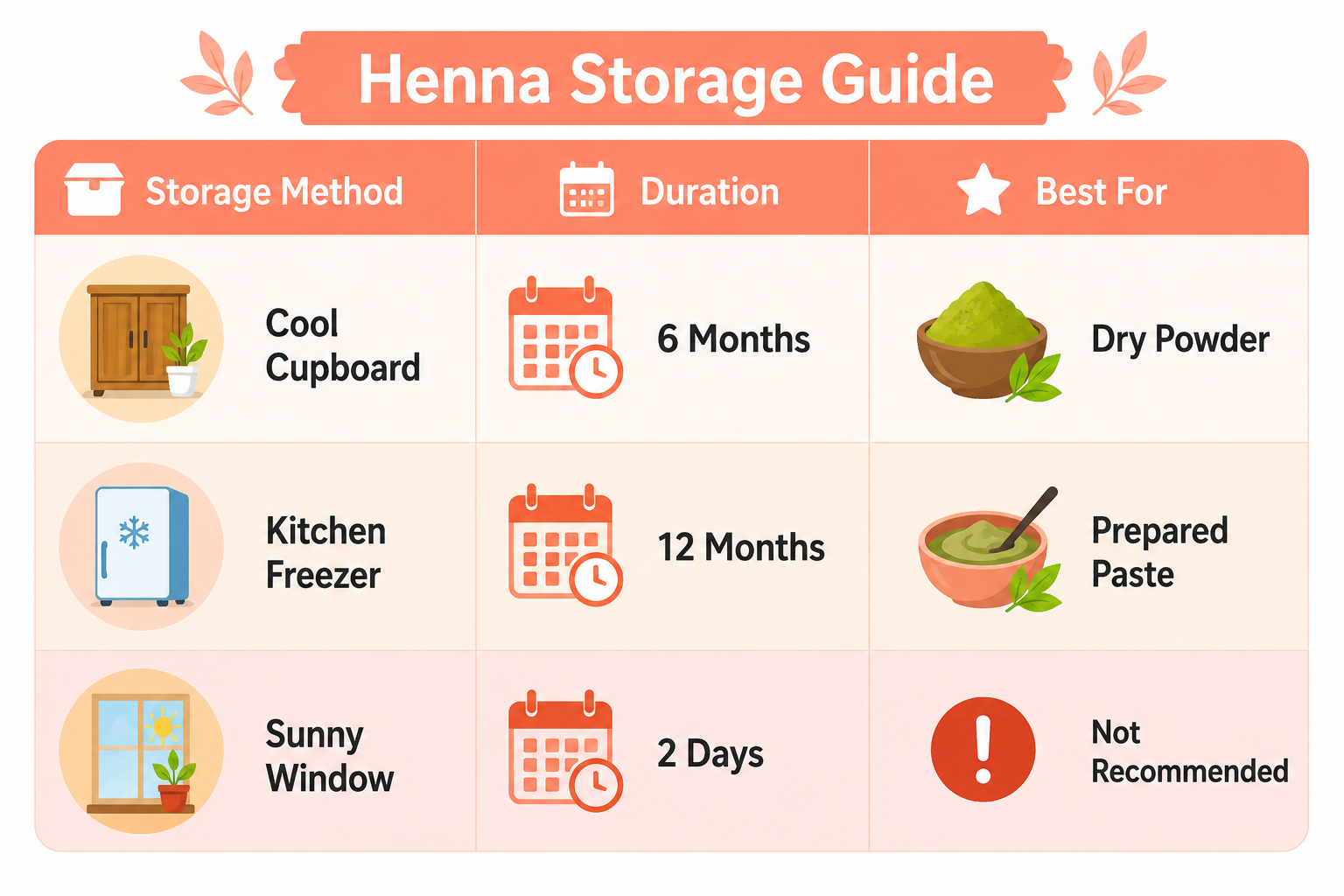
Henna is a natural product and can go bad quickly. Therefore, you must store it correctly to keep it fresh. Pure powder should be kept in a cool, dark place. Many people use airtight containers to block out any moisture. In addition, you can freeze the prepared paste to save it. Frozen paste can stay good for several months in the freezer. When you are ready, just let it thaw at room temperature.
Because it is a plant product, heat and light destroy the dye. Proper storage ensures your designs are always dark and rich.
How do you identify pure henna paste?
Check the colour of the paste on the skin. Pure paste starts as a dark green or brown mud. When you scrape it off, the skin is bright orange. Secondly, think about the smell of the mixture. It should smell like a forest or a cup of tea. If it smells like chemicals, it is probably fake. Moreover, check how long it takes to leave a mark. Natural henna needs at least thirty minutes for a light stain. If it stains in thirty seconds, it contains harsh dyes. Always trust your nose and your eyes.
Is henna vegan and cruelty-free for UK shoppers?
Many people in the UK want to protect animals. Fortunately, pure henna is 100% plant-based and totally vegan. It contains no animal products or by-products at all. Furthermore, traditional henna is rarely tested on animals by manufacturers. This makes it a perfect choice for ethical shoppers today. Many British teenagers use it as a natural hair dye. Consequently, they avoid the harsh chemicals found in boxed dyes. In addition, it is a very sustainable choice for the environment. Choosing this product helps you look good and do good. Always check for a cruelty-free logo.
Are there UK safety regulations for henna products?
The United Kingdom has very strict rules for cosmetic safety. These rules are managed by the CTPA and other government bodies. They ensure that what we put on our skin is safe. Furthermore, the use of PPD in skin products is illegal here. This is why “Black Henna” is banned in professional UK salons. If a shop sells it, they are breaking the law. Because of this, you should only buy from trusted sellers. Moreover, professional artists must follow certain health and safety steps. They usually carry insurance to protect their customers and themselves.
How Does Henna Create a Stain on Your Skin?
The stain colour depends on where you apply the paste. Skin on the palms and soles is very thick. Therefore, the dye can soak in much deeper there. Consequently, these areas usually have the darkest, richest brown colour. In contrast, skin on the arms or back is thinner. The colour there might appear as a lighter tan. Moreover, every person has a different skin chemistry or pH. This means the same paste looks different on every person. In addition, your body temperature affects the final result significantly. Warm skin always takes the dye much better.
How Does Henna Support Healthy Hair?
Many people use henna to dye their hair naturally. It is a fantastic alternative to chemical hair products. Pure henna coats the hair shaft instead of breaking it. As a result, your hair becomes much stronger and thicker. Furthermore, it gives a beautiful shine that looks very healthy. In the UK, people with allergies often choose this method. However, remember that henna hair dye is very permanent. You cannot easily change the colour once it is applied. Moreover, it protects the scalp from fungal infections and dandruff. It is truly a natural medicine for hair.
What Is the Cultural History of Henna?
Henna has a deep meaning in many different cultures. In India, it is a symbol of joy and luck. People use it to celebrate weddings and the Eid festival. Furthermore, many North African cultures use it for protection and health. In the UK, these traditions have blended together beautifully. You can see henna at modern music festivals and fairs. It brings people together through art and shared history. Consequently, it is a bridge between different communities in Britain. Understanding the history makes the experience much more special. It is more than just a simple cosmetic.
What Mistakes Should You Avoid When Choosing Henna?
Many beginners make mistakes when they first buy henna. Firstly, they might buy “shelf-stable” cones from local shops. Often, these cones contain preservatives and hidden chemical dyes. These chemicals are added to make the paste last longer. However, they can be very irritating to your skin. Secondly, people sometimes buy powder that is very old. Old powder loses its strength and won’t stain well. In addition, avoid any product that does not list all ingredients. Transparency is very important for your safety and health. Always look for fresh, handmade paste from local UK artists.
Is Natural Henna Better for the Environment?
Henna is a very eco-friendly product for the planet. The Lawsonia inermis tree grows well in poor soil. It does not need much water to survive and thrive. Therefore, it is a great crop for farmers in dry regions. Furthermore, the farming process does not usually require many pesticides. This keeps the local water and soil clean and safe. Moreover, because it is biodegradable, it leaves no waste behind. In the UK, eco-conscious consumers appreciate these green benefits. Using natural products helps reduce our overall chemical footprint. It is a win for you and the Earth.
Conclusion
Henna is a wonderful gift from the natural world. It allows us to express our creativity and celebrate our culture. Remember that knowing what henna made of is your best protection. Always choose the green, earthy powder over the smelly black chemicals. By doing this, you keep your skin safe and healthy. Furthermore, your designs will look much more authentic and beautiful. Natural henna is a slow process, but it is worth it. Finally, please share your beautiful henna designs with us on social media! We love seeing the creative patterns our UK readers come up with. Stay safe and enjoy your art!
FAQs
1. What are the bad chemicals in henna?
- The main harmful chemical is PPD (para-phenylenediamine) often found in black henna. It can cause burns, allergic reactions, and permanent skin damage.
2. What is real henna made of?
- Real henna is made from dried Lawsonia inermis leaves, mixed with natural ingredients like lemon juice, sugar, and essential oils.
3. Is henna cultural or Islamic?
- Henna is a cultural tradition practised in many countries. It is also widely used during Islamic celebrations but is not exclusive to Islam.
4. What is the main ingredient in henna?
- The main ingredient is powdered leaves from the Lawsonia inermis plant.
5. Why do hairdressers not like henna?
- Some hairdressers avoid henna because it can make chemical colouring and bleaching difficult, leading to unpredictable results.
6. Is 100% natural henna safe?
- Pure 100% natural henna is generally safe for most people when used correctly. Always do a patch test before applying it.