
Health and wellbeing coaches make small changes that lead to big improvements. A health and wellbeing coach helps people learn how to take care of their own health. This work happens in GP surgeries, PCNs, and local community services. Using simple coaching tools, they help people build healthy habits. For example, they set clear health goals and give support along the way to keep people on track. In England, the health and wellbeing coach role is part of the ARRS framework in primary care. Usually, jobs are Band 4–5, but some can reach Band 6 depending on local rules.
Let’s dive in and discover how you can become one and help others improve their wellbeing.
What Is a Health and Wellbeing Coach?
A health and wellbeing coach teaches people how to live a healthier life. They guide people to set clear goals, adopt healthy habits, and manage their own care. Mainly, they focus on both emotional wellbeing and physical health. Their job is to make advice simple and practical so each person can use it in daily life.
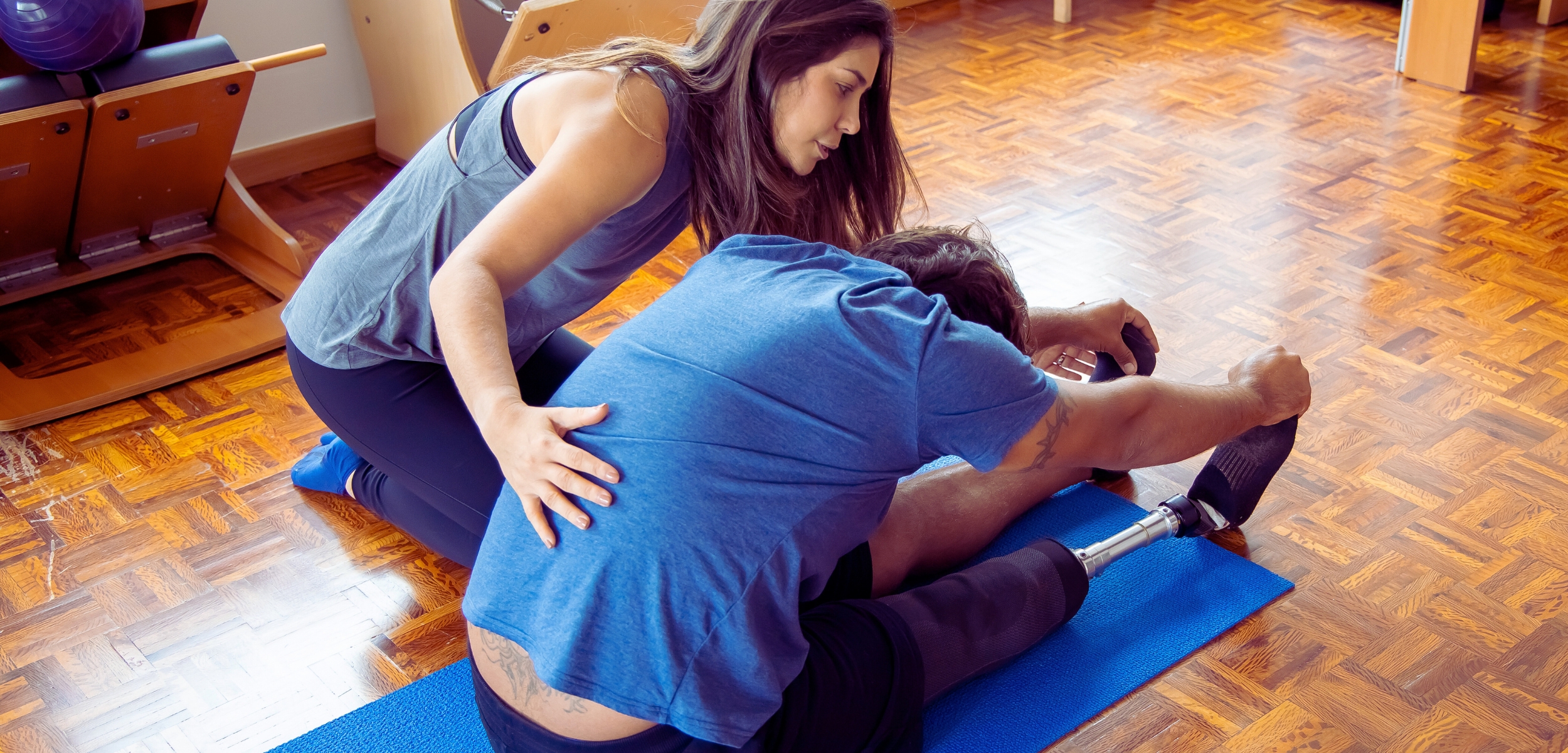
What Does a Health and Wellbeing Coach Do?
These are the main things a health and wellbeing coach does:
- Run one-to-one and group sessions to give support and guidance.
- Help clients set simple, realistic health goals.
- Guide changes in daily life, like eating, exercising, sleeping, and managing stress.
- Use easy coaching tools, like goal-setting and motivational techniques.
- Teach ways to build healthy habits that last.
- Give advice on nutrition, fitness, and making healthy choices.
- Look at the whole life of a person, including work and relationships.
- Work with social prescribing and clinical teams to improve health results.
- Cooperate with other health professionals to include their care plans in daily life.
What Skills Do You Need to Be a Health and Wellbeing Coach?
What you need to be a health and wellbeing coach:
- Clear communication: Speak in a friendly, caring way that people understand.
- Coaching for change: Inspire and guide people to build new, healthy habits.
- Safeguarding: Keep people safe and know how to support them properly.
- Organised record-keeping: Track progress and keep accurate notes.
- Teamwork: Work smoothly with other staff in GP surgeries, PCNs, and community services.
If you’d like to explore this role more and look into training options, you might find the blog titled “Top 10 Ways to Become the Best Health and Wellbeing Coach” on the Unified Course website useful.
Do You Need Qualifications to Become a Health and Wellbeing Coach?
No, you do not need a specific degree to become a health and wellbeing coach. So, what do you need, actually?
Employers usually want you to finish PCI-accredited health coaching training. You also need to show that you can use the Personalised Care model in your work. Many jobs ask for Level 3 or higher health or coaching qualifications. These courses prepare you to guide others in making healthy changes.
What Training Courses Are Available?
The Personalised Care Institute (PCI) offers training to become a health and wellbeing coach. For example, a popular course is the 4-day Health & Wellbeing Coaching program. They also have shorter courses on shared decision-making, motivational interviewing, and support planning. These courses help you learn how to guide and support people in GP surgeries, PCNs, and community services. Completing PCI training also shows employers and the NHS that you meet the required standards.
How Do You Start Working as a Health and Wellbeing Coach?
To start working as a health and wellbeing coach, you can apply to local PCNs or GP federations. Many of these jobs are paid through the ARRS, and they also include supervision to help you learn. It is important to make a portfolio with practice notes and case reflections. This shows your experience and skills, and it follows the NHS workforce framework. Doing this can make it easier to get a job and grow in your career as a health and wellbeing coach.
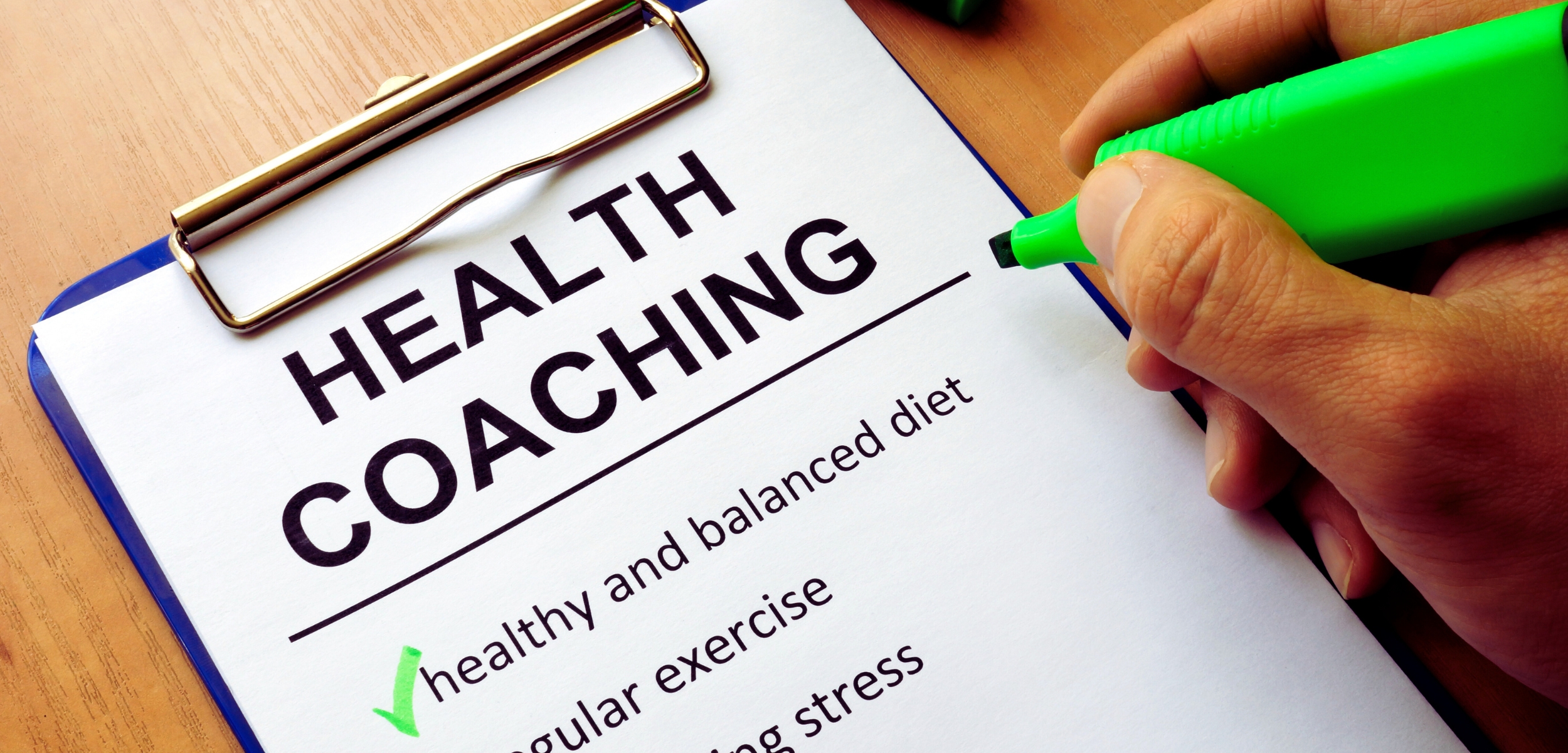
How Do You Start Working as a Health and Wellbeing Coach?
To start your career, apply to local PCNs or GP federations. Many of these jobs are paid through the ARRS, and they also include supervision to help you learn. It is important to make a portfolio with practice notes and case reflections. This shows your experience and skills, and it follows the NHS workforce framework. Doing this can make it easier to get a job and grow in your career as a health and wellbeing coach.
Where Do Health and Wellbeing Coaches Work?
Health and wellbeing coaches help people in many places. They often work with social prescribing link workers and care coordinators to give better support under the personalised care model. Their common workplaces are:
- GP practices – Help patients in doctors’ clinics.
- PCNs (Primary Care Networks) – Work with a group of local GP practices.
- Community providers – Support people through local health and wellbeing services.
- Local authorities – Work in government programs that help the community.
- Charities – Help people through non-profit organisations focused on health and wellbeing.
How Much Do Health and Wellbeing Coaches Earn?
Health and wellbeing coaches usually earn between £28,400 and £34,600 per year. Most jobs are Band 5, but some can be Band 6 if you have more experience or extra duties. NHS data shows the average salary is around £26,000 to £34,000. These jobs are part of the ARRS (Additional Roles Reimbursement Scheme), which allows PCNs to get back part of the salary costs. The exact amount may change each year.
Is Health and Wellbeing Coaching a Good Career?
Yes, health and wellbeing coaching is a strong and growing career. Right now, the NHS focuses more on prevention and recovery, so the need for coaches is increasing. You can start as a coach and move into senior roles or become a team leader. You can also specialise in areas like long-term conditions, weight management, or mental wellbeing. Another option is to work in care coordination and help improve local health services. Every day, you get to help people feel healthier, happier, and more confident. This makes the job very rewarding and meaningful.
Career Progression and Growth Opportunities
Being a health and wellbeing coach gives you plenty of ways to progress. Most coaches start in Band 4–5 roles in GP surgeries, PCNs, or community services. As you gain experience, you can move to Band 6 or take on senior roles with more responsibility.
You can also focus on areas like mental health, long-term conditions, weight management, or lifestyle medicine. Some coaches become team leaders, trainers, or service coordinators, helping guide new staff and plan programs. There are also chances to work independently as a freelance or private coach, which can increase your earnings. These steps show that this career has strong long-term opportunities.

Key Challenges as a Health and Wellbeing Coach
Being a health and wellbeing coach is rewarding, but it has some challenges:
- Helping clients with complex health needs – Some clients have more than one health problem.
- Managing many clients at the same time – Coaches often work with different people in a day.
- Keeping clear notes and records – It is important to track each client’s progress.
- Working with limited time and resources – NHS time and tools can be limited.
- Balancing coaching with teamwork – Coaches need to work well with other staff while helping clients.
Final Thoughts
Being a health and wellbeing coach means learning new skills, gaining knowledge, and helping people. To start, complete PCI-accredited training and understand the NHS workforce framework. After that, apply for Band 4–5 PCN roles to gain real experience and supervision.
At the same time, combine your coaching skills with knowledge of local services and support. Combine your coaching skills with knowledge of local services and support. This combination makes you confident and effective. Step by step, it builds a strong foundation for a career where you can truly help people improve their health and wellbeing.
Ready to help people feel better? Join the Diploma in Health and Wellbeing at Unified Course and start your journey as a confident coach today.
FAQs
What qualifications do I need to be a health and wellbeing coach?
You need PCI-accredited health coaching training. Many roles ask for Level 3 or higher health or coaching qualifications.
How much does a health and wellbeing coach earn?
Most earn between £28,400 and £34,600 per year. Some roles can be Band 6 depending on experience.
What band is a health and wellbeing coach?
Typically Band 4–5, but some roles can be Band 6.
What schooling do you need to be a health coach?
No specific degree is needed, but health coaching training is required.
Can you be a coach without qualifications?
You can start, but employers usually want accredited training to hire you.
How long does it take to be a health and wellness coach?
Most PCI courses take 4 days. Gaining experience and building a portfolio may take longer.
Can you make money as a health and wellness coach?
Yes, it is a paid career, and you can earn around £26k–£34k in NHS roles.