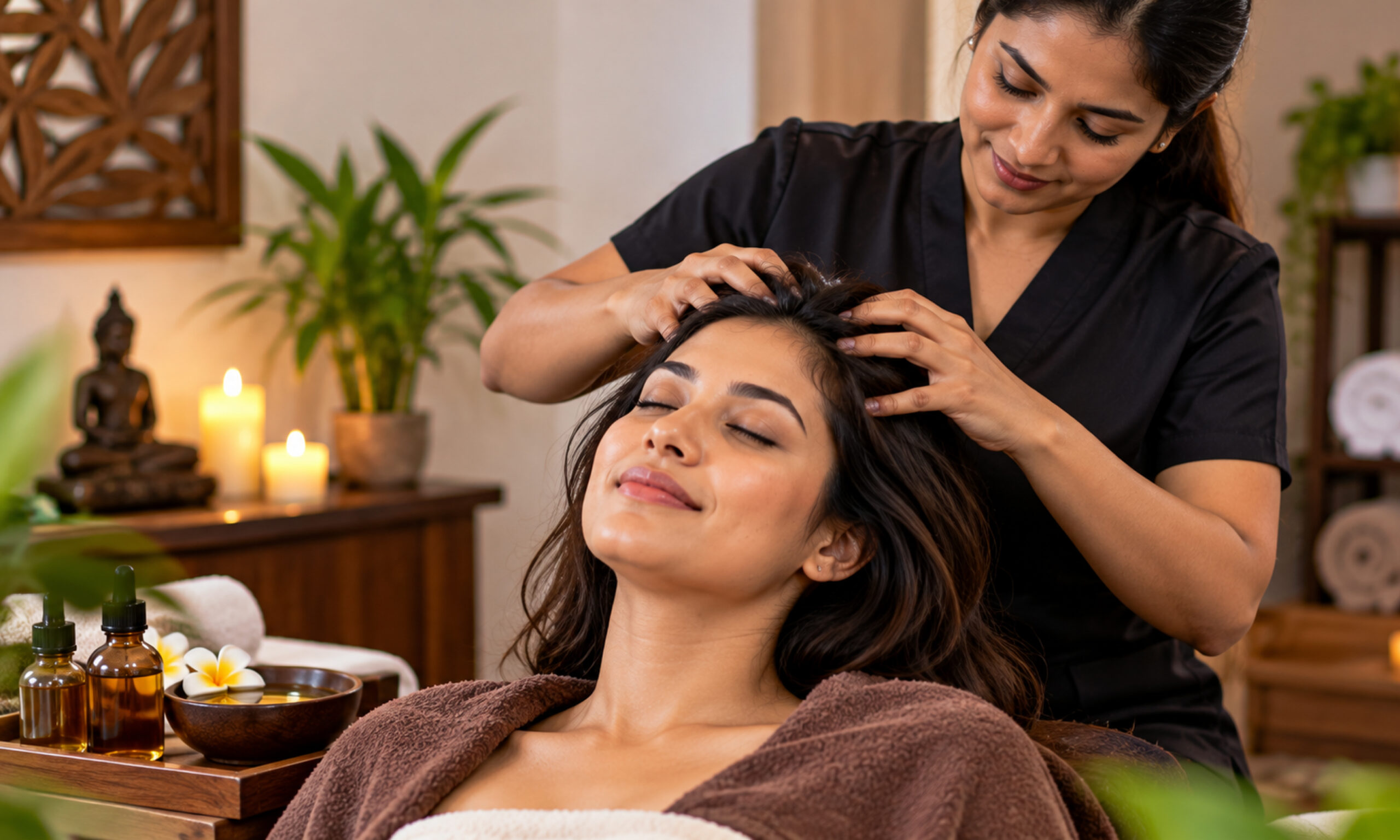
The 10 benefits of reflexology make this gentle therapy a popular choice for relaxation and self-care. Reflexology uses light pressure on certain points of the feet, hands, ears and face. These points link to different parts of the body according to reflexology theory. The therapist gently works on each area with their fingers and thumbs. The treatment aims to help you relax and feel more comfortable. It supports a healthy balance between the mind and body. Many people enjoy reflexology as a peaceful break from a busy day. But what can you actually gain from a session?
Let’s explore the main benefits and see why so many people choose reflexology.
What Is the 10 Benefits Reflexology And How Does It Work?
Imagine having a quiet moment where you can simply relax and switch off. That is one reason many people enjoy reflexology. It is a gentle therapy that focuses on certain points on your feet, hands or ears.
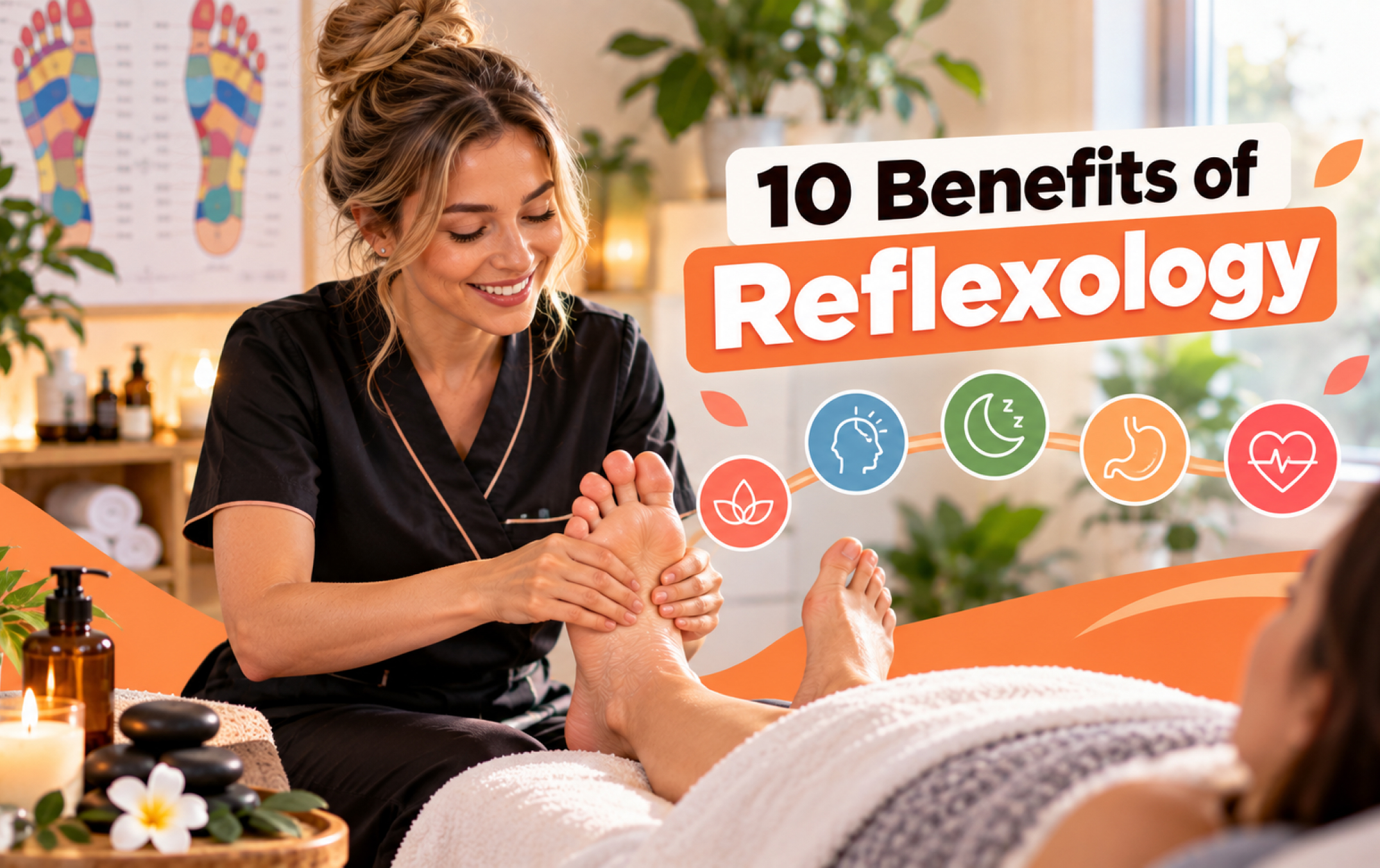
According to reflexology theory, certain points link to different body areas. The therapist uses gentle pressure on these points with their thumbs and fingers. Many people find this relaxing.
But reflexology is not just about your feet or hands. It takes a whole-body approach. It focuses on your mind and body together. Many people use it as a way to relax, ease daily stress and enjoy some peaceful time for themselves.
What Are the 10 Benefits of Reflexology?
Reflexology can be a lovely way to slow down and give yourself a break. But what can you actually gain from a session? Here are 10 possible benefits to know about.
1. Can Help Reduce Stress
Do you often feel stressed after a busy day? Reflexology can give you time to stop and relax. Gentle pressure may help your body and mind feel calmer.
2. May Help With Everyday Aches
Aches can make even simple tasks feel harder. Reflexology may help you feel more comfortable. The gentle pressure can also feel soothing and relaxing.
3. May Support Better Blood Flow
Reflexology uses gentle pressure and massage movements. These movements may help you feel warm and relaxed. Good circulation also plays an important role in general health.
4. May Help You Sleep Better
A busy mind can make it hard to sleep. Reflexology may help you relax before bedtime. Feeling calmer can make it easier to settle down and rest.
5. Can Help Improve Your Mood
Stress can quickly affect your mood. Taking time for yourself can help you feel better. A relaxing reflexology session may leave you feeling calm and refreshed.
6. Helps You Relax
Your body needs time to rest after a busy day. Reflexology creates a calm space where you can switch off. This deep relaxation can help you feel more at ease.
7. May Support Your General Wellbeing
Looking after yourself matters. Reflexology can become part of your self-care routine. It gives you time to relax, rest and recharge.
8. Can Help You Feel Refreshed
Sometimes, you simply need a proper break. Reflexology gives you time away from daily tasks. After a session, you may feel rested and refreshed.
9. May Support Comfortable Digestion
Stress can sometimes affect your stomach and digestion. Reflexology may help you relax when you feel uncomfortable. However, it should not replace medical treatment for digestive problems.
10. Supports Mind And Body Wellbeing
Reflexology takes a whole-body approach. It focuses on relaxation for both the mind and body. This makes it a popular choice for people who want to feel calmer and take better care of themselves.
Are the Benefits of Reflexology Scientifically Proven?
You may wonder, “Does reflexology really work?” It is a fair question. Researchers have studied reflexology to learn more about its effects. Some studies suggest that it may help people relax and feel less stressed.
However, the research has some limits. Some studies included only a few people. Other studies showed mixed results. So, we still need more research to understand its benefits.
Most importantly, reflexology cannot cure or diagnose illnesses. Think of it as a way to relax and support your wellbeing. It may help you feel calmer and more comfortable.
If you have a health problem, speak to your doctor. You can enjoy reflexology as part of your self-care. Just use it alongside proper medical care, not instead of it.
How Often Should You Have Reflexology?
There is no set number of reflexology sessions for everyone. Your needs, routine and comfort can all affect how often you have it.
Some people book a session once in a while. For example, you may choose reflexology after a busy week when you need some quiet time. You may also book a session when you simply want to relax.
Others enjoy reflexology as part of their regular self-care. They may have a session each week, every two weeks or once a month. However, you do not need to follow a strict plan.
Your own comfort matters most. If you enjoy regular sessions, you can keep a routine that suits you. If you prefer occasional visits, that works too.
You can also talk to your therapist about your needs. They can help you choose a routine that feels comfortable. Most importantly, listen to your body and give yourself time to rest.
What Happens When You Have Reflexology?
If you have never tried reflexology before, you may wonder what happens. Don’t worry. A session usually feels calm and peaceful.
- Before the session: Your therapist may ask how you feel and what you want from the session. You can also mention any sore or sensitive areas.
- Getting comfortable: You sit or lie down in a comfortable place. The therapist may clean your feet or hands before they start.
- Gentle pressure: The therapist uses their thumbs and fingers to press certain points. They may also use small circles and gentle massage movements.
- Different feelings: Some areas may feel more sensitive than others. The pressure should feel comfortable. Tell your therapist if it feels too strong.
- Time to relax: You can simply relax during the session. Many people enjoy the quiet time and gentle touch.
- After the session: A typical session may last around 30 to 60 minutes. Afterwards, take a few minutes to rest. You may feel calm, rested or refreshed.
Who Can Try Reflexology?
Reflexology can be a lovely way to slow down and relax. Many people enjoy it when they feel tired, stressed or simply need a break. It gives you some quiet time to focus on yourself.
People who have busy lives may enjoy reflexology. A calm session can help you step away from daily tasks for a while. The gentle pressure may also help you feel more relaxed and comfortable.
Reflexology can also suit people who enjoy self-care. You may choose it as part of your regular routine. Some people have a session now and then, while others enjoy it more often.
However, reflexology may not suit everyone. If you have a health problem, talk to your doctor before trying it. It also helps to tell your therapist about any health concerns you have. Finally, choose a trained therapist for your session. Let them know if the pressure feels too strong or uncomfortable. Your comfort and safety should always come first.
When Should You Skip Reflexology?
Reflexology can help you relax. However, it may not suit everyone. Some people need extra care before they try it. If you have a cut, wound or skin infection, wait until it gets better. You should also avoid reflexology if you have a recent injury. Pressure on the area may cause pain.
Speak with a healthcare professional before having reflexology during pregnancy. They can tell you if reflexology is right for you. You should also speak to a doctor if you have a serious health problem. This can help you avoid any possible risks. Always tell your therapist about any health problems you have. If you feel unsure, ask your doctor first. Your safety and comfort should always come first.
Is Reflexology The Same As A Foot Massage?
Reflexology and foot massage can feel quite similar. Both use touch and pressure on your feet. However, they have different aims.
What Is The Difference Between Reflexology And Foot Massage?
|
Reflexology |
Foot Massage |
|
Focuses on specific points on the feet. |
Focuses on the feet themselves. |
|
Uses pressure on certain points. |
Uses rubbing, pressing and kneading. |
|
Reflexology theory links points to other body areas. |
Mainly works on tired or tight feet. |
|
Aims to support relaxation and general wellbeing. |
Aims to relax and soothe the feet. |
|
A therapist follows specific reflex points. |
A therapist can work across the whole foot. |
Which One May Suit You?
Reflexology may suit you if you want to try a treatment that focuses on certain points. You may enjoy it if you like gentle pressure and quiet time.
A foot massage may suit you if your feet feel tired after a long day. It can also feel nice after standing or walking for many hours. Both treatments can help you relax. So, think about what you want from your session. If you are unsure, ask a trained therapist for advice.
Final Words
Reflexology can be a simple way to relax and take a break. The 10 benefits of reflexology Course may include less stress, better sleep, a better mood and improved wellbeing. However, it may not work the same way for everyone. Reflexology should not replace medical care. If you have a health problem, speak to your doctor first. Also, choose a trained therapist for your session. Most importantly, make sure you feel safe and comfortable. With the right care, reflexology can be a nice part of your self-care routine.
FAQs About 10 Benefits of Reflexology
1. What can reflexologists tell from your feet?
A therapist may feel tender spots while working on your feet. However, only a healthcare professional can diagnose an illness.
2. What should you not do after reflexology?
Avoid strenuous activity straight away. Drink water and give yourself some time to relax.
3. How long do the effects of reflexology last?
The relaxing feeling may last for a few hours or longer. It varies from person to person.
4. What does a reflexologist do to your body?
Reflexology uses gentle pressure on selected points of the feet, hands and ears. This aims to promote relaxation and wellbeing.
5. How often should you do reflexology on your feet?
There is no fixed schedule. Some people have sessions weekly, every two weeks or once a month.
6. Can a reflexologist tell if you are ill?
No. A reflexologist cannot diagnose illness. Ask your doctor for advice if you have health problems.