



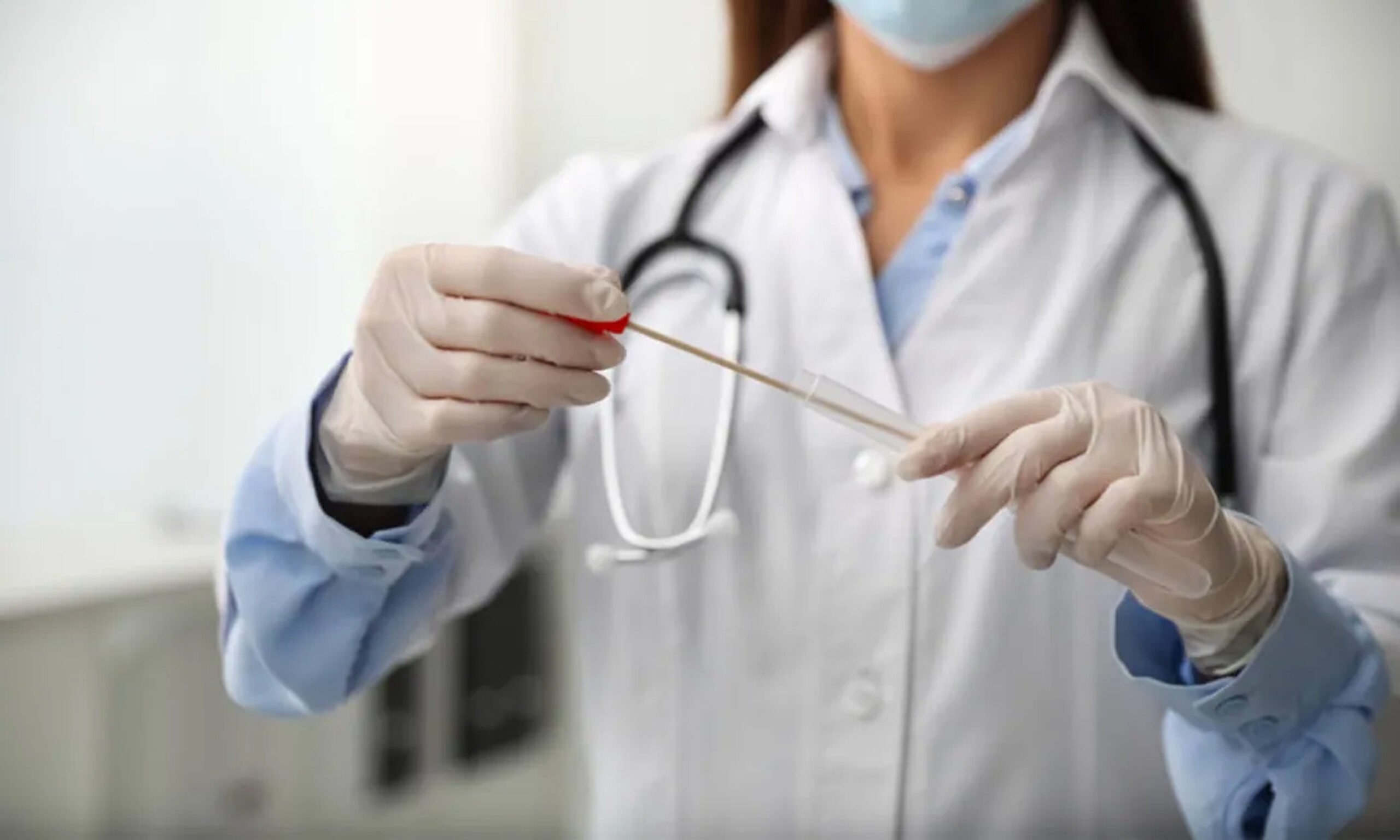
Forensic nursing is nursing with a legal job attached, and our forensic nursing training covers both sides of it. You treat the patient in front of you. You also document injuries, preserve samples and write notes that may be read aloud in court two years later.
That double duty shapes the whole job. A forensic nurse is often the first person a patient really opens up to. Everything from that conversation gets written down. Months later it may be the only record of what happened. The course works through both halves, from checking wounds and handling samples to giving evidence as a witness.
Forensic Nursing Training includes:
- 100% online learning
- Instant certificate
- Short, simple lessons
- Boosts your CV
- Free assessment retakes
- Learn at your own time
- No hidden fees
- Written by experts
Seventeen modules run from the basics through to court work, online, across a few hours. Access stays open for life, which helps when you meet a case you have not seen.
What You Will Learn in This Forensic Nursing Training
The course runs across seventeen modules. By the end you will be able to:
- Describe where forensic nursing fits in UK healthcare.
- Apply forensic science at the bedside.
- Recognise why a survivor's account can change between the first interview and the second.
- Respond without leading someone toward an answer.
- Assess wounds, then write down exactly what you saw.
- Support survivors of sexual violence and partner abuse.
- Identify child maltreatment and elder abuse.
- Work safely inside secure mental health units.
- Follow record-keeping standards that hold up when a defence barrister goes through them line by line.
- Prepare to give evidence in court.
- Understand what actually happens during a death investigation.
- Contribute to local violence reduction work.
Certificate and Accreditation
Pass the quizzes, and your Certificate of Completion is free to download. A printed copy costs a small fee by post.
Be clear on what it does, though. The certificate shows what you know. It will not get you a forensic post by itself. NHS roles want NMC registration, clinical experience behind you and sign-off on the job.
Why Does This Forensic Nursing Training Matter?
Forensic nurse UK posts sit in sexual assault centres, police custody suites, prisons and secure mental health units. In all of them the clinical work and the evidence work happen together. You might dress a wound and photograph it in the same visit. Get the photograph wrong and the treatment still stands, but the case gets harder.
How the Course Helps You Stay Prepared
The hard part is rarely the clinical side. You will know what to do when you need to:
- Take a disclosure without leading the account.
- Write up injuries in words a court can use.
- Sit with someone who has not decided whether to report without pushing them either way.
- Work alongside police without losing your duty of care.
- Notice when a colleague is struggling.
- Protect your own wellbeing after a bad shift.
Who Is This UK Course For?
Nurses use forensic nursing UK training to see whether the field suits them before applying to a SARC. Student nurses take it because three years of training barely touches this work. Custody staff and safeguarding leads sign up too. You need to be 16 or over with good English.
Assessment Procedure
A short quiz follows each module. You need at least 60% to move on. Finish every module this way and your certificate is unlocked.
Build the Knowledge Forensic Practice Demands!
Our forensic nursing training covers the clinical side, the record-keeping and the trauma-informed approach this field runs on. Seventeen modules, one certificate and enough background to judge whether the work suits you. Enrol now.
FAQs About Forensic Nursing Training
1. What qualifications do I need to be a forensic nurse?
- NMC registration as a nurse first then forensic training and supervised competency assessment in post.
2. How do you become a certified forensic nurse?
- Qualify as a nurse, build clinical experience, then apply to a SARC and train on the job.
3. How long would it take to become a forensic nurse?
- A nursing degree takes three years. Forensic competency follows after further clinical experience.
4. Can an RN become a forensic nurse?
- Yes. Most came from sexual health, A and E or custody nursing first.
5. How hard is forensic nursing?
- It is demanding clinically and heavy emotionally. Supervision matters far more than most people expect when they apply.
Curriculum
-
- Module 01: What Is Forensic Nursing? 00:25:00
- Module 01 Final Quiz – What Is Forensic Nursing? 00:10:00
-
- Module 02: Forensic Science 101 00:30:00
- Module 02 Final Quiz – Forensic Science 101 00:10:00
- Module 03: Neurobiology of Trauma 00:30:00
- Module 03 Final Quiz – Neurobiology of Trauma 00:10:00
- Module 05: Theories of Violence: Victimisation and Perpetration 00:25:00
- Module 05 Final Quiz – Theories of Violence: Victimisation and Perpetration 00:10:00
- Module 07: Murder, Assualt and Battery, Stranger Danger 00:35:00
- Module 07 Final Quiz – Murder, Assualt and Battery, Stranger Danger 00:10:00
- Module 09: Sexual Violence 00:25:00
- Module 09 Final Quiz – Sexual Violence 00:10:00
- Module 11: Elder Abuse 00:15:00
- Module 11 Final Quiz – Elder Abuse 00:10:00
- Module 13: Death Investigation 00:30:00
- Module 13 Final Quiz – Death Investigation 00:10:00
- Module 15: Forensic Documentation and Testimony 00:35:00
- Module 15 Final Quiz – Forensic Documentation and Testimony 00:10:00
- Module 17: Community Violence Intervention Programs 00:20:00
- Module 17 Final Quiz – Community Violence Intervention Programs 00:10:00
Price
Study Method
Online
Free Certificate
CPD Certified
Duration
11 hours, 40 minutes