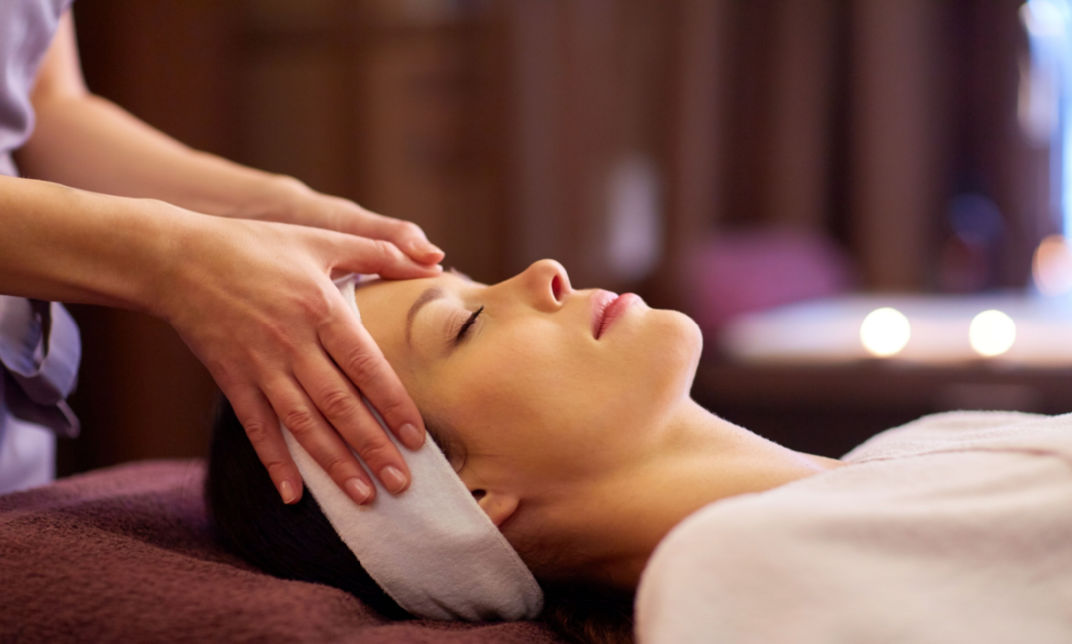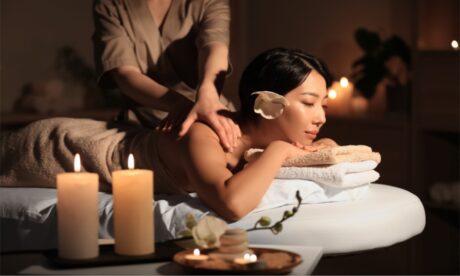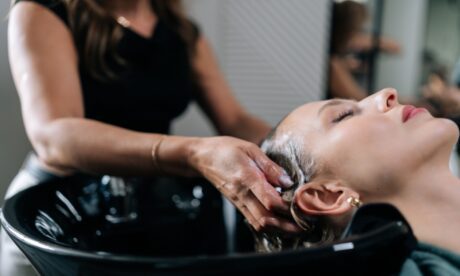
Life in the UK can feel very fast and busy. You might rush to catch a morning bus. Perhaps you work long hours at a difficult job. This constant movement makes your body feel tired. Your mind might feel full of worry and noise. Therefore, many people look for simple ways to relax. They want to feel calm and peaceful again. One popular choice is the traditional Indian head massage. This treatment is gentle, soothing, and very effective. In this guide, we explore the benefits of an Indian head massage.
We will look at how it helps your body. We will also see what experts say about it. It is important to know the facts first. This massage is not a medical cure for disease. However, it is a great way to support wellbeing. It is often used alongside regular medical care.
Understanding the Benefits of an Indian Head Massage for Pain Relief
Stress is a huge problem for adults today. Recent UK surveys show some worrying numbers. Around 63% of adults feel stressed every single week. This is a very large part of the population. Also, about 60% feel stressed five days a month. This stress stays in the body and causes pain. It can also stop you from sleeping well.
Globally, about 16% of adults suffer from insomnia. They lie awake at night feeling very tired. Headaches are also a very common issue. Tension-type headaches affect 30% to 40% of adults worldwide. These problems make daily life hard to enjoy. That is why the benefits of Indian head massage matter. It offers a natural way to find relief.
What to Expect in This Post
We will explain what this massage actually is. We will look at how it works physically. You will learn about its effect on sleep. We will also discuss headaches and hair health. The goal is to give you clear answers. We want you to understand this therapy better.
What Is an Indian Head Massage?
You might hear people call this “Champissage“. It is a treatment with a long history. It comes from Ayurveda, an ancient Indian system. Families in India have used it for centuries. Traditionally, it was a way to care for hair. Mothers would massage their daughters’ scalps with oil. Today, it is popular in many UK clinics. Even some NHS services offer it to patients.
Areas Treated During a Session
The massage focuses on the upper body parts. These are the places where we hold tension.
- The Upper Back: Stress often sits here.
- The Shoulders: These muscles get very tight.
- The Neck: Poor posture hurts this area.
- The Scalp: This is the main focus.
- The Face: Gentle touches help relax you.
Common Techniques Used
The therapist uses their hands in special ways. They use a mix of gentle pressure. They might also use a kneading motion. Sometimes, they press on specific acupressure points. Rhythmic strokes help to calm your mind down. The session is usually very easy for you. You do not need to lie on a bed. You can sit comfortably in a chair. Also, you can often stay fully clothed.
A Typical Session Length
Most sessions are quite short and convenient. Hospital info sheets often quote 30 to 45 minutes. This makes it easy to fit into a day. Before you start, you will have a consultation. The therapist checks that it is safe for you.
Its Role in Healthcare
The NHS calls this a “complementary therapy“. This means it goes along with other treatments. It is used to support relaxation and well-being. It does not replace your doctor’s advice. However, the benefits of the Indian head massage are valuable. It helps you feel better in yourself.
How Does an Indian Head Massage Work?
It helps to know what happens physically. The massage does not just feel good. It changes things inside your body, too.
Mechanical Action on Muscles
Imagine your muscles are like rubber bands. When you are stressed, they get tight. They become short and hard like knots. The massage movements work on these soft tissues. The therapist rubs and kneads the tight spots. This mechanical action warms up the stiff muscles. It helps them stretch back to their normal shape. This is why your shoulders feel lower afterwards.
Effects on the Nervous System
The touch also sends signals to your brain. Gentle, repetitive pressure is very calming for nerves. It stimulates the “parasympathetic nervous system“. This is the body’s “rest and digest” mode. When this turns on, your heart slows down. Your breathing becomes deeper and more regular. You stop feeling like you need to fight. This shift is one of the key advantages of an Indian head massage.
Circulation and Lymph Flow
The rubbing action helps fluids move better. NHS descriptions say it “stimulates circulation“. This brings fresh blood to the upper body. Blood carries oxygen to your tired cells. The massage may also support lymphatic drainage. The lymph system cleans waste from your body. Moving this fluid reduces feelings of heaviness. You might feel lighter and fresher afterwards.
Joint and Mobility Effects
Finally, it helps your joints move freely. Tight neck muscles stop you from turning. By releasing the muscles, the joints open up. This improves your mobility in the neck area. It can ease the strain from desk work. While studies mostly look at general massage, the logic holds. The physical actions lead to physical relief.
If you want to understand more about how and why Indian head massage works, check out the blog “Indian Head Massage: The Ultimate Way to Soothe and Relax” for a deeper look at its physical, nervous system, and wellbeing effects.
What Are the Health Benefits of an Indian Head Massage?
There are many reasons people choose this therapy. It helps with both the mind and body. Here is a high-level overview of the good points.
Main Advantages to Know
- Relaxation: It reduces muscle tension quickly.
- Stress Relief: It improves your mood effectively.
- Headache Help: It eases tension-type headaches.
- Better Sleep: It helps you rest more deeply.
- Scalp Health: It creates a healthy skin environment.
Subjective Feelings
People often report feeling very calm afterwards. They feel more mentally clear and focused. The brain fog seems to go away. This is one of the top benefits of the Indian head massage.
Support in Care Settings
Head massage is used in cancer care centres. It is also used in mental health services. Thus, it helps patients find a moment of peace. Also, supports them through difficult medical treatments.
Short-Term vs Long-Term
The evidence is strongest for short-term relief. You feel better right after the session. It is not usually a cure for disease. However, regular sessions can help manage stress.
Does It Help Reduce Stress and Anxiety?
Stress is a feeling we all know. Anxiety is also very common in the UK. Data shows 22% to 23% of adults have high anxiety. This can make life feel very hard. Finding a way to stop the worry is important.
- What Hospitals Say: NHS centres describe this as a “calming treatment”. They use it to help people relax deeply. It supports emotional well-being during hard times. When the body relaxes, the mind follows.
- Research Findings: Studies on head massage show promising results. One 2016 study looked at female participants. They received a scalp massage for 15 minutes. The study found their blood pressure went down. Lower blood pressure suggests lower stress levels. The body moves away from the “panic” state.
- How It Feels for You: Reviews of massage therapy show lower anxiety scores. People feel less on edge after treatment. The massage gives you a “time-out” from life. You stop looking at your phone screens. Besides, you stop worrying about work or bills. As a result, you focus only on the gentle touch. This break is vital for your mental health.
- Phrasing the Benefit: Therefore, the benefits of the Indian head massage include calmness. It promotes deep relaxation for the mind. It eases the physical signs of anxiety. However, results vary between different people. It does not replace therapy for anxiety disorders. But it is a very helpful tool.
Can Indian Head Massage Improve Sleep?
Sleep is essential for a healthy life. Yet, many people do not get enough. About 10% of adults have chronic insomnia. Up to 30% have sleep problems sometimes. If you cannot sleep, you feel terrible.
- Reports from Services: NHS services report positive effects on sleep. They say massage “improves sleep and relaxation.” This is common in oncology care settings. Patients often feel too worried to sleep. The massage helps them settle down comfortably.
- Why It Works: The mechanism is quite simple to understand. To sleep, your arousal level must drop. If your neck hurts, you stay awake. If your mind races, you stay awake. The massage lowers tension in the shoulders. It signals the brain to be quiet. This makes falling asleep much easier.
- Part of a Routine: Stress reduction leads to better sleep quality. The advantages of an Indian head massage include this “wind-down“. It helps you transition into a sleepy state. It works well as a regular ritual.
- Realistic Expectations: It is not a cure for severe insomnia. If you have chronic sleep issues, see a doctor. However, for mild sleep problems, it helps. It may make it easier to drift off. It helps you sleep more deeply, too.
Does It Help with Headaches and Tension?
Headaches are a pain in the neck. Literally, they often start in the neck. Tension-type headaches are extremely common globally. Studies show 30% to 40% of people get them.
- Trigger Points and Pain: These headaches often come from tight muscles. We call these tight spots “trigger points”. They can send pain up to the head. Clinical trials show that massage can help with this. Focusing on the neck reduces headache frequency. It can also make the pain less intense.
- Claims from Clinics: NHS trusts repeatedly mention this specific benefit. They say Indian head massage eases tension headaches. It also helps reduce neck and shoulder tightness. This tightness is often the root cause. By fixing the neck, the head feels better.
- Helping Eye Strain: It can also help with eye strain. If you stare at screens, this helps. The massage relaxes the face and temples. This eases the pressure around your eyes.
- How to Phrase It: By loosening tight muscles, pain decreases. The treatment calms the whole nervous system. Thus, one of the benefits of Indian head massage is pain relief. It is great for stress-related headaches. However, be careful with new, severe pain. Always check with a doctor for unusual headaches. But for daily tension, it is wonderful.
Can It Boost Blood Circulation?
Good blood flow is vital for health. Blood carries food to your body’s cells. It also carries away waste and toxins.
- Local Circulation Effects: Many descriptions mention this key benefit. NHS pages say it “improves blood flow.” This happens in the head and neck. When skin is rubbed, it gets warm. This warmth brings blood to the surface.
- Research Evidence: The 2016 study supports this idea too. The drop in blood pressure suggests changes. Vascular relaxation improves general blood circulation. This is a healthy response to touch.
- Nourishment for Tissues: This increased flow helps your tissues. It helps muscles repair after a long day. Also, it reduces that stiff, cold feeling and brings oxygen to the scalp area.
- How to Frame It: The treatment likely increases local blood flow. It helps the treated areas feel alive. This is one of the benefits of Indian head massage. It supports tissue nourishment in the upper body. However, it is a short-term effect. It is not a cure for heart disease. It is simply a healthy, natural boost.
Does It Improve Scalp and Hair Health?
Everyone wants hair that looks healthy. In traditional Indian culture, this is key. Head-oil massage is a beauty ritual. It has been used for many generations.
- Modern Explanations: Clinics still promote this benefit today. They say it aids the scalp’s condition. It creates a healthy place for hair. The massage distributes natural oils well. These oils coat the hair shaft. This can make hair look shiny.
- Relevant Research: A small 2016 study found interesting results. It looked at nine men over 24 weeks. They had daily scalp massages for four minutes. The result was increased hair thickness. This was likely due to mechanical stimulation. The massage woke up the hair follicles.
- Presenting the Facts: The benefits of Indian head massage go beyond relaxation. It supports healthy scalp circulation, eases tension in the skin, and helps spread natural oils for a smooth, healthy shine.
- Honest Limitations: However, the evidence is quite limited. The studies are often very small. It won’t reverse all hair loss. For example, it cannot fix genetic baldness. But it can help what you have. It makes the scalp a better environment.
Who Can Benefit from Indian Head Massage?
You might wonder if this is for you. The answer is usually yes, it is. It helps many different types of people.
People Who Need It
- Desk Workers: Sitting all day hurts the neck.
- Students: Studying causes lots of stress.
- Carers: Looking after others is tiring work.
- Headache Sufferers: It eases tension-type pain.
- Poor Sleepers: It helps build a relaxing routine.
Medical Contexts
Patients in hospitals also use it. NHS teams use it for mental health. It provides comfort and improves mood. It is a gentle way to feel cared for.
Safety Checks
Hospital leaflets emphasise a consultation first. You must check if it is suitable.
- Check if you had a recent surgery.
- Be careful with head or neck injuries.
- Avoid it if you have scalp infections.
- Check with a GP for heart issues.
Complementary Nature
This therapy supports your well-being, but it doesn’t replace medical treatment. It works alongside your doctor’s guidance and serves as a practical tool for everyday self-care.
Final Thoughts on Indian Head Massage Benefits
In short, Indian head massage is like a gentle hug for your nervous system. Rooted in Ayurveda, it offers a quiet escape from busy days. Many people find it helps melt away stress, ease tight muscles, and soothe headaches. Embracing the benefits of Indian head massage is a lovely way to show yourself some kindness.
Just keep your hopes realistic. Think of this as a comforting boost rather than a magic cure. It fits perfectly into your self-care plan when life feels heavy. While it won’t fix every problem, it gives you a precious moment of calm to recharge your body and mind.
FAQs
1. What are the disadvantages of the Indian head massage?
- Minor side effects can include dizziness, temporary soreness or tiredness, especially if you’re sensitive to pressure.
2. How often should I get an Indian head massage?
- Once a week or once every two weeks is typical for general well-being.
3. How do you feel after an Indian head massage?
- Most people feel relaxed, lighter and calmer; some feel sleepy for a short while.
4. Is it safe to do an Indian head massage?
- Yes, when done by a trained practitioner. People with medical conditions should check with a doctor first.
5. What not to do after an Indian head massage?
- Avoid heavy exercise, alcohol and very hot showers for a few hours.
6. What 5 parts of the body are not allowed to be massaged?
- Genitals, breasts (without clinical consent), open wounds, areas with active infection and inflamed or swollen tissue.
7. Where not to massage the neck?
- Avoid direct pressure over the front of the neck and the carotid arteries on both sides.
8. What is the favourite body part to be massaged?
- The back and shoulders are the most commonly preferred areas.
9. Can a massage therapist massage the groin area?
- No. The groin area is not permitted and is always avoided for safety and professionalism.