
Bricklaying is a skilled trade that can provide a stable and rewarding career. Most people want to know how much do bricklayers get paid before choosing this profession. Actually, earnings can vary depending on experience, location, skills, and whether a bricklayer works for a company or as a self-employed professional. On average, bricklayers can earn between $53,000 and $67,000 (£25,000 to £45,000) per year, with experienced workers often earning more. Factors such as demand, project type, and regional wage differences can all affect income.
This guide explains bricklayer pay UK, salary structures, and what influences their earnings.
How Much Do Bricklayers Get Paid in the UK?
Bricklaying wages UK can earn a good income because their skills are always needed in construction. However, bricklayer salary can be different for each person. It depends on their skills, experience, location, and the type of work they do.
A beginner bricklayer usually earns around £22,000–£28,000 per year. At this stage, they learn new skills, improve their work and gain experience. With more experience, bricklayers can earn around £30,000–£45,000 per year. Experienced bricklayers can work on bigger projects and complete more difficult tasks.
Highly skilled bricklayers can earn £50,000 or more per year. They often have many years of experience and may work on specialist jobs or run their own business. Overall, bricklayer pay depends on where they work, how skilled they are and how much experience they have. Bricklayers in areas with more building work may also earn higher wages.
How Much Do Bricklayers Get Paid Per Hour in the UK?
Bricklayers in the UK earn different hourly rates depending on their skills, experience, and type of work. A beginner usually earns less, while skilled bricklayers can charge much higher rates.
- Apprentice bricklayers: Earn around £6.30–£8.00 per hour. They learn the trade, work with experienced workers and build their skills.
- New bricklayers: Usually earn around £10–£15 per hour. They gain experience and improve their confidence on building sites.
- Newly qualified bricklayers: Can earn about £18.19 per hour. They can complete standard bricklaying work on their own.
- Employed bricklayers: Those who work for a company usually earn around £18–£25 per hour. They may also get benefits like holiday pay and a pension.
- Self-employed bricklayers: In 2026, they can earn around £32–£40 per hour. However, they must pay for their own tools, transport, and other costs.
- Experienced bricklayers and business owners: Skilled workers who run their own business may charge £40+ per hour for larger projects.
Overall, bricklayer pay depends on experience, location, and demand. As bricklayers improve their skills, they often have more chances to earn higher wages.
How Much Can a Bricklayer Earn Per Day?
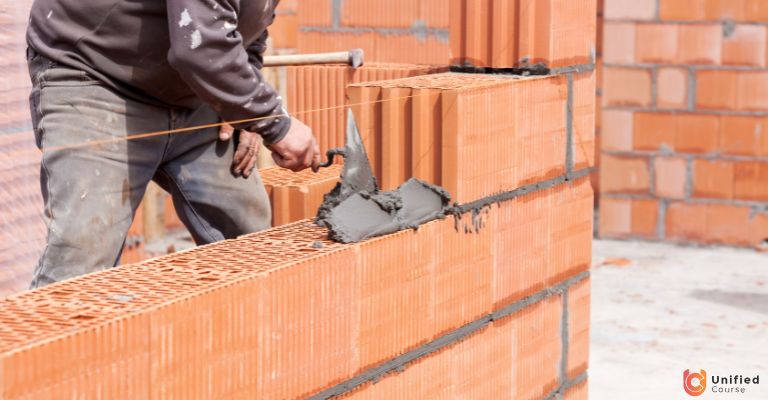
A bricklayer’s daily pay depends on their skills, experience, and the type of work they do. Some bricklayers work for a company, while others work for themselves.
- Employed bricklayers: Bricklayers who work for a company usually earn around £150–£200 per day. They get a regular wage and may also receive benefits like holiday pay and a pension.
- Self-employed bricklayers: Self-employed bricklayers can earn around £200–£250 or more per day. They can choose their jobs and set their own prices, which can help them earn more.
- Experienced bricklayers: Skilled bricklayers often earn higher daily rates because they can complete jobs faster and handle more difficult work.
However, self-employed bricklayers also need to pay for their own tools, transport, and other work costs.
What Factors Affect How Much a Bricklayer Gets Paid?
A bricklayer’s pay depends on several things. Experience, location, type of work and qualifications all play an important role. Some bricklayers earn more because they have strong skills, work in busy areas, or take on specialist jobs.
Does experience change a bricklayer’s salary?
Yes, experience can make a big difference to a bricklayer’s earnings. Beginners usually earn less because they are still learning the trade and building their skills.
- Beginner bricklayers: They earn less at the start because they need time to learn new skills and gain confidence.
- Experienced bricklayers: They can earn more because they work faster, complete better-quality work, and handle harder jobs.
As bricklayers gain more experience, they often get better job opportunities and higher pay.
Does location affect bricklayer pay?
Yes, location can affect how much a bricklayer earns. Pay rates are different across the UK. Cities like London often offer higher wages because there are more construction projects and a bigger demand for skilled workers. However, areas with fewer building jobs may offer lower pay.
Does the Type of Bricklaying Work Affect Earnings?
The type of work can also affect a bricklayer’s income. Different projects need different levels of skill.
- New builds: Working on new houses and buildings is a common type of bricklaying work.
- Commercial construction: Large projects like offices, shops, and other buildings may offer better pay.
- Restoration work: Repairing old buildings can pay more because it needs extra care and experience.
- Specialist brickwork: Detailed designs and unique brickwork can bring higher earnings.
Do Qualifications Increase a Bricklayer’s Pay?
Yes, qualifications can help bricklayers earn more. They show employers that a worker has the right skills and understands safety rules.
An NVQ qualification helps prove a bricklayer’s ability. A CSCS card allows workers to show they can work safely on construction sites. Health and safety training and specialist skills can also help bricklayers find better-paid jobs. Overall, bricklayers with more experience, better skills and the right training often have more chances to increase their earnings.
How Much Do Bricklayers Earn at Different Career Levels?
A bricklayer’s earnings usually grow as they gain more skills and experience. When someone starts their career, they may earn less because they are still learning the trade. However, with training, practice, and time, bricklayers can move into better-paid roles.
An apprentice bricklayer can earn around £10,000–£20,000 per year. At this stage, they learn basic bricklaying skills, work with experienced workers and gain confidence on building sites.
A newly qualified bricklayer can earn around £22,000–£30,000 per year. They have completed their training and can take on normal bricklaying jobs with more independence.
An experienced bricklayer can earn around £30,000–£45,000 per year. They have stronger skills, work faster, and can handle larger or more difficult projects.
A highly skilled bricklayer can earn £50,000 or more per year. These bricklayers often have many years of experience and may work on specialist projects, manage teams, or run their own business.
Overall, bricklaying can offer a good career path. The more skills and experience a bricklayer gains, the more chances they have to earn a higher income.
How Much Do Bricklayers Get Per Brick?
Some bricklayers get paid for each brick they lay. This is called piecework pay. Instead of getting paid by the hour, they earn money based on how much work they complete. The usual rate can be around £0.50–£1.50 per brick. The exact amount depends on the project, the type of brickwork, and the agreement with the employer.
Skilled bricklayers can often earn more because they work faster and create better-quality work. However, speed is not the only thing that matters. A bricklayer must also make sure every brick is placed correctly and safely.
The size of the job can also change a bricklayer’s pay. Large building projects may offer more chances to earn money because they need more bricks and more workers. Overall, payment per brick can be a good option for skilled bricklayers. Their earnings depend on their speed, experience, work quality and the size of the job.
Is Bricklaying a Good Career Choice in the UK?
Yes, bricklaying can be a good career choice in the UK. It can offer good pay and many job opportunities. Skilled bricklayers are needed because the UK is always building new homes and repairing old buildings.
One big benefit of bricklaying is good earning potential. As bricklayers gain more skills and experience, they can earn more money. Experienced workers can also take on bigger jobs and better-paid projects. Bricklaying also offers high demand in construction. There are many building projects across the UK, so skilled bricklayers can often find work.
Another benefit is the chance for self-employment. Many bricklayers choose to work for themselves. They can pick their own jobs, set their prices, and manage their own business.
However, bricklaying can be hard work. It is a physical job because workers lift heavy materials and spend many hours standing. Bricklayers also work outside, so they may face cold, rain, or hot weather. Some projects can be challenging and need extra time and effort.
Overall, bricklaying can be a rewarding career for people who enjoy hands-on work and want to build a long-term future.
How Can Bricklayers Increase Their Earnings?
Bricklayers can earn more money by improving their skills and gaining more experience. As they become better at their work, they can take on bigger jobs and higher-paid projects.
One way to increase earnings is to gain more experience. Skilled bricklayers can work faster, create better results, and handle more difficult tasks. Bricklayers can also learn new skills and techniques. Specialist work, such as restoration and detailed brickwork, can help them find better-paid jobs.
Some bricklayers become self-employed. They have more control over their work and prices. If they do a good job, more people may recommend them. Bigger projects can also bring higher pay.
Overall, bricklayers can earn more by improving their skills, gaining experience, and finding new work opportunities.
How Can You Become a Bricklayer?
You do not always need formal qualifications to become a bricklayer. However, training and practical experience can help you find a job more easily. There are a few simple ways to start a career in bricklaying.
- College courses: You can take a construction course to learn basic bricklaying skills. A Level 2 Diploma in Bricklaying can help you understand the trade. You can also study a T Level in On-Site Construction.
- Bricklaying apprenticeships: An apprenticeship is a good way to learn while you work. You get hands-on experience and earn money at the same time. A Level 2 Bricklaying Apprenticeship usually takes around two years. You may need some GCSEs, including English and Maths.
- On-the-job training: Some people start as a trainee or labourer on a building site. This helps them learn from skilled bricklayers and gain real work experience.
- CSCS card and safety training: To work on most construction sites, you need a CSCS card. However, you also need to pass the CITB Health, Safety and Environment test.
Overall, bricklaying is a hands-on career. With the right training, practice, and experience, you can build a successful future in this trade.
Conclusion: How Much Do Bricklayers Get Paid
Bricklaying can be a good career choice in the UK. A bricklayer’s pay depends on their skills, experience, location and type of work.
Beginners can earn around £22,000–£28,000 per year, while experienced bricklayers can earn around £30,000–£45,000 per year. Highly skilled bricklayers can earn £50,000 or more. Self-employed bricklayers may earn more because they can choose their jobs and set their own prices. However, they also have extra costs to manage.
Overall, bricklayers can build a high income with time and effort. Gaining experience, learning new skills, and getting qualifications can help increase earnings and create a successful career.
Frequently Asked Questions About Bricklayer Pay Rates
1. Do bricklayers earn good money?
- Yes, bricklayers can earn good money. Their pay depends on their skills, experience, location, and whether they work for a company or work for themselves.
2. How much should I pay a bricklayer per day?
- A bricklayer usually charges around £150–£250 per day in the UK. Experienced and self-employed bricklayers may charge more.
3. Can a bricklayer lay 1000 bricks a day?
- Yes, an experienced bricklayer can lay around 500–1000 bricks a day. The amount depends on the job, brick type, and working conditions.
4. Do bricklayers get paid £1 per brick?
- Some bricklayers get paid for each brick they lay. The usual rate is around £0.50–£1.50 per brick, depending on the project.
5. Is bricklaying a dead-end job?
- No, bricklaying is not a dead-end job. Bricklayers can learn new skills, earn more money, become self-employed, or start their own business.
6. Can a bricklayer earn £100k a year?
- Yes, it is possible, but it is not common. Skilled self-employed bricklayers and business owners may earn this amount with large projects.
7. Do I need GCSE to be a bricklayer?
- You do not always need GCSEs to become a bricklayer. However, GCSEs in English and Maths can help with training and apprenticeships.