
How much does a pharmacy technician earn in the UK? Most pharmacy technicians make around £27,000 to £38,000 a year. Beginners usually start near £27,000 after full training and registration. After that, pay can grow with experience, extra skills and higher NHS bands. Location also makes a clear difference, especially in London and other costly areas. Some technicians earn more through private roles, agency shifts, or specialist work. So, your final income depends on your skills, workplace, shifts and benefits.
This guide breaks down the real pay and shows simple ways to grow your earnings faster.
Is a Pharmacy Technician Job Actually Worth Your Time?
Before we get into the numbers, let’s address the real question sitting in the back of your mind. Is this career path actually worth pursuing for the money alone?
Here is the short answer. Yes, it is, especially once you get past the starting phase. To begin with, pharmacy technician roles sit within regulated healthcare. Because of this, demand stays strong across the UK year after year. Hospitals, community pharmacies, private clinics, and GP surgeries all need qualified technicians.
Moreover, the role is not just about handing out medicine. You manage stock, support pharmacists, check prescriptions, counsel patients and handle controlled drugs. It is a properly skilled job with real weight behind it.
On top of that, the NHS offers structured pay progression, a generous pension, and solid annual leave. So even if the starting wage feels modest, the full package adds up to something genuinely worth having.
Next, let’s get into what the actual numbers look like.
How Much Does a Pharmacy Technician Earn First Time?
Right. Here is where most beginners want to land straight away. So let’s not keep you waiting.
The pharmacy tech starting pay in the UK sits at around £27,000 per year for a newly qualified and registered technician. That figure comes from the National Careers Service, which tracks realistic starting salaries across professions.
However, if you are still in training or doing an NHS apprenticeship, your pay will be lower during that period. NHS apprentices typically earn a percentage of the Band 4 entry rate while they study.
After that, once you register with the General Pharmaceutical Council and step into a qualified role, your pay jumps to the full Band 4 range. Furthermore, you start moving through step points within that band as your experience builds.
To begin with, that might feel like a modest salary. On the other hand, remember that you are entering a healthcare profession with a real career ladder ahead of you. The starting point is not the finish line.
What Happens as You Gain More Experience?
This is where things get genuinely exciting for anyone thinking long-term. Your pay does not stay flat. It grows in a structured, predictable way, especially inside the NHS.
The NHS uses a framework called Agenda for Change. Because of this, your salary sits within a pay band, and you progress through step points each year. Most pharmacy technicians start at Band 4 and move into Band 5 as they take on greater responsibilities.
As a result, a senior pharmacy technician in a specialist NHS role can earn well above £39,000 per year. That is before any unsociable hours enhancements or London allowances.
However, one thing catches a lot of beginners off guard. Moving from Band 4 to Band 5 is not automatic. You do not simply wait a few years and get bumped up. Instead, you apply for a Band 5 vacancy and compete for the post.
Furthermore, roles like accuracy checking technician, medicines optimisation support, or aseptic services technician often attract Band 5 or Band 6 placements. So upskilling directly translates into a higher wage.
Does Where You Live Change How Much You Get Paid?
Short answer: absolutely yes. Location plays a big role in what ends up in your bank account each month.
NHS staff working in London and other high-cost areas receive something called a High Cost Area Supplement, or HCAS. This sits on top of your standard band salary and ranges between 5% and 20% depending on exactly where you work.
Here is a rough regional snapshot of what pharmacy technicians earn across the UK:
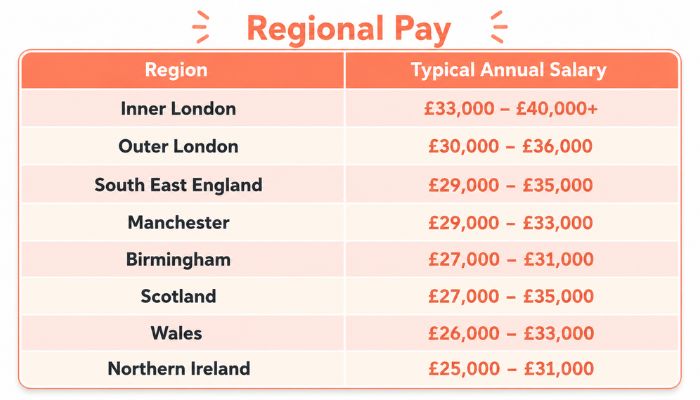
Moreover, cities with a higher cost of living tend to attract bigger salaries across the board. On the other hand, those extra pounds do not always go as far once you factor in rent, transport, and food costs in cities like London.
So if you are weighing up a move for higher pay, do the full maths. A £33,000 salary in Manchester can feel more comfortable day-to-day than a £38,000 salary in central London.
How Much Does a Pharmacy Technician Earn Outside the NHS?
The NHS is not the only game in town. Plenty of pharmacy technicians build great careers in the private sector. The pay for a pharmacy tech in private settings can vary wildly, which is both a risk and an opportunity.
Community pharmacies like Boots, Lloyds Pharmacy and independent chains employ large numbers of technicians. Furthermore, private hospitals, pharmaceutical companies, and specialist clinics also hire regularly.
The salary for a pharmacy tech in a pharmaceutical company can be particularly strong, especially in roles that support clinical trials or medicines supply chains. Moreover, these companies often offer annual bonuses and private healthcare on top of the base salary.
Locum and agency work deserve a mention here too. The hourly rate is higher, often reaching £20 or more per hour. However, you give up the NHS pension, holiday pay and sick pay. As a result, many experienced technicians use locum work to supplement a part-time NHS contract rather than replace it entirely.
What Extras Come on Top of Your Basic Wage?
Here is something that often gets missed when people compare salaries on a basic headline figure. The full package matters just as much as the number on paper.
If you work in the NHS, your total compensation includes far more than your annual salary. To begin with, let’s look at what that actually means in practice.
NHS Benefits Worth Knowing About:
- Pension: The NHS pension scheme is a strong retirement benefit in the UK. You contribute 6.5% of your salary, and your employer contributes significantly more on top.
- Annual Leave: You start with at least 27 days of leave per year plus bank holidays. After five years, that rises to 29 days. After ten years, it reaches 33 days.
- Unsocial Hours Pay: Night shifts, weekends, and bank holiday work attract enhanced pay rates on top of your standard hourly rate.
- NHS Discounts: Staff discounts cover everything from gym memberships to high street shops and travel.
- Sick Pay: NHS sick pay is more generous than statutory sick pay, particularly for long-serving staff.
Furthermore, many NHS trusts offer flexible working arrangements, study leave for qualifications, and funded CPD opportunities. Because of this, your career development does not have to come out of your own pocket.
On the other hand, private sector roles sometimes compensate with perks of their own. Private healthcare plans, performance bonuses and higher hourly rates can make private work attractive. However, the pension and job security rarely match what the NHS offers.
What Simple Steps Help You Earn More Faster?
Let’s get practical. If you want to grow your pharmaceutical tech pay without waiting years for it to happen naturally, here are the steps that actually work.
Step 1: Register and Qualify as Quickly as Possible
Every month you spend as an unregistered trainee is a month on reduced pay. Push through your training, complete your portfolio and get registered with the GPhC. After that, your earnings jump immediately to the qualified band rate.
Step 2: Train as an Accuracy-Checking Technician
This single qualification makes you significantly more valuable. Accuracy checking technicians take on checking responsibilities that pharmacists traditionally held. Moreover, many employers place ACTs on Band 5 or offer a pay uplift. It is one of the fastest routes to a higher wage.
Step 3: Volunteer for Unsocial Hours Shifts
A few weekend or evening shifts each month add meaningfully to your annual income. Furthermore, it also demonstrates commitment which strengthens your case when applying for higher band posts.
Step 4: Build a Specialist Skill Set
Oncology pharmacy support, aseptic services, medicines reconciliation and clinical trials assistance all attract higher band placements. On top of that, they make your CV stand out when Band 5 or Band 6 posts come up.
Step 5: Compare the Full Package, Not Just the Salary
When weighing up job offers, always compare pension contributions, holiday allowance, sick pay and development opportunities alongside the headline wage. Because of this, an NHS Band 5 role at £34,000 often beats a private role at £37,000 when you add up the full value.
Final Thoughts
So there you have it. A simple, honest look at pharmacy technician pay in the UK from a beginner’s point of view. To begin with, the starting wages are modest but fair for a skilled registered healthcare role. Furthermore, the progression is real and structured, particularly within the NHS.
How much does a pharmacy technician earn by the time they reach a senior specialist role? Potentially £46,000 or more, with unsociable hours enhancements and London supplements on top of that. That is a genuinely solid income for a career you can build without a university degree.
Finally, if you are just starting out, do not fixate only on the entry salary. Look at the full journey. The pay rate of pharmacy technician roles has risen steadily, benefits are strong, and the job itself is one of the most important in healthcare. That combination makes it well worth considering.
Frequently Asked Questions (FAQs)
1. How much is a pharmacy technician paid in the UK?
- The average UK salary ranges from £27,000 to £38,000 annually.
2. What jobs pay 500 pounds an hour?
- Consultant surgeons, commercial pilots and elite corporate lawyers earn that.
3. How much do Boots pay pharmacy technicians?
- Boots pays pharmacy technicians around £20,400 to £29,500 annually.
4. Do I need qualifications to be a pharmacy technician?
- Yes, you need a recognised NVQ Level 3 qualification.
5. How long does it take to become a pharmacy technician in the UK?
- It typically takes two years of work-based concurrent training.
6. What is the fastest way to become a pharmacy technician?
- Complete an accelerated, full-time NVQ Level 3 apprenticeship program.