What is the difference between a hazard and a risk? A hazard is anything with the potential to cause harm. A risk is the chance that harm could happen. Risk also considers how serious the harm could be. Therefore, likelihood and severity help show the level of risk. A hazard can exist even when nobody faces it. However, exposure to a hazard can increase the risk of harm.
Understanding hazards and risks helps create safer workplaces. In 2025/26, 126 workers died in work-related accidents in Great Britain. This shows why workers need to understand hazards and risks clearly. Safety controls can reduce risks and protect people from harm. Therefore, knowing the difference helps workers make safer choices.
What is a Hazard and What is a Risk?
A hazard is something that can cause damage, such as injury or ill health. It can come from equipment, substances, activities or workplace conditions. Examples include electricity, chemicals, machinery, dust and wet floors. A hazard can cause harm even when no one is exposed to it.
A risk shows how likely a hazard is to cause harm. It considers how likely harm is and how serious the result could be. Exposure and existing safety controls can also affect risk levels. For example, electricity is a hazard, while electric shock is a possible risk.
What are the Main Types of Workplace Hazards?
Workplace hazards can take many different forms. Some hazards are easy to spot, while others stay hidden. These hazards can affect workers in different ways. We can group them into five main types. Another way to classify hazards is as acute or chronic.
- Physical: Noise, heat, falls or moving machinery.
- Biological: Bacteria, viruses or other harmful organisms.
- Chemical: Cleaning products, fumes or toxic substances.
- Ergonomic: Poor seating, lifting or badly designed workstations.
- Psychosocial: Stress, bullying or excessive work pressure.
- Acute and chronic: Acute hazards include spillages and uncovered manholes. Chronic hazards often develop from poor furniture or workstation design.
How Do Hazards and Risks Work Together?
Hazards and risks are closely connected at work. Hazards can create danger in the workplace. For example, stairs can cause someone to fall. A busy staircase has more chances of someone getting hurt. An unused staircase has fewer chances of harm.
The same danger can have different risk levels. Handrails can help stop people from falling. Non-slip steps can make stairs safer too. These simple steps lower the chance of getting hurt. The stairs still remain, but the risk becomes lower. In this way, simple safety steps can keep people safe.
What is the Difference Between a Hazard and a Risk in the UK?
A hazard can hurt someone, while risk shows how likely that harm is. For example, electricity is a hazard, while an electric shock is a risk.
|
Hazard |
Risk |
|
Something that can cause harm |
Chance of harm happening |
|
Exists as a potential danger |
Depends on exposure |
|
Can involve objects or activities |
Considers likelihood and severity |
|
Focuses on the source of harm |
Focuses on possible outcomes |
|
Can remain after controls |
Controls can reduce risk |
What are Some Common Hazard and Risk Examples?
Common hazards appear in workplaces and everyday activities. Electricity can cause electric shock, while a wet floor can cause slips and falls. A heavy box can cause back or muscle injuries. Petrol can lead to fire or explosion. A shark can cause a bite, while a forklift can cause a collision.
Other examples include raw or undercooked eggs, which can cause salmonella infection. Snow or ice can also increase the chance of a vehicle crash. These examples clearly show the difference between the source of harm and the possible harmful outcome. The hazard identifies the source, while the risk describes what could happen.
How Do Workplace Hazards Increase Risk?
Workplace hazards can create different risk levels in different situations. Frequent exposure or longer exposure can increase risk. Working conditions, worker skills, equipment condition and existing controls also affect risk. Employers should consider who could face harm and how.
For example, chemical risk can increase with high concentration and poor ventilation. Longer exposure also increases the chance of harm. Machinery risk can rise with high speed, missing guards, poor training or weak maintenance. The possible harm also affects its severity.
How Does a Risk Assessment Identify Hazards?
A risk assessment helps workers find hazards before they cause harm. It checks tasks, tools, equipment and work areas. Workers also consider who could suffer harm and how. The assessment then looks at risks and suitable controls.
Workers record the findings and put controls into practice. They also review the assessment when conditions change. This process helps workers spot dangers and understand their possible effects. It also helps employers choose suitable controls to reduce risks.
How Can You Control Workplace Risks?
Workplace risks need suitable controls to prevent harm. Removing the hazard completely is the safest choice. If that is not possible, employers can use safer alternatives or physical controls. Work rules and PPE can provide extra protection.
- Elimination: Remove the dangerous task or hazard completely.
- Substitution: Replace a hazardous substance with a safer option.
- Engineering controls: Add machine guards or physical protection.
- Administrative controls: Improve work procedures, training or safety rules.
- PPE: Provide suitable gloves, helmets, masks or other protective equipment.
Can a Hazard Stay While Risk Falls?
Some hazards cannot easily disappear from a workplace. Stairs are a simple example because removing them creates another problem. Instead, handrails, non-slip surfaces, good lighting and clear walkways can reduce the risk. These controls help lower the chance of slips and falls.
The stairs are still a hazard, but the risk is much lower now. This leftover risk is called residual risk. Workers should check that safety controls work properly. They should also check them again when things change. So, the hazard can stay, but the risk can become much lower.
What are the Main UK Workplace Risk Types?
Workplace risks can fall into eight main categories. Dynamic risks change with conditions, while static risks stay mostly fixed. Fundamental risks affect wider groups or organisations. Particular risks affect specific people, tasks or situations. These categories help show how risks differ across workplaces.
Subjective risks depend on personal views or feelings. Objective risks rely on facts and measurable evidence. Financial risks can cause money loss or extra costs. Non-financial risks can affect safety, people, reputation or work. Classifying risks helps organisations understand different situations. It also helps them choose suitable ways to manage each risk.
What Do Chemical, Machinery and Stress Risks Look Like?
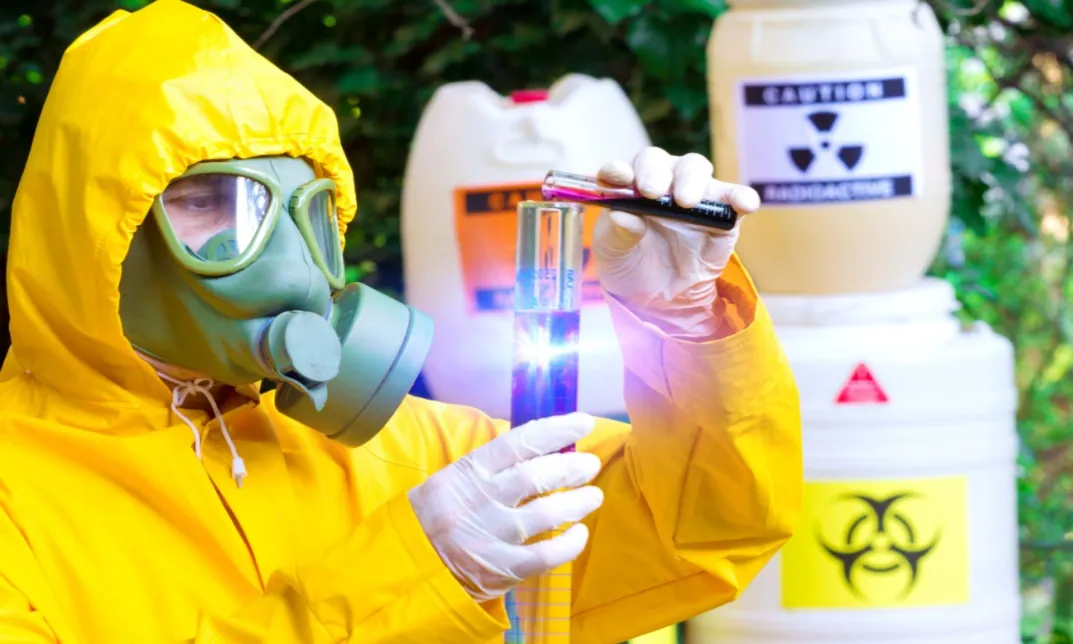
Workplace risks can come from many different sources. Some come from chemicals, machines or work pressure. These hazards can cause different types of harm. Simple examples can help explain the difference clearly.
Chemical Risks
Chemicals like bleach and ammonia can cause harm. Breathing them can cause health problems. They can also harm the skin or cause illness if swallowed. Good airflow, safe storage and PPE can help reduce these risks.
Machinery Risks
Machines like conveyor belts and presses can cause injuries. Workers could get trapped, crushed or hit. Machine guards, proper training and regular checks can help prevent these injuries.
Workplace Stress Risks
Heavy workloads, tight deadlines and workplace problems can cause stress. This can lead to tiredness, worry and poor wellbeing. Good planning, clear communication and support can help workers manage stress.
The key point is simple. The hazard is the source of harm, while the risk is what could happen.
How Can Workers Reduce Hazard and Risk?
Workers can reduce risks by finding hazards early. They should think about who could get hurt and how. They should remove hazards where possible and use suitable safety controls. Training, good equipment and clean work areas also help.
Workers should record key findings and talk about risks with others. They should check controls when workplace conditions change. Regular checks help keep workers safe. A simple process makes risk management easier: Identify → Assess → Control → Review.
Final Thoughts on What is the Difference Between a Hazard and a Risk
What is the difference between a hazard and a risk? A hazard points to something that could cause harm. Risk shows how likely that harm is to happen. Finding hazards early helps workers spot danger. They can then take simple steps to stay safe. Regular checks can also find new dangers. This can make the workplace safer for all.
Want to improve your COSHH knowledge and workplace safety skills? Explore our COSHH Training Course to learn how to safely manage hazardous substances at work.
FAQs
1. What is the difference between hazard and risk with an example?
- A hazard can cause harm, while a risk is the chance of harm happening. For example, electricity is a hazard, while electric shock is a risk.
2. What is an example of a hazard and its risk?
- A wet floor is a hazard, while slipping and falling is the related risk. The hazard is the source, while the risk describes possible harm.
3. How do you identify hazards and risks?
- Look at tasks, equipment, substances and workplace conditions. Then consider who could suffer harm and how likely it is.
4. What is an example of a risk?
- An electric shock is an example of a risk. It can happen when someone comes into contact with electricity.
5. What is the key difference between hazard analysis and risk analysis?
- Hazard analysis looks for things that can cause harm. Risk analysis looks at how likely harm is and how serious it could be.
6. Which statement best defines a hazard?
- A hazard is a substance that has the possibility of causing harm. It can include objects, substances, activities or workplace conditions.