
A kitchen sink drain problem happens when water cannot flow away properly. This usually occurs because grease, food scraps, soap or debris build up inside the pipe. So, how to unblock a kitchen sink drain? You can often clear it with hot water, baking soda and vinegar or a plunger.
When a blockage forms, water drains slowly or stays in the sink. Bad smells may also come from the drain. This is a common household problem and usually does not need professional help. With the right method, you can remove most small clogs quickly and get your sink draining normally again.
Let’s look at the simple steps to clear a blocked kitchen sink drain.
What Causes Your Kitchen Sink to Overflow?
A kitchen sink usually overflows when something blocks the drain pipe. Grease, cooking oil, food scraps and soap residue often build up over time. As the blockage grows, water cannot move through the pipe properly. Instead, it backs up and rises into the sink. Small items like rice, coffee grounds and vegetable peels can also create stubborn clogs.
In some cases, a blocked waste disposal unit causes the problem. Damaged or poorly installed pipes may also slow drainage. The longer you ignore the issue, the worse it can become. Finding the cause early helps prevent messy overflows and costly plumbing repairs.
How to Clear a Kitchen Sink Blockage Using Basic Tools?
You can fix most clogs using things from your cupboard. First, find a large bucket to catch dirty water. You should also wear rubber gloves to stay clean. Similarly, a long wire helps reach deep bits. Actually, most people already have these items in their homes. Next, check if you have any strong dish soap nearby.
Soap helps grease slide through the pipes much faster. Moreover, a flexible brush can scrub the inside walls. Using these tools makes the process very straightforward for you. Consequently, you will save money on professional plumbing fees.
Why is Cold Grease a Danger to Your Pipes?
Pouring warm fat down the sink is a big mistake. This liquid looks harmless when it is still very hot. However, the fat turns into a solid block quickly. It sticks to the cold walls of your plumbing pipes. Then, small food bits get trapped in the sticky mess.
This creates a hard wall that stops all water flow. Specifically, bacon grease and butter cause the most trouble here. You should always wipe your pans with a paper towel. This keeps the oil out of your drainage system forever. Consequently, your pipes will stay clear and move water fast.
Which Household Liquids Can Break Down Heavy Clogs?
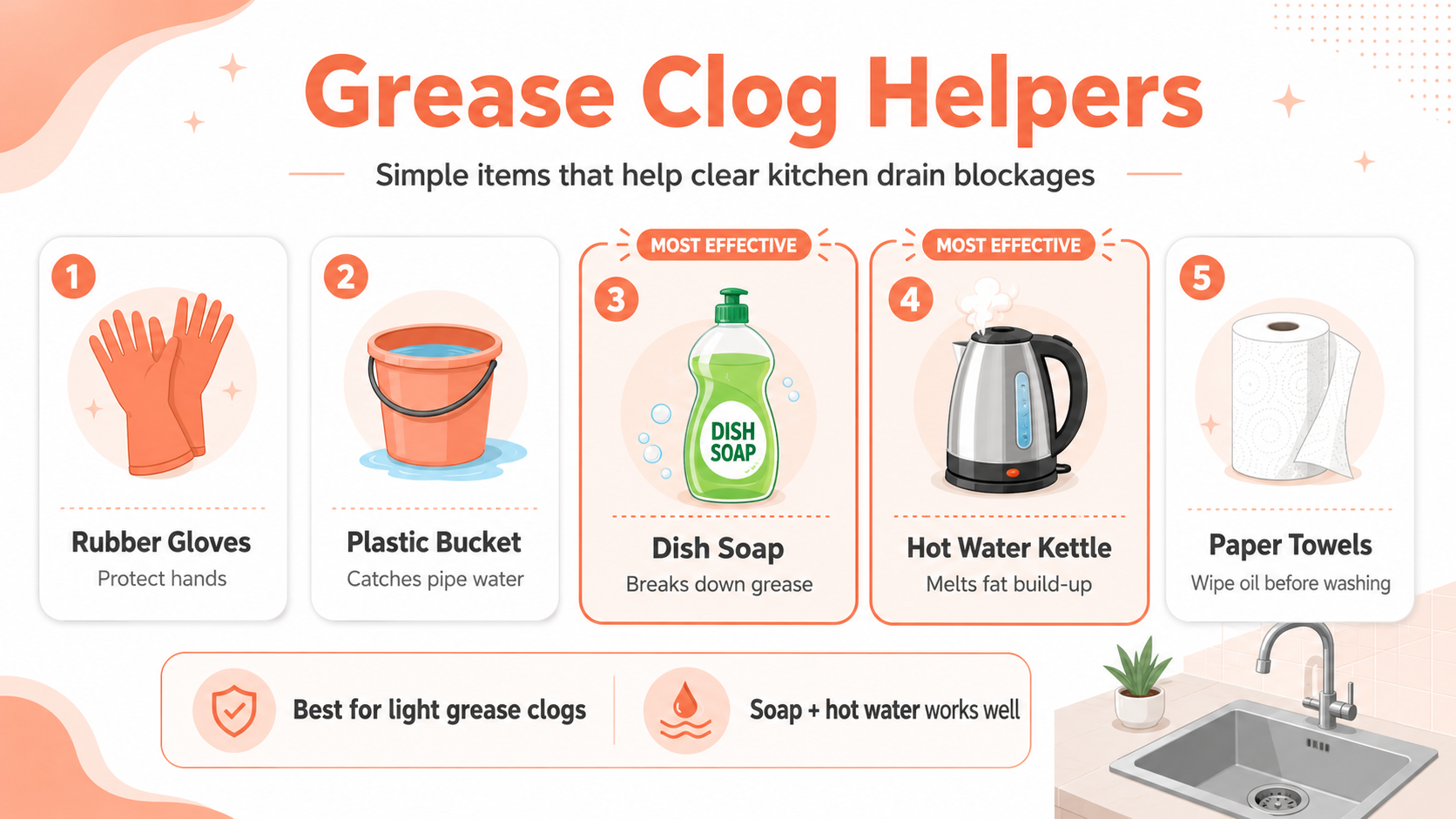
Strong dish soap helps remove grease from blocked pipes. Pour plenty down the drain and leave it for around 10 minutes. After that, rinse with hot water to melt grease and fat deposits. Salt and baking soda can also help naturally clean the inside of pipes. This easy method works best for light grease blockages.
- Rubber gloves keep your hands safe from kitchen germs.
- Plastic buckets catch every drop of water from the pipes.
- Dish soap helps to dissolve thick layers of animal fat.
- Large kettles provide enough hot water to melt grease.
- Paper towels remove oil from pans before you wash them.
How Can a Wet Vacuum Help Your Drainage System?
A wet and dry vacuum can pull out stuck objects. This machine is very powerful and works quite fast today. First, remove the paper filter from inside the vacuum tank. Then, place the hose over the sink drain hole firmly. You must create a tight seal for the best suction.
After that, turn the machine on to its highest power level. The vacuum will pull the blockage up into the hose. Moreover, this method is great for toys or solid food. You will hear a sound when the clog moves. Consequently, your sink will be clear without using any chemicals.
When Should You Take Apart the Bottle Trap?
The bottle trap is the white plastic part under the sink. This part catches heavy items like rings or large food. First, place your bucket directly under the plastic bottle trap. Then, unscrew the bottom section by turning it slowly today. You will see dirty water and gunk fall into the bucket.
At that point, use an old brush to clean the inside area. This is where most smelly clogs hide and grow larger. Specifically, check the small rubber rings for any signs of damage. Finally, screw the trap back on very firmly by hand. This ensures that no water leaks onto your kitchen floor.
Why Do Starch and Pasta Cause Major Sink Issues?
Starch and pasta may look harmless, but they can cause serious drain problems. Many kitchen sink blockages start with leftover pasta, rice or starchy water. These foods change texture inside pipes and create stubborn clogs. Over time, they can slow drainage and lead to messy sink backups.
- Cooked pasta can swell inside the drain as it takes in more water.
- Starch forms a sticky paste that sticks to pipe walls.
- Rice and noodles can trap other food particles easily.
- Starchy buildup catches grease and creates larger blockages.
- Regular disposal of pasta down the sink increases the risk of recurring clogs.
How Much Do Local UK Plumbers Charge for Visits?
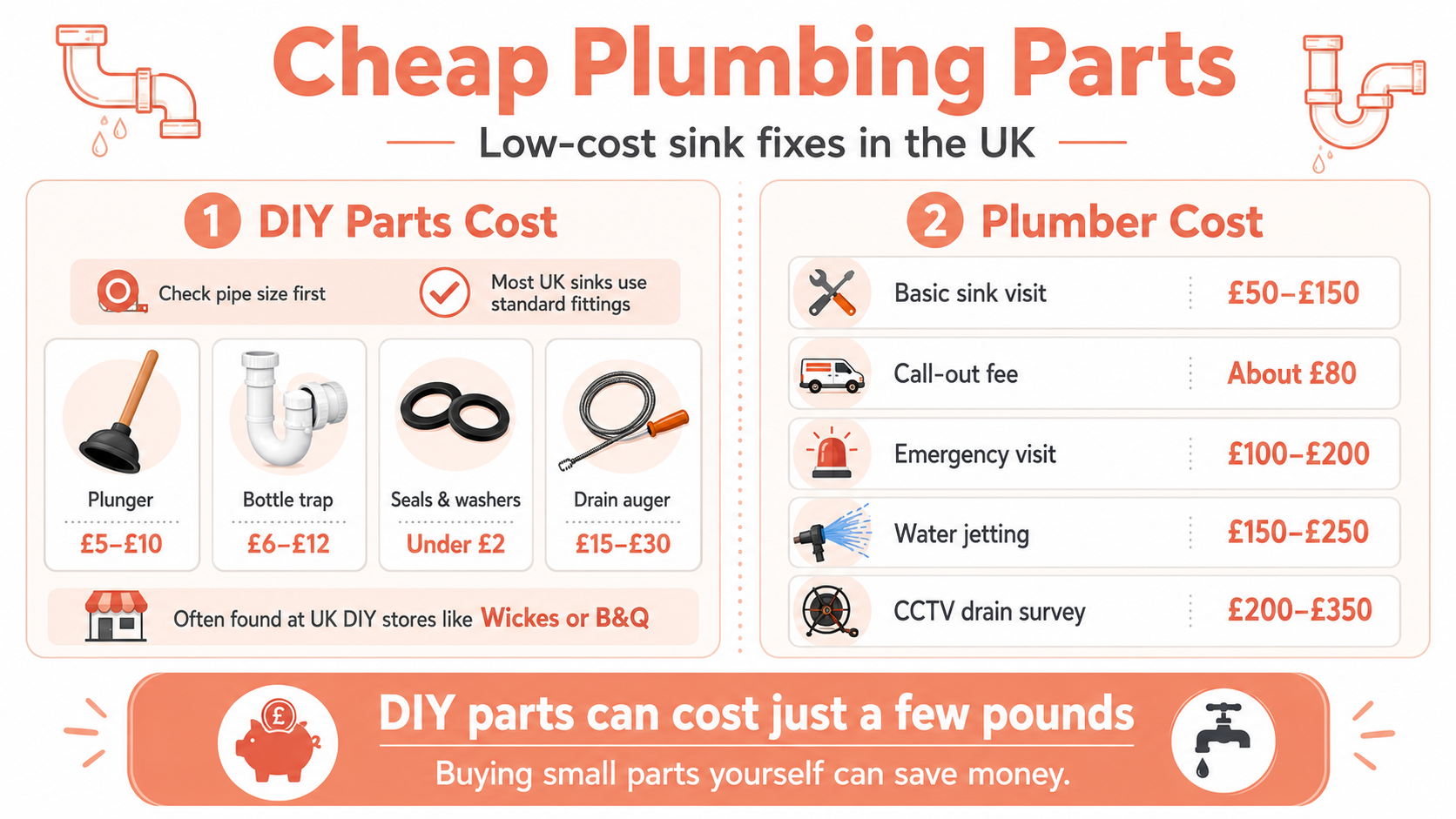
Sometimes, a professional plumber is the only way to fix things. Most UK plumbers charge a standard fee for their time. Usually, a simple unblocking job costs between £50 and £150. On average, you will pay about £80 for a visit.
First, the plumber will find the exact location of the clog. Then, they use special machines to clear the waste. These experts have years of training for these specific jobs. Moreover, they can give you advice to prevent future trouble. Consequently, paying for a pro is a very smart investment. You will have peace of mind and a working sink.
What is the Price for a High-Pressure Water Jet?
Water jetting is a powerful way to clean old pipes. This machine shoots water at a very high speed today. Typically, this professional service costs between £150 and £250 in Britain. First, the expert connects a hose to a water tank. Then, they feed the nozzle into your blocked drainage system.
The water blasts away every bit of grease and dirt. Actually, it can even remove tree roots from the pipes. This method is much safer than using toxic liquid chemicals. Next, the plumber will check the pipes for any cracks. Consequently, your drainage system will be clean for many years.
Where Can You Find Cheap Replacement Plumbing Parts?
Plumbing parts for kitchen sinks are cheap and easy to find in UK stores like Wickes or B&Q. Bottle traps cost around £5 to £10. While seals and washers are usually under £2. Always check the correct pipe size before buying. Most UK sinks use standard fittings. Buying parts yourself can save money and help you fix small leaks for just a few pounds.
- Standard plungers cost around £5 to £10.
- Replacement bottle trap usually costs between £6 and £12.
- Drain auger or snake tool costs about £15 to £30.
- Basic plumber visit for sink issues ranges from £50 to £150.
- The average call-out fee comes close to £80.
- An emergency plumbing visit may cost £100 to £200.
- Water jetting service often costs £150 to £250.
- CCTV drain survey price goes up to £200 to £350.
How to Keep Your Kitchen Sink Clear Every Day?
Good habits keep your kitchen running smoothly for a long time. First, never pour cooking oil down the sink drain hole. Instead, put the old fat into a small jar. Then, throw the jar into your household waste bin today.
Lastly, perform regular plumbing maintenance to stop the grease build-up. Pour a kettle of hot water down once a week. Moreover, use a little bit of baking soda monthly. This keeps the pipes smelling fresh and very clean, too. Consequently, you will rarely face a blocked sink ever again.
Final Thoughts
So, most kitchen sink blockages are not hard to fix on your own. Hot water, vinegar, baking soda or a plunger can often clear the drain. Grease and leftover food are the main causes. Keeping the drain clean helps avoid repeat problems. If the sink still drains poorly, the clog is likely further down the pipe. In that case, professional help is the best option.
FAQs
1. What is the best thing to unclog a kitchen sink drain?
- The best option is a plunger or a drain snake because they remove the blockage quickly.
2. What will dissolve a blocked drain?
- Baking soda and vinegar help dissolve light grease and food residue inside the drain.
3. Does fairy liquid unblock drains?
- It can help loosen grease, but it usually does not fully unblock a drain.
4. Does boiling water unblock a sink?
- Yes, boiling water can melt grease and clear small blockages.
5. Why shouldn’t you pour boiling water down a drain?
- It can damage plastic pipes and may not fix hard blockages.
6. What do I do if I can’t clear the clog?
- Call a plumber because the blockage may be deep or serious.
7. Why pour salt down the drain every night?
- Salt helps reduce grease buildup and keeps the drain cleaner.
8. What do plumbers say about baking soda and vinegar?
- They say it works for light clogs but not for strong blockages.