Should you buy a sports first aid kit for your team? In most cases, you must get one because sports activities bring sudden injuries, and you need to act fast.
Sports activities cause unique risks that normal first aid kits cannot handle. At the same time, games move quickly, and players need immediate care. So your body needs specific tools like ice packs and strong tape for quick recovery. As a result, standard bandages are not enough. Your team also needs to follow strict UK safety rules. This can affect how you prepare for emergencies. It can also raise the risk of long-term injury if you use the wrong tools. Some sports rules even require specific medical items. This may cause problems for your club if you do not prepare properly.
Now let’s dive into this blog, which explains what you must put in your kit, how it differs from a regular kit, and what UK safety guidance says in detail.
What Is a Sports First Aid Kit?
Well, this helps you treat injuries during physical education lessons, sports matches, and gym sessions. It holds special items that take care of bumps, cuts, and outdoor accidents. Because of this, coaches or teachers can give quick care before a doctor or ambulance arrives.
Every single team needs a kit that matches their sport and age group. For example rugby players need different items than gymnasts. For this reason, the bag must be easy to carry and quick to open during a fast game.
Inside the kit, you will find items like bandages, ice packs, and clean wipes. Each item does a different job to help an injured player feel better. Compared to a normal home medical box, this kit has more things for muscle twists and sudden impacts.
Also many people check the kit before every game starts. This check makes sure that no items are missing or past their safe date. These simple checks help the team stay safe and ready for any accident.
In simple terms, a sports first aid kit is a portable bag that holds medical tools for fast-moving activities. It helps teachers and coaches protect players, reduce pain and handle emergencies quickly.
Now, you may be curious about:
Why Do Sports Teams Need First Aid?
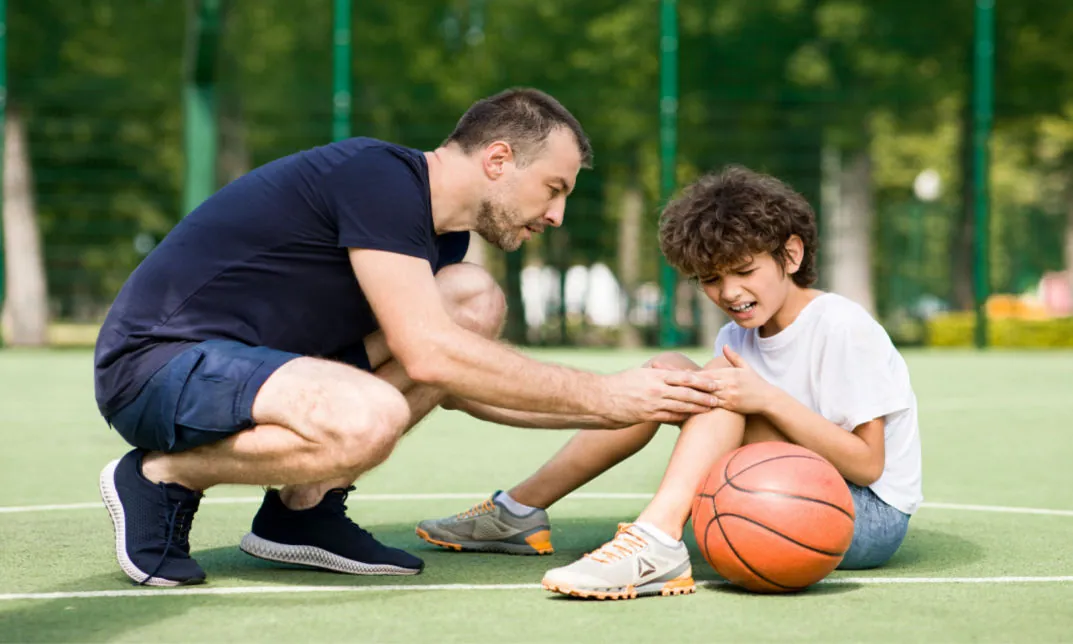
Injuries can happen at any time during sports. Players can get hurt when they run, jump, lift, or fall. They can also get hurt during contact with other players. When these accidents happen, fast action can reduce pain, bleeding, and swelling. It can also stop further harm.
Often, coaches, teachers, gym staff, and volunteers must act first. They need to help before medical professionals arrive. Interestingly, Sport England stats show a big problem. Sports activities cause millions of minor injuries in the UK each year.
Therefore, a ready kit helps teams during home games and away games. It also helps during PE lessons and big tournaments. Having the right tools ensures that minor knocks do not turn into major medical emergencies.
However, a kit alone does not solve the problem. People must also know how to use the tools inside it. Training helps adults spot hidden dangers like concussions. It also gives them the confidence to handle broken bones or sprains.
In the end, good preparation and quick actions work together. They make sure that accidents do not ruin the fun of sports. They also give everyone the safety they need to play their best.
What Should a Sports First Aid Kit Include?
Every sports first aid kit should include core first aid supplies plus extra items for sport-related injuries.
Here are the common things you should carry:
i) Basic First Aid Kit Items List
You should always have a clear first aid kit items list printed out. Use these core items for basic care:
- First aid guidance leaflet
- Sterile dressings
- Assorted plasters
- Low-adherent wound dressings
- Triangular bandage
- Crepe bandage
- Conforming bandage
- Microporous tape
- Antiseptic wipes
- Sterile eye wash pods
- Eye dressing
- Instant cold pack
- Foil blanket
- Disposable nitrile gloves
- CPR face shield
- Scissors
- Safety pins
- Clinical waste bags
- Notepad and pencil
ii) Useful Sports-Specific Extras
In addition to the basics, you need to add specialised tools for physical activities. These extras target muscles and joint issues:
- Cohesive bandage
- Zinc oxide tape
- Elastic adhesive bandage
- Extra cold packs
- Gauze swabs
- Skin closure strips
- Support wraps
- Small towel
- Extra gloves
- Spare waste bags
Where Should You Keep a Sports First Aid Box?
The kit must stay close to the activity area. Leaders cannot waste time running to another building when it’s needed.
Store your sports first aid box in these locations:
- PE department
- Sports hall
- Pitch-side area
- Gym reception
- Workout zones
- Changing rooms
- Outdoor event areas
- Travel bag for away games
Staff and volunteers should know where the kit is before each session starts.
What Should You Add for Different Sports?
Different sports create different injury risks, so the kit may need small changes.
The following are the various sports and the items you’ll need to keep:
Rugby
- Extra dressings
- Extra gloves
- Skin closure strips
- Cold packs
- Cohesive bandages
Hockey and Cricket
- Eye wash pods
- Eye dressings
- Cold packs
- Sterile dressings
- Gloves
Martial Arts
- Cold packs
- Dressings
- Support wraps
- Foil blanket
- Gloves
Trampolining
- Cold packs
- Bandages
- Foil blanket
- Incident record forms
Outdoor Running Events
- Foil blankets
- Blister plasters
- Cold packs
- Gloves
- Extra refill stock
Football
- Cold packs
- Crepe bandages
- Sterile dressings
- Gloves
- Tape
Netball and Basketball
- Cold packs
- Finger supports
- Plasters
- Bandages
- Tape
Gym and Fitness
- Plasters
- Dressings
- Gloves
- CPR face shield
- Foil blanket
The best kit depends on injury patterns, surface type, contact level, and group size.
What Should You Not Put in the Kit?
First thing is you must keep your first aid bag safe and clean. For this reason, you need to leave out several unsuitable items. Do not put loose tablets or unlabelled sprays into your kit. In addition, you should throw away expired sterile items and open creams.
On top of that, you should avoid using dressings, damaged bandages, and broken cold packs. Furthermore, never pack dirty scissors or items with missing packaging. You should not include personal medicine unless you have a clear policy for it. At the same time, leave out any items that staff do not know how to use.
Ultimately, a simple and clean kit works much better during a stressful emergency.
How Do You Handle Common Sports Injuries?
Here is how you can manage some common sports injuries during a game, which include:
Before You Help
First, you must check how bad the injury is. Always call for an emergency ambulance if a player has serious bleeding, breathing problems, or a head injury.
Cuts and Grazes
If the injury is just a small cut or graze, you can treat it quickly. First, put on clean gloves to protect yourself and the player. Next, clean the wound and cover it with a sterile dressing. However, you must seek medical help immediately if the cut is very deep or bleeds heavily.
Sprains and Strains
When a player twists an ankle or pulls a muscle, you need to use the PRICE method straight away.
- Protection: First, protect the injured area from more damage.
- Rest: Next, make sure the player rests and stops moving.
- Ice: Then, put ice on the injury to bring down the swelling.
- Compression: After that, wrap a firm bandage around the area.
- Elevation: Finally, lift the injured limb up high.
Nosebleeds
If a player gets a nosebleed, you can fix it with a few simple steps. First, ask the player to sit upright. Then, tell them to lean their head forward slightly. Finally, pinch the soft part of their nose firmly until the bleeding stops.
Eye Injuries
Be very careful with eye injuries because the eyes are very delicate. First, tell the player that they must not rub their eye. Next, wash the eye gently with a sterile eyewash if you have one. Lastly, take the player to a doctor if they feel a lot of pain or cannot see clearly.
Final Thoughts on Sports First Aid Kit?
This sports first aid kit overview gives a clear and simple view of sports safety. It is a necessary, active plan. It uses quick action, correct tools, regular checks and clear records for players. At the same time, it can help reduce panic, ease injury pain, improve recovery time, and support team confidence. The experience feels organised but still calm and protective.
Overall, this sports first aid kit overview shows that injury care is more than simple recovery. It is a hands-on safety choice that helps the team feel safe, ready, and confident.
For safety, always choose a trained first aider. Also, share any health issues before the game. If there is any serious injury, speak to a doctor before returning to play.
Want to know the real techniques behind injury care for your team? Enrol in our Sports First Aid Course and learn step by step.
FAQs
What should be in a sport first aid kit?
Dressings, cold packs, bandages, tape, and sterile wipes.
Can a first aid kit help with allergies?
Yes, if it contains antihistamines or emergency auto-injectors.
What is basic sports first aid?
Immediate care using PRICE for sprains, cuts, and bumps.
What are 10 items in a first aid kit?
Plasters, dressings, bandages, tape, wipes, gloves, shears, and ice packs.
What are the 12 common sports injuries?
Sprains, strains, fractures, concussions, cuts, and joint dislocations.
What should never be in a first aid kit?
Loose tablets, expired items, unlabelled medicines, and dirty tools.
What is the 3 day rule for allergies?
Wait three days between new foods to identify reactions.